
High in the Indian Himalaya, Ladakh offers travel photographers a rare mix of dramatic alpine scenery, rich Tibetan Buddhist culture and stark, minimalist terrain. The best months to photograph it are May through September, when the roads and high passes are open. I went in winter to scout it, and this is what I found and what I would tell a friend planning the trip.
What will I photograph in Ladakh?
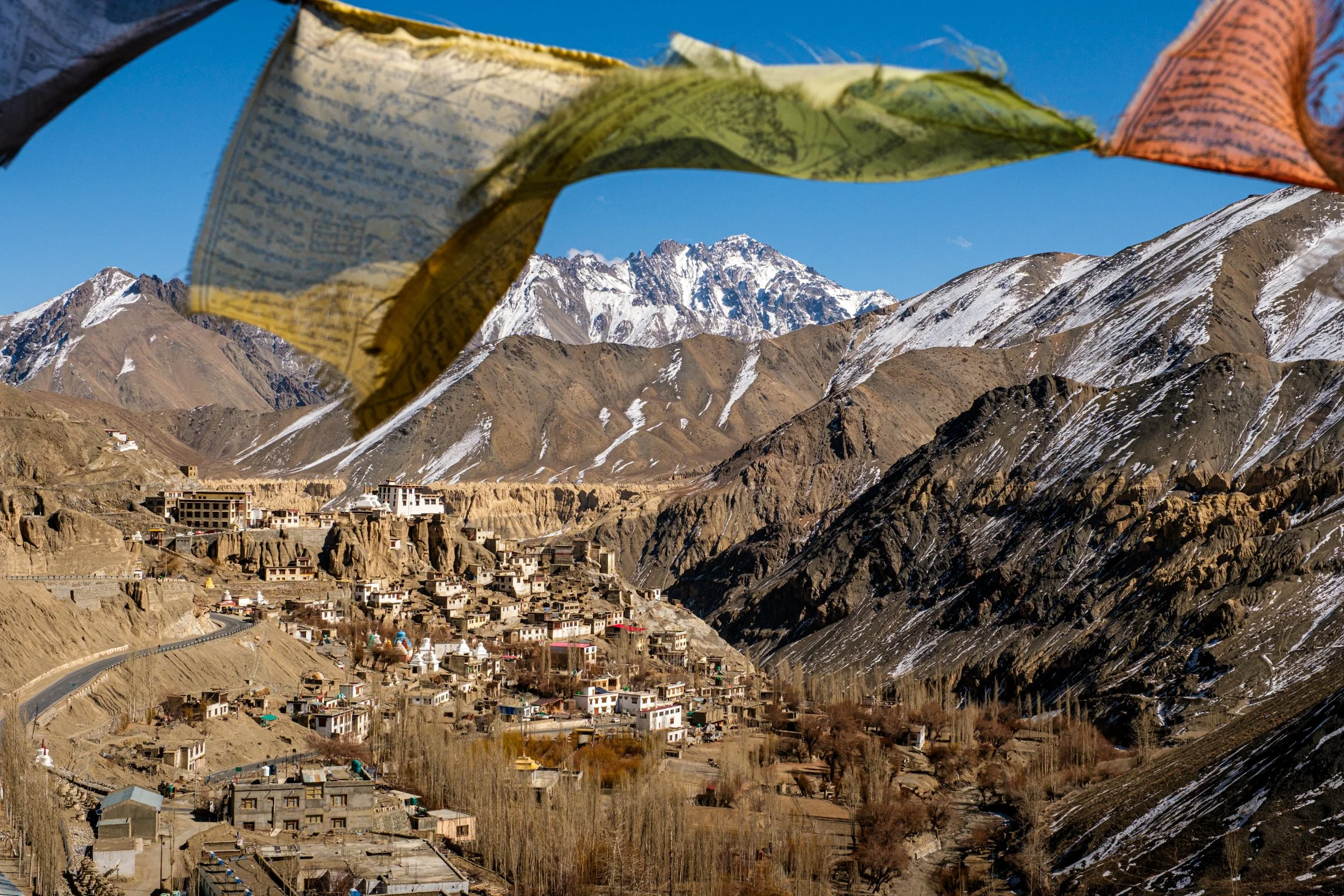
People, monasteries and mountains, and they sit closer together than you would expect.
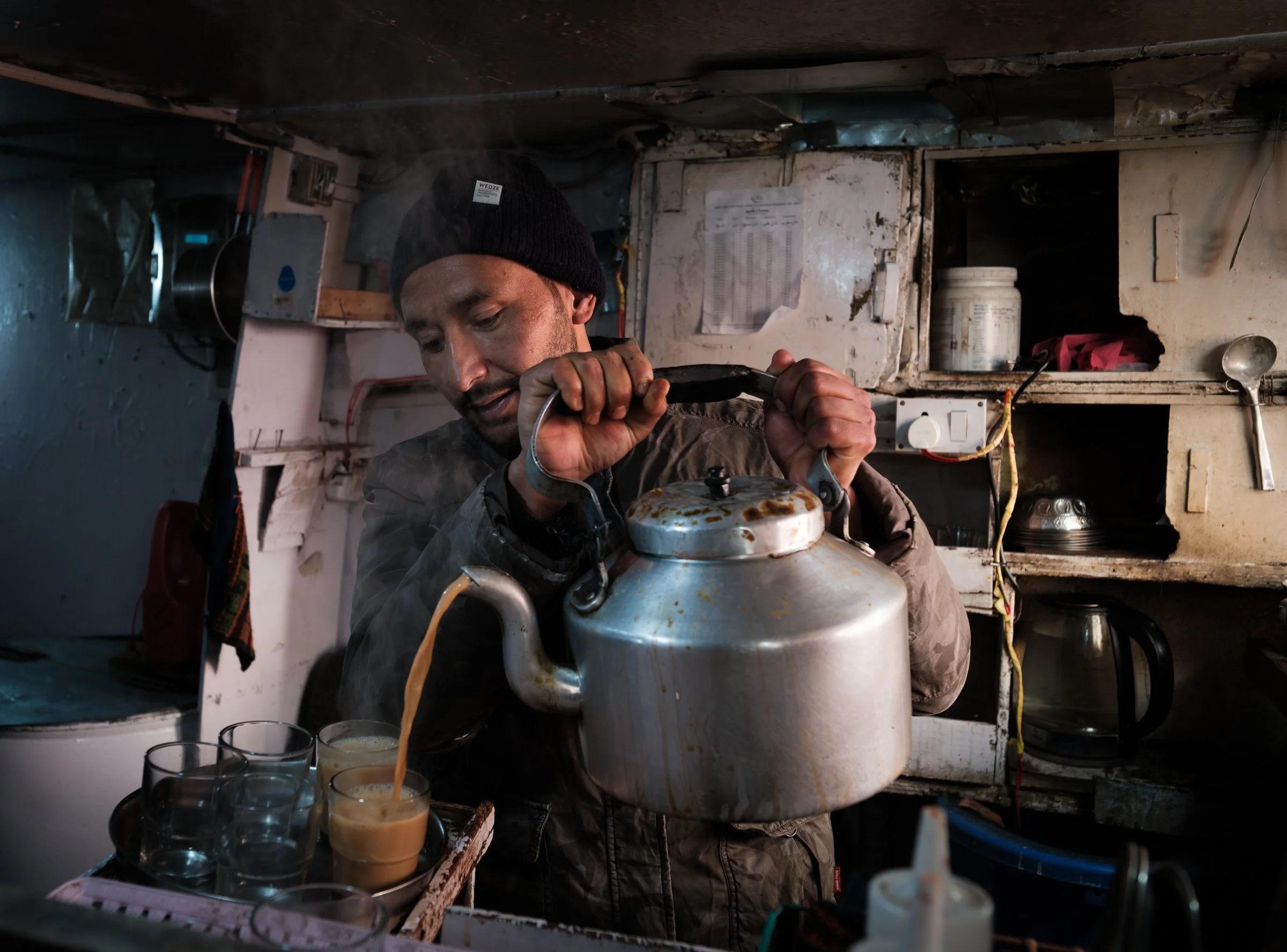
Leh is where most trips start, and it is a good place to start photographing too. I walked the market as the shops were opening, looking for light, colors and textures, and made a few portraits along the way. It is an easy town to wander with a camera, and people have time for you.
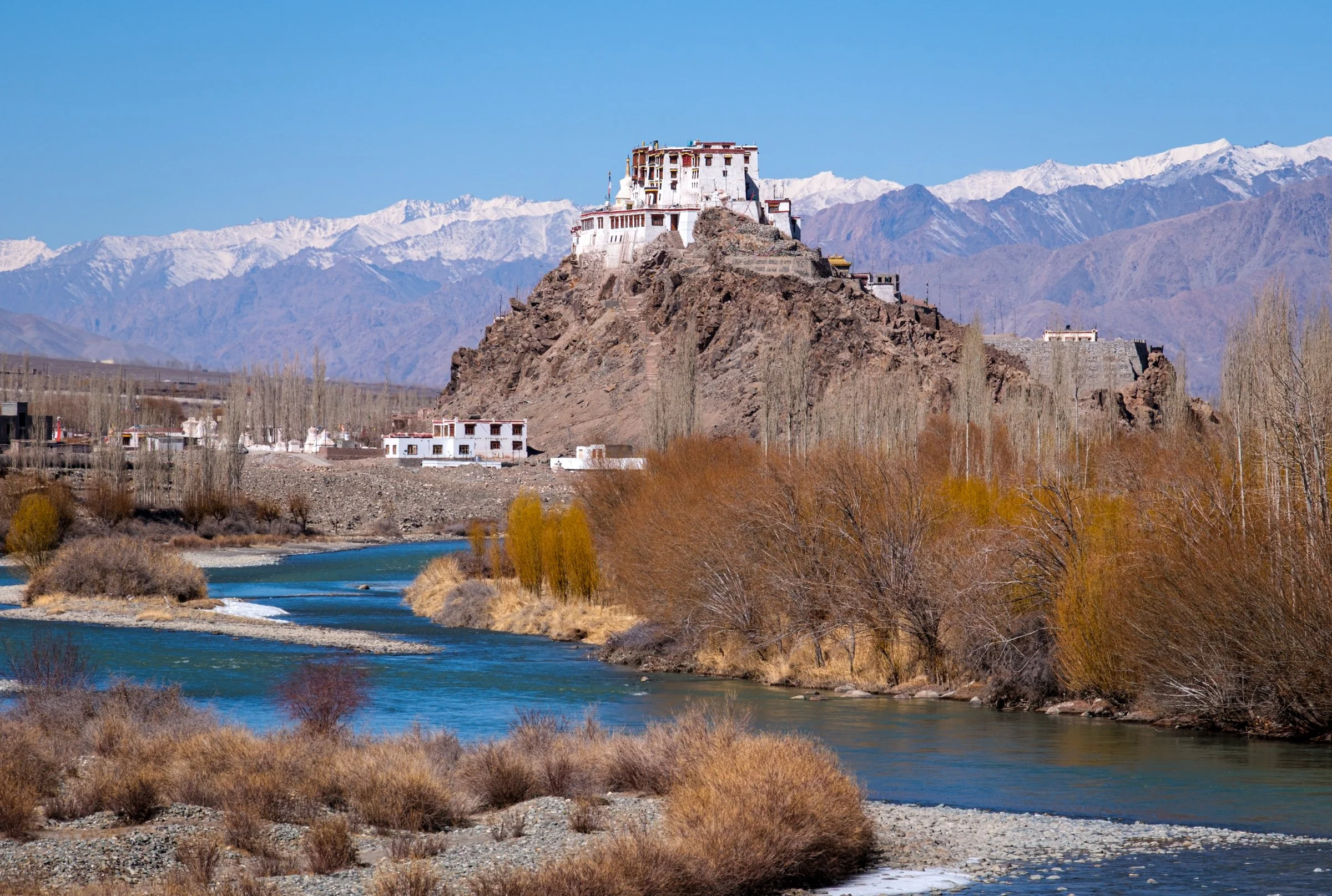
The monasteries are the second subject. They are built on ridges and rock outcrops, so you photograph them from the valley as part of the landscape and then again from inside the walls. At Likir I arrived during a ceremony and photographed the monks. At Lamayuru I spent as much time in the village lanes below the monastery as in the monastery itself, with people and architecture in the same frame.
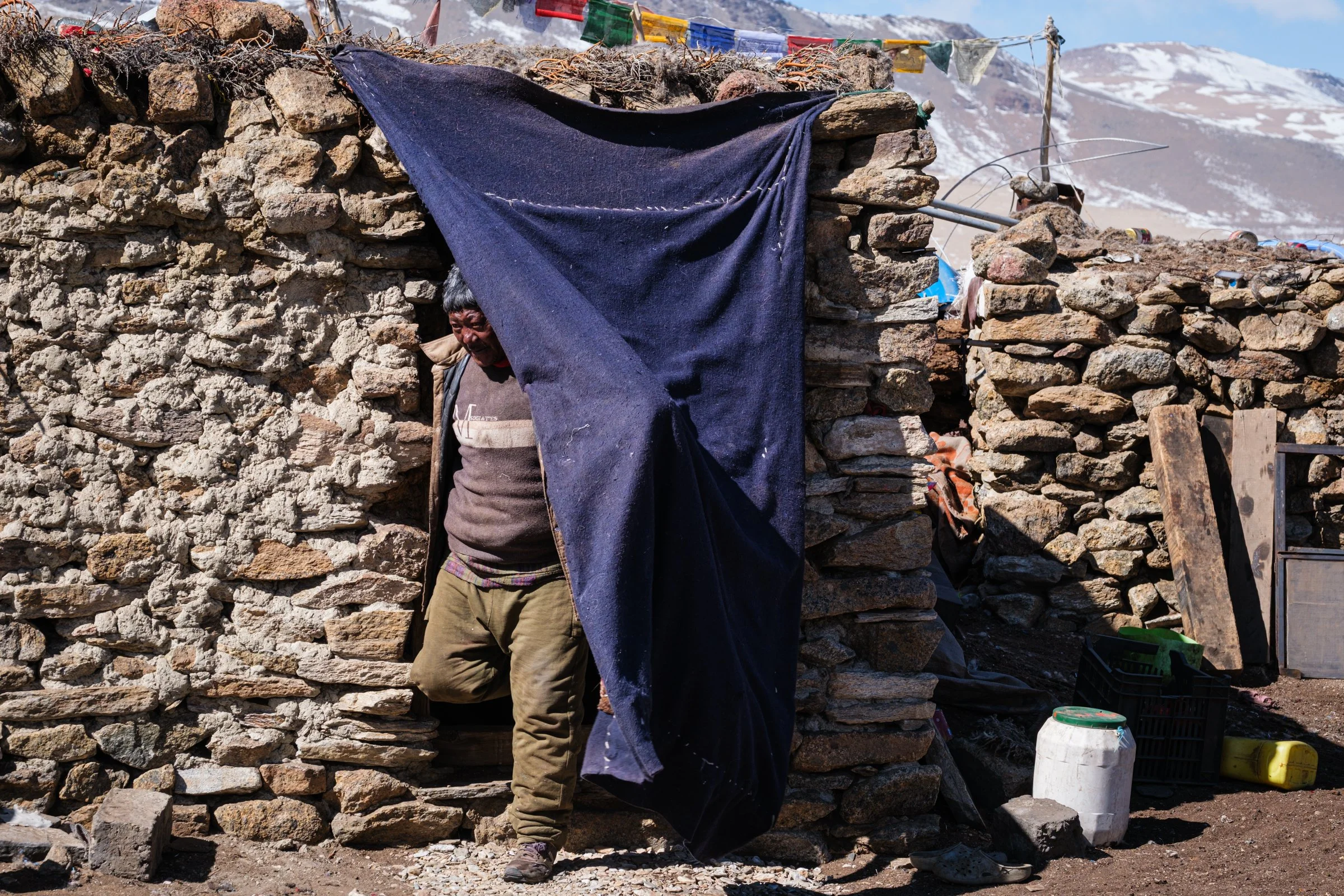
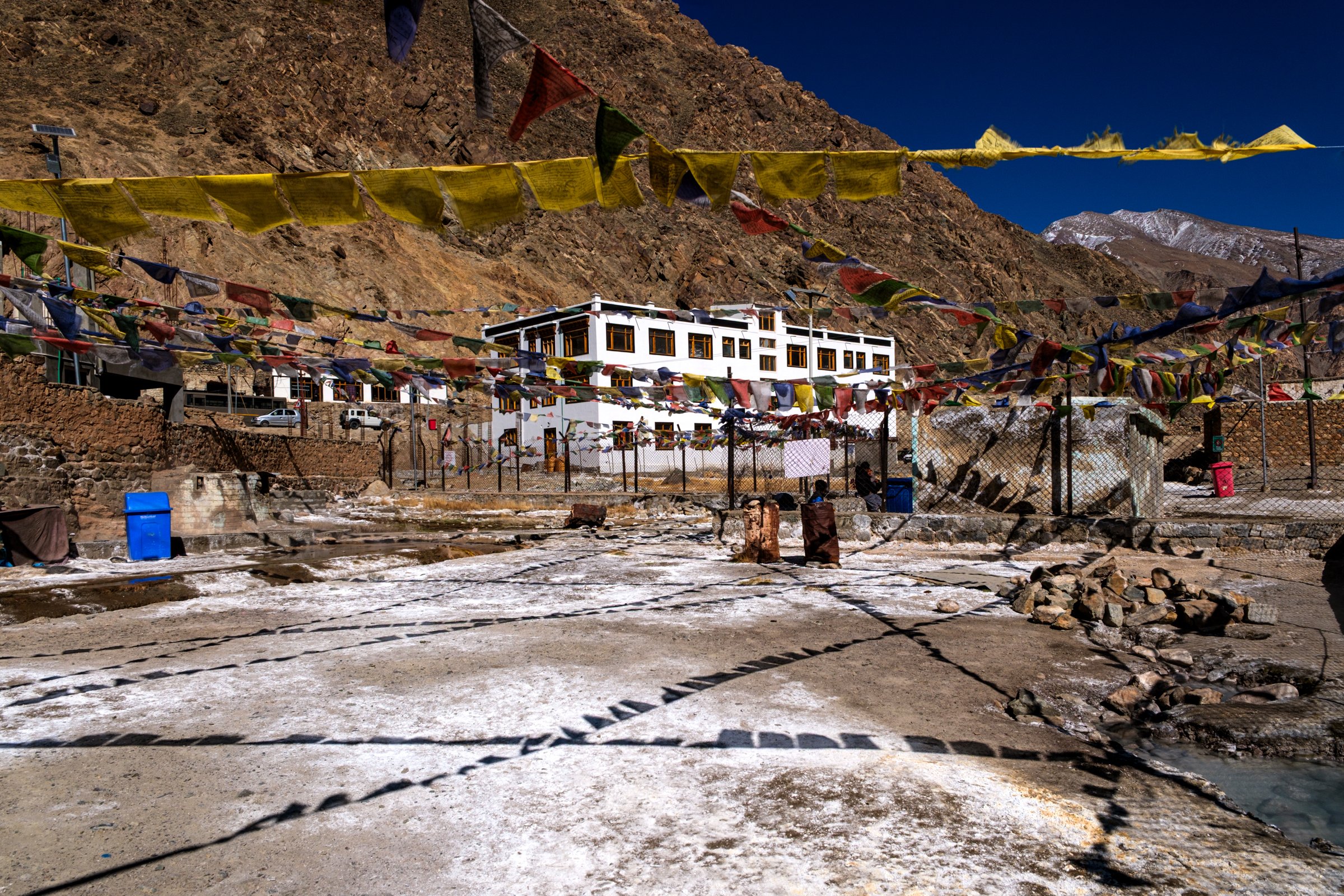
Then there is the land. Ladakh is a high desert: bare mountains, the Indus River running through wide valleys, very little vegetation to soften anything. For a photographer that means shape, line and texture. I spent part of one day photographing only the surface of the mountains as the light moved across them. Farther out I photographed hot springs steaming in freezing air at Chumathang and Puga, and a nomadic winter settlement.
When is the best time to photograph Ladakh?
May through September. Both highways into Ladakh are closed by snow in winter, and the road from Manali usually opens in late May and closes again in October. Those are also the months when the high passes are dependable, which is what lets you reach the valleys and lakes beyond Leh. Flights between Delhi and Leh run all year.
Within that window I like September. The summer visitors have thinned out and the skies are clear, which is why our own Ladakh photo tour runs then.
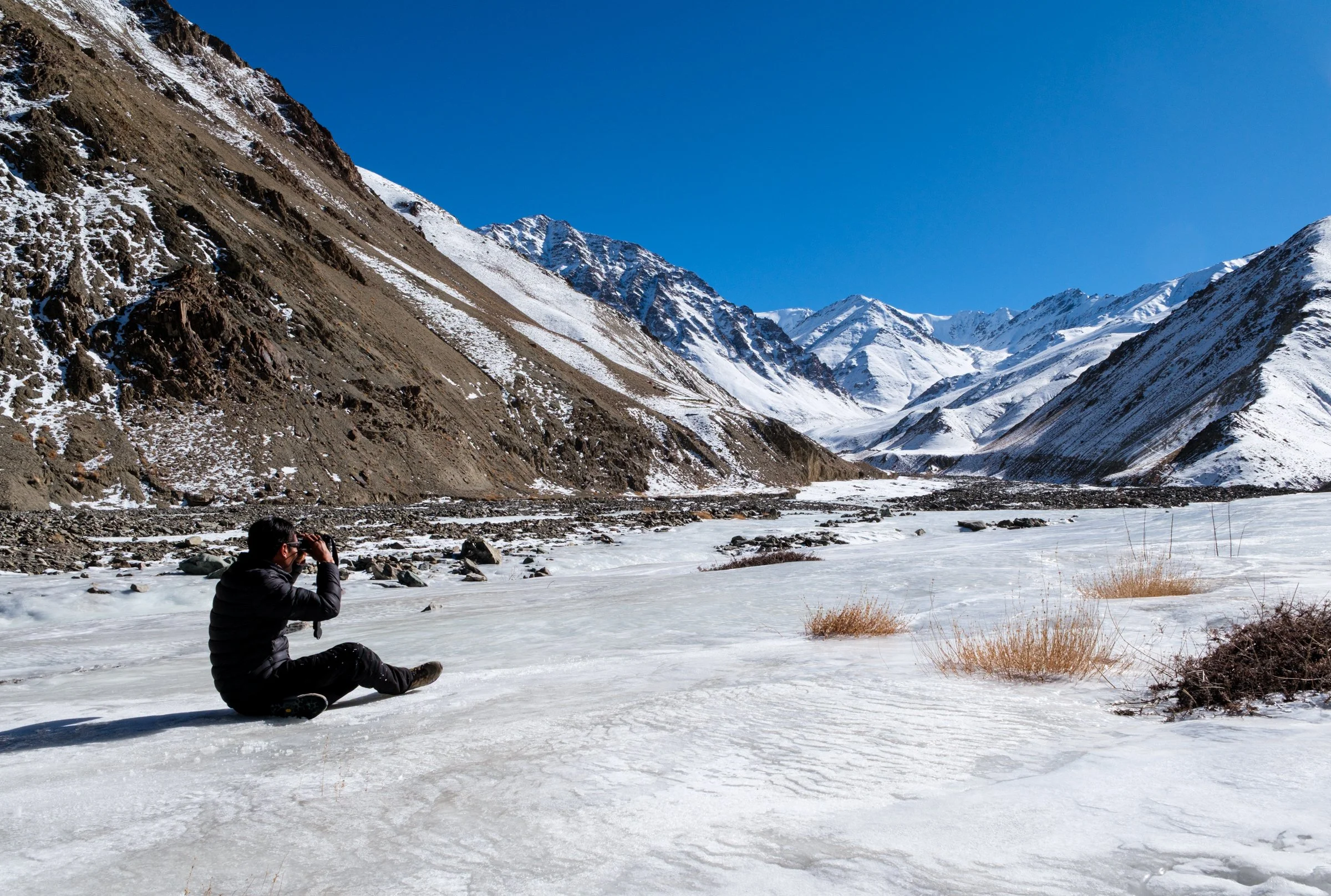
I scouted in winter. Scouting is about more than checking where the viewpoints are. It is about meeting the people, seeing what a place could offer and understanding how it works. Winter showed me a quieter Ladakh: a frozen lake, steam rising off the hot springs, families settled in for the cold months. It is also hard going. Leh can drop to around -15°C (5°F) in January. For a first trip with a camera, go between May and September.
How hard is the altitude in Ladakh?
It depends on you. Leh sits at about 3,500 meters (11,500 feet), and the roads out of town cross passes above 5,000 meters.
This comes up almost every time I talk about Ladakh or Peru. People want to go, and they are worried about the altitude. I understand it, because for years I was the one it happened to. The first time I went to Peru I spent part of the trip sitting in a hotel lobby with an oxygen mask on while everyone else was out photographing. It happened again on other trips, and I decided high places were simply not for me.
Then someone suggested I bring it up with my doctor. That was the whole fix. One appointment, one conversation, and the thing I had organized years of travel around stopped being a problem.
So that is my advice: talk to your doctor well before you go, and plan easy first days in Leh. The market and the monasteries near town are right there, so a slow day is still a day of photography.
What do photographers get wrong on a first trip?
Expecting too much of specific locations. You arrive with a photograph in your head, the one you saw online, and you measure the whole day against it.
It rarely works that way. One morning at the Puga hot springs it was so cold that my camera and tripod were barely cooperating, and the photograph I had in mind did not come together. In Ulley I went out with the spotters from Snow Leopard Lodge and came back without a sighting. Neither of those was a bad day. Some of the photographs I like most from the trip came from friendly encounters beside a frozen lake that I had never planned on.
Photography is important, and you will not always be standing in the best place at the best moment. Stay aware of what is around you, enjoy being there, and photograph what the day gives you. I wrote more about that in The Art of Practice Patience in Photography.
What camera gear should I bring to Ladakh?
Less than you think. I photographed the whole trip with a Fujifilm X-H2. What matters is covering three jobs: a wide lens for the valleys, something in the portrait range for people, and a telephoto around 70-200mm for monasteries on distant ridges and the layers of the mountains.
Bring a tripod for the first and last light of the day, and more spare batteries than usual. Cold drains them quickly, so keep the spares in an inside pocket. Pack layers, because the sun is strong at midday and the temperature falls fast once it sets, and modest clothing for the monasteries.
Quick answers
Do I need a permit to photograph in Ladakh? Leh and the main highways need none. Foreign visitors need a Protected Area Permit for areas such as the Nubra Valley, Pangong Lake and Tso Moriri, arranged through a registered agent in Leh.
How do I get to Ladakh? Most people fly from Delhi to Leh. In summer you can also drive in from Srinagar or Manali over two days.
Will my phone work? Coverage is good in Leh and patchy or absent in the valleys. Foreign SIM cards may not work in Ladakh at all.
Is it okay to photograph people and monks? Ask first and take your time. People I met in the markets and villages were friendly, and a conversation usually leads to a better portrait.
Do I need travel insurance? For somewhere this remote I would want a policy that covers medical evacuation. I wrote about travel insurance for photographers here.
Photographing Ladakh with a group
If you would like company and someone to handle the logistics, we run a small-group Ladakh photo tour each September that gives equal time to the landscapes and the people who live among them. The route and details are on the tour page.
