
LADAKH PHOTO TOUR 2027
Himalayan Landscape & Portrait Photography Expedition
This 14-day Ladakh photography tour and expedition is built around two things most photo tours in this region don't give equal weight — Himalayan landscape and the people who live in it.
We begin in Old Delhi with spice markets, Chandni Chowk, and Humayun's Tomb at golden hour. From Delhi we fly to Leh and give ourselves time to acclimatize before photographing monks at morning prayer in Thiksey, the cliff-top monastery of Hemis, and the bread makers of the old town. We cross Khardung La at 5,359 meters into Nubra Valley — sand dunes against snow peaks, Bactrian camels at Hunder, the Maitreya Buddha above the valley. At Pangong Lake, we stay lakeside for sunrise. Tsokar's salt flats and the Changpa nomads — tea inside a yak-hair tent — come next. The final leg runs west to Alchi, the Aryan Valley with its flower-crowned villagers, the moonscape of Lamayuru, and the traditional resort at Ule before we close back in Leh.
Ladakh has gotten easier to reach. The flights are reliable, the permits are straightforward, and the lodging has quietly caught up. What hasn't changed is the light at 3,500 meters, the scale of the Karakoram, and the fact that the people who live up here will still welcome you into a tent for tea.
Join our Ladakh photo tour and photograph the Himalaya the way it's still lived in.

Trip Type
Photo Tour

Starts in
Delhi (DEL)

Day One
September 7, 2027

Group Size
4-10 Participants

Activities
Portraits, Culture, Landscapes

Ends in
Delhi (DEL)

Last Day
September 20, 2027

Fitness
Moderate
Details
When: September 7–20, 2027
Price: $6,695
Single Room Supplement*: $995
Deposit: $995 US Dollars to secure your spot.
Balance: Due 90 days before departure. Full terms and conditions in FAQ.
Who: Open to all skill levels; non-photographer spouses are welcome.
Group Size: Minimum 4 People, Maximum 10 People.
Where: This photo expedition starts and ends in Delhi.
Fitness Level: Moderate. We cross passes above 5,300m (Khardung La at 5,359m, Taglang La at 5,328m) and sleep as high as 4,530m (Tsokar) and 4,350m (Pangong). Daily activities are mostly private-vehicle transfers with short walks on uneven ground — monastery courtyards, village lanes, dune walks at Hunder, salt flats at Tsokar. Participants should be reasonably active, and comfortable with thin air. We build a full acclimatization rest into the first day in Leh, carry supplemental oxygen and a first-aid kit throughout, and follow a daily rhythm, with a midday rest that is designed around altitude recovery.
The tour is open to all levels of photographic skills, from beginner to experienced. However, there will be no formal workshops or critiques. We will share knowledge and skills along the way in the spirit of real adventurers.
Tour prices are set for double occupancy, so unless you travel with a friend or spouse, you'll need the single supplement. If you're traveling alone and choose not to book a single supplement, we'll do our best to pair you with another participant who also seeks to share. Roommate pairings are not guaranteed; we'll always pair you with someone of the same gender. The single supplement fee will apply if we can't make a match.
Why join this a photo tour to Ladakh?
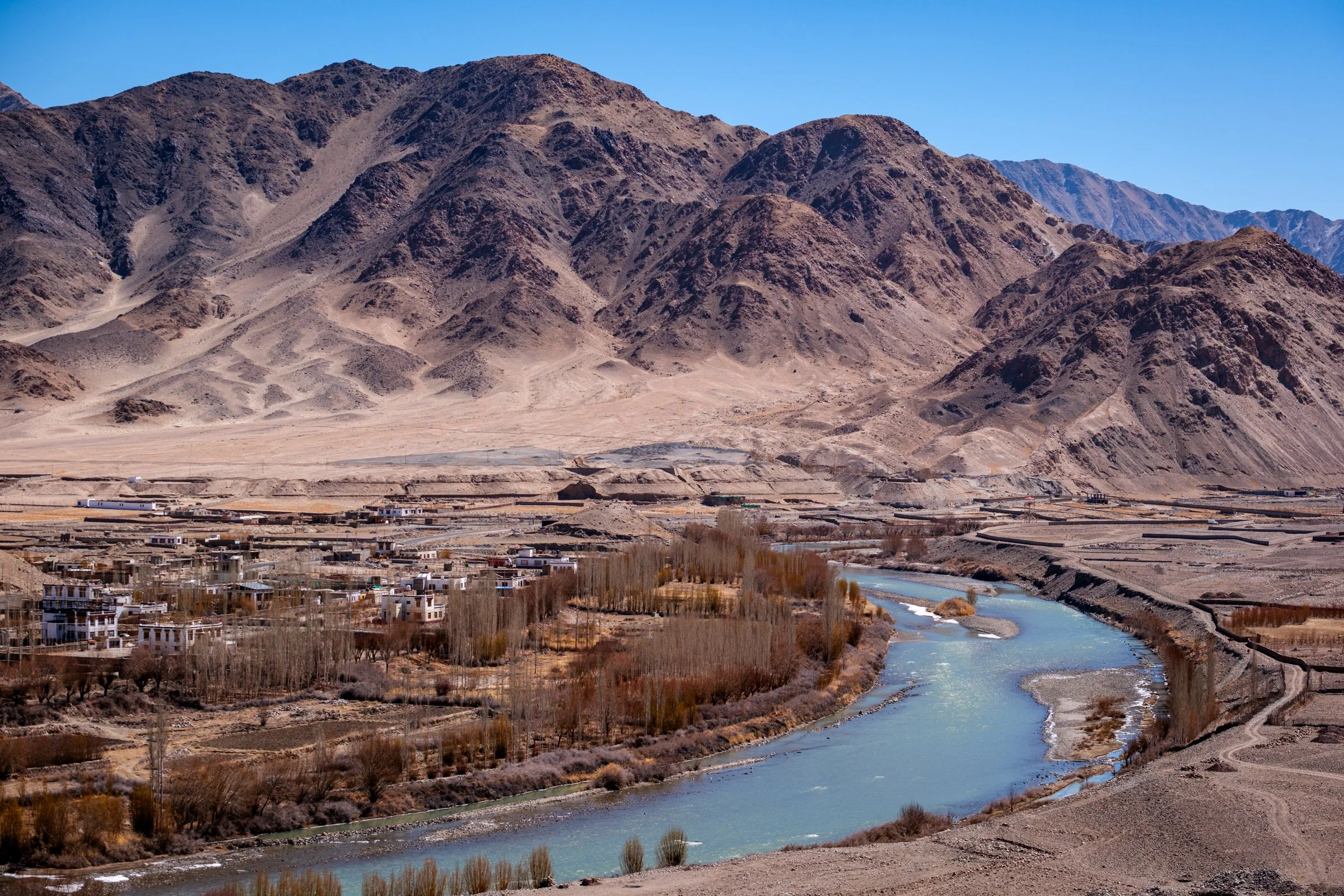
Ladakh sits at the top of India, inside the western Himalaya, on what was once the main trade route between Central Asia and Tibet. It looks like nowhere else in the country — high-altitude desert, 6,000-meter peaks, saltwater lakes at 4,500 meters, and Buddhist monasteries older than most of the cathedrals in Europe.
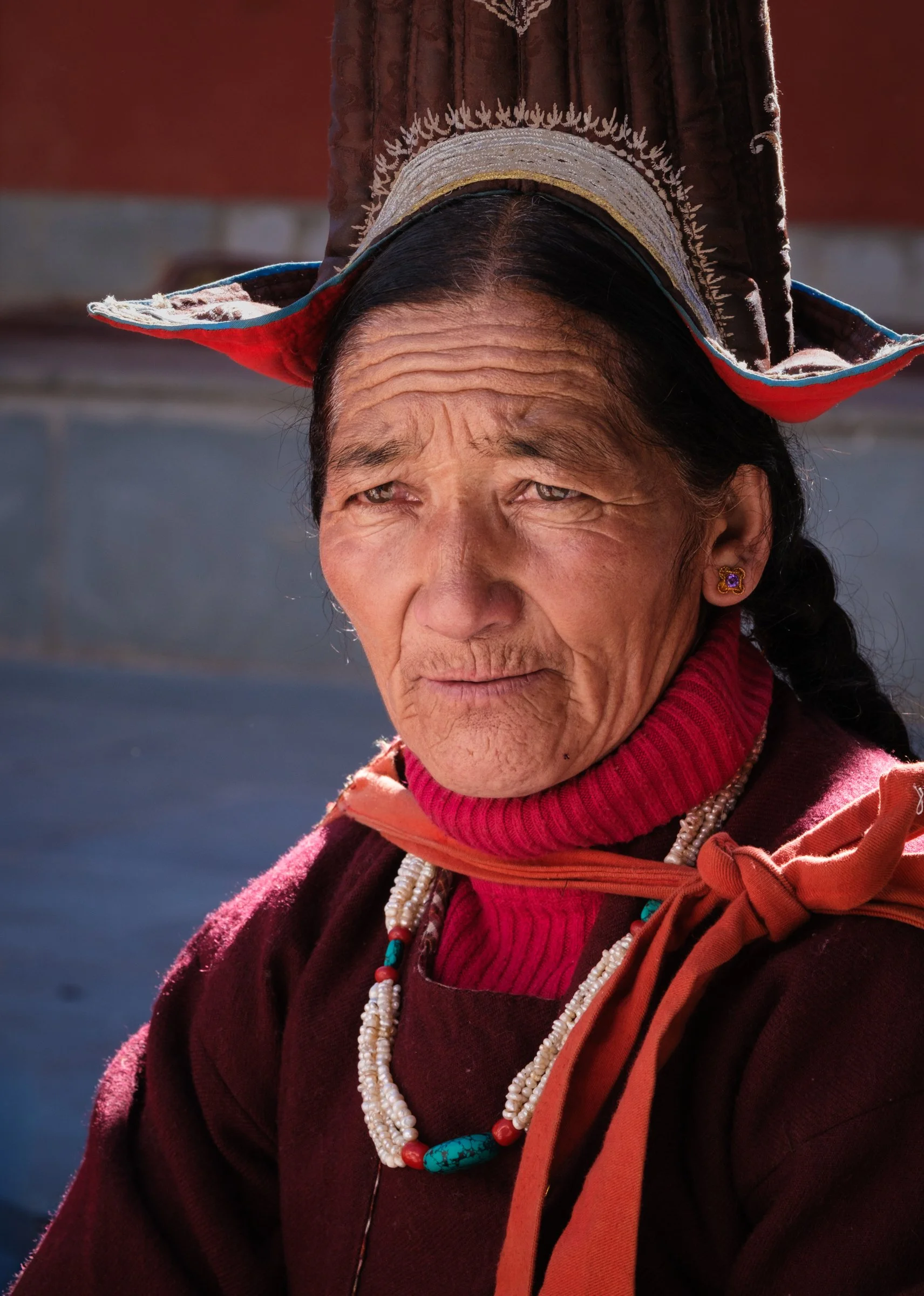
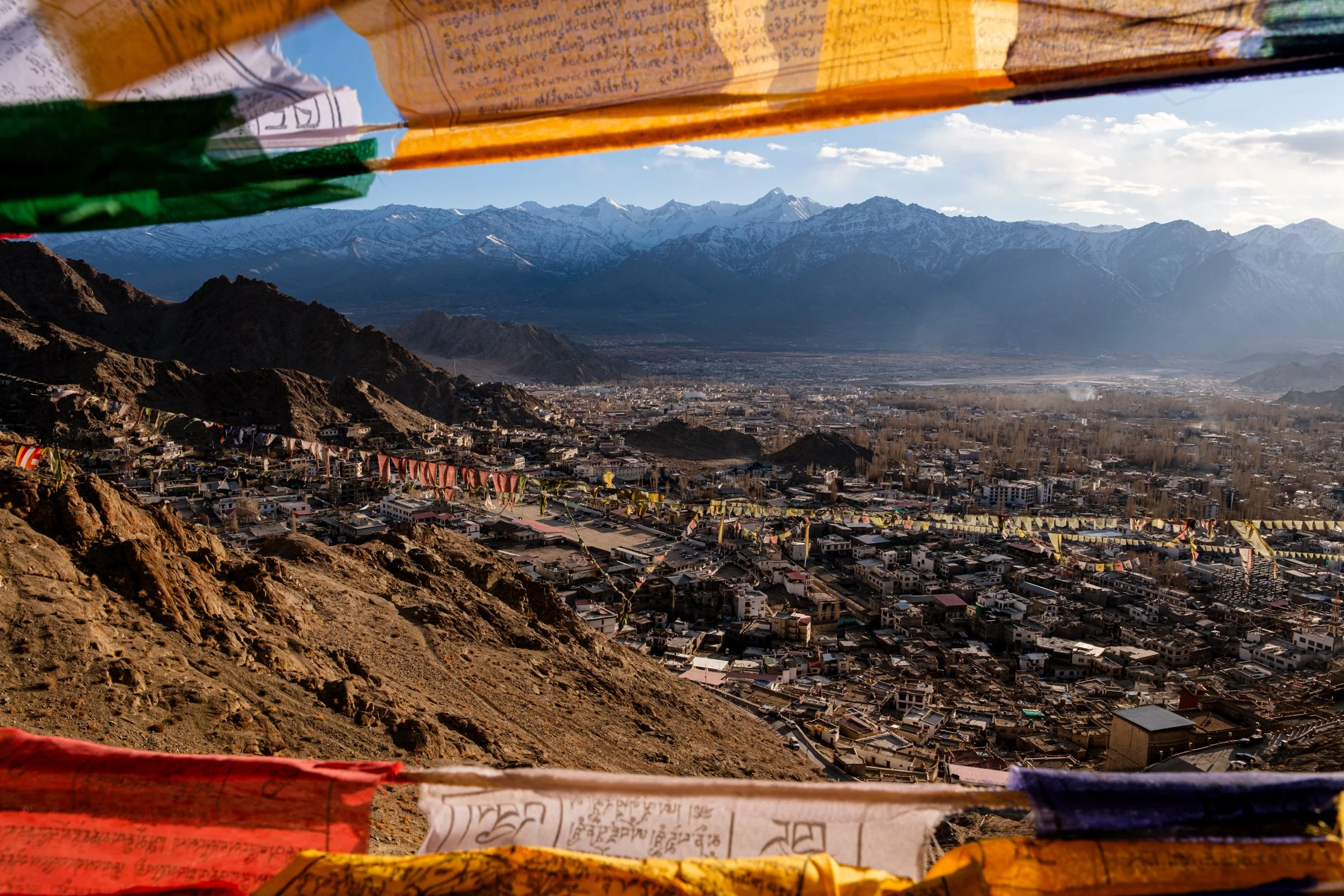
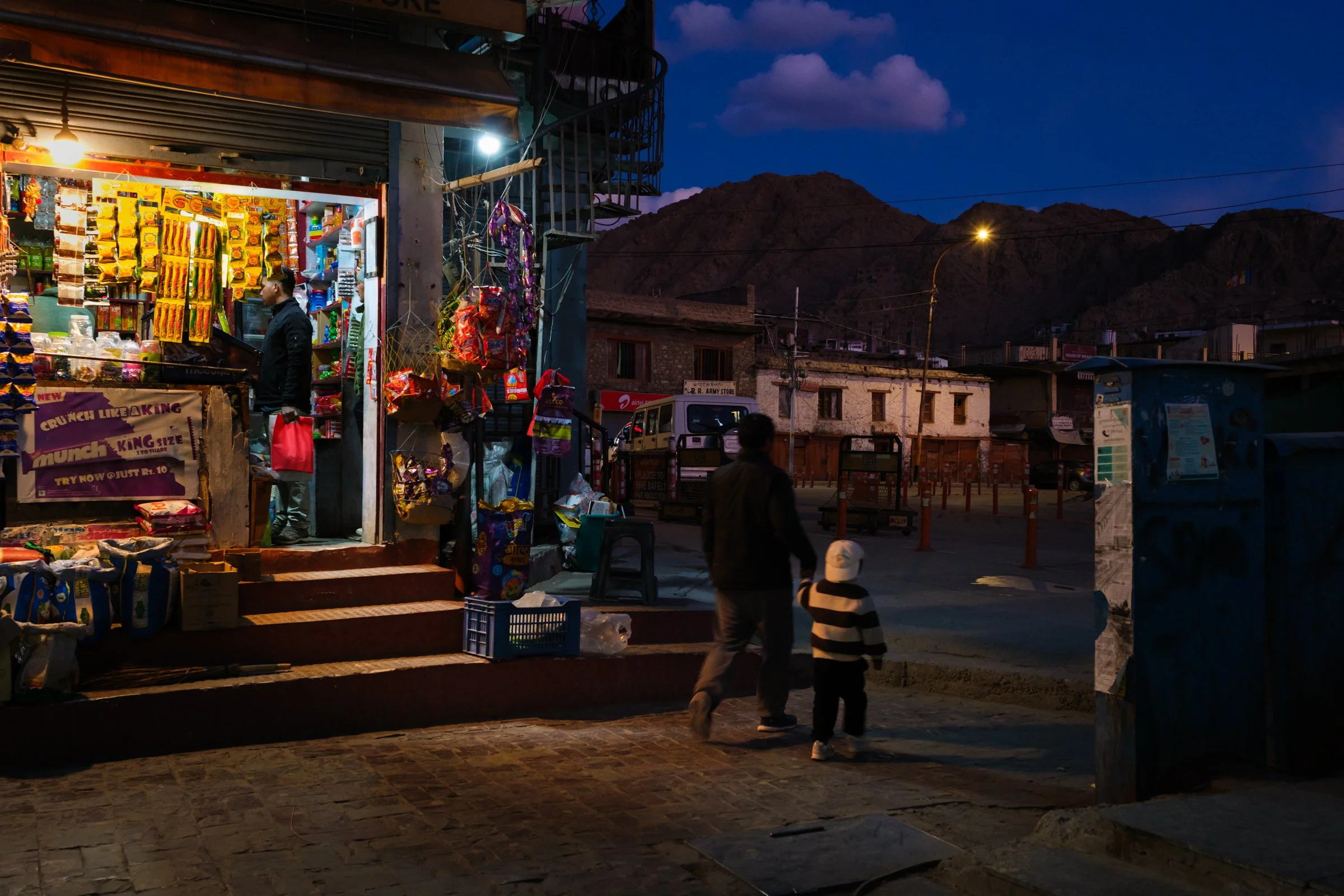
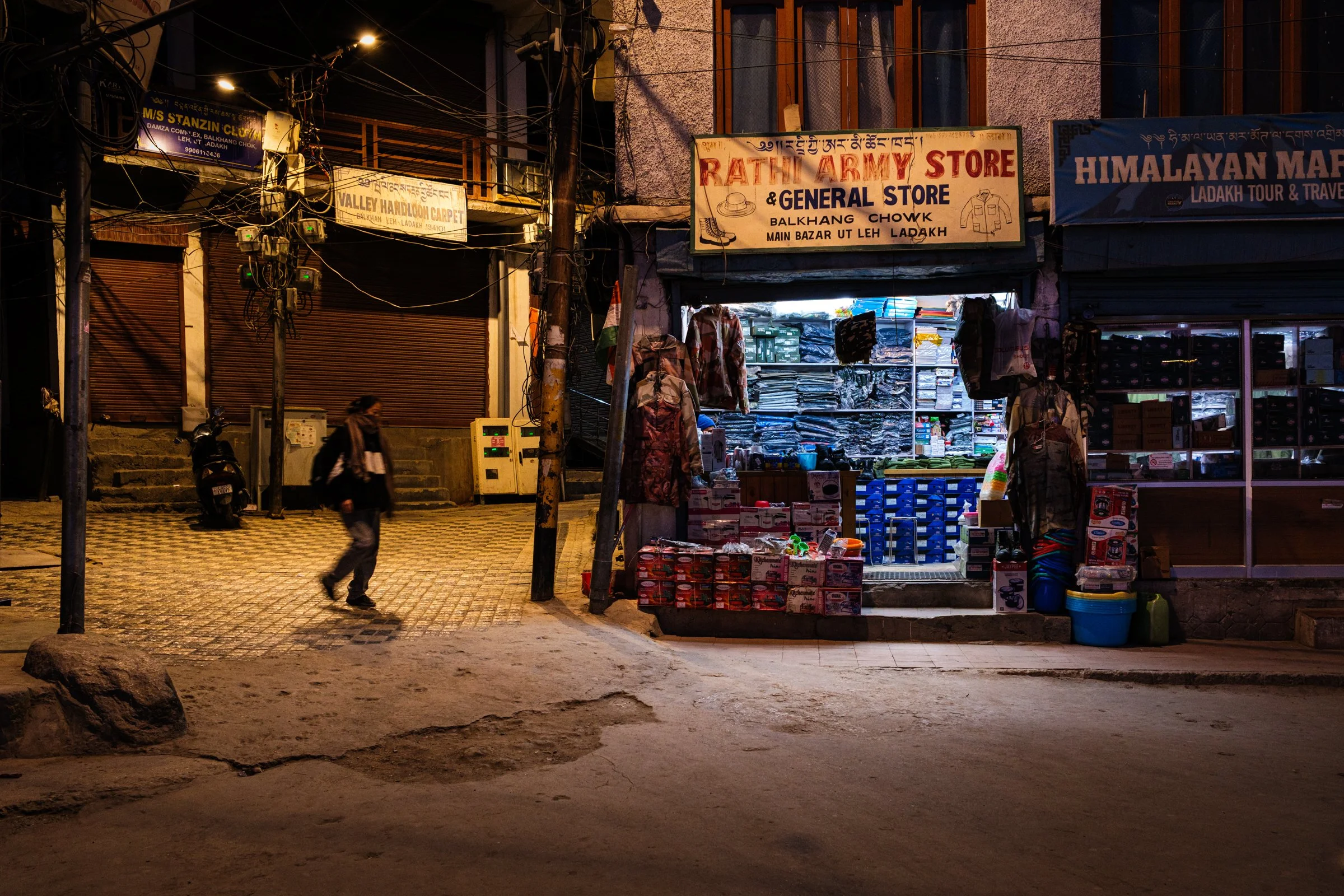
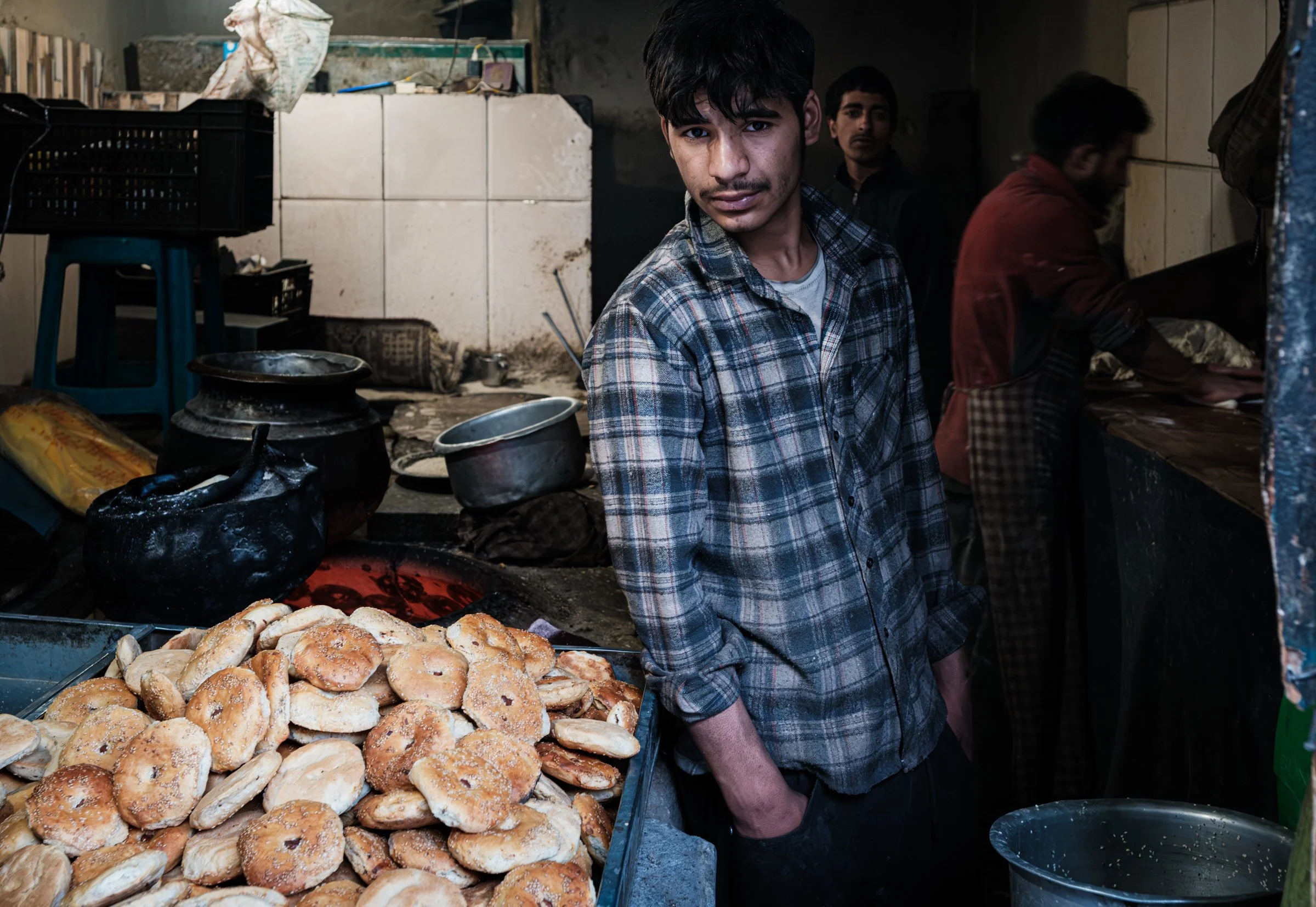
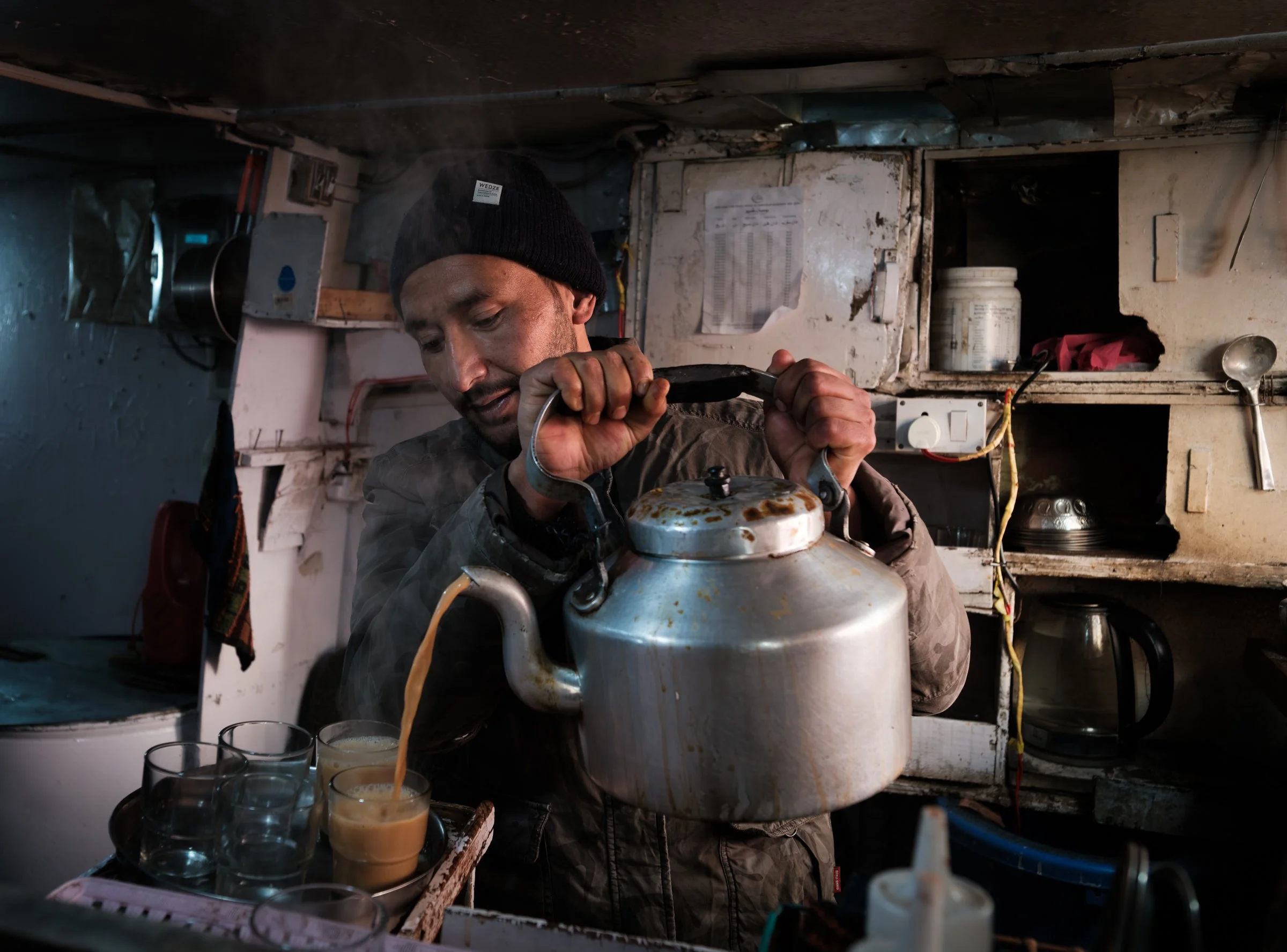
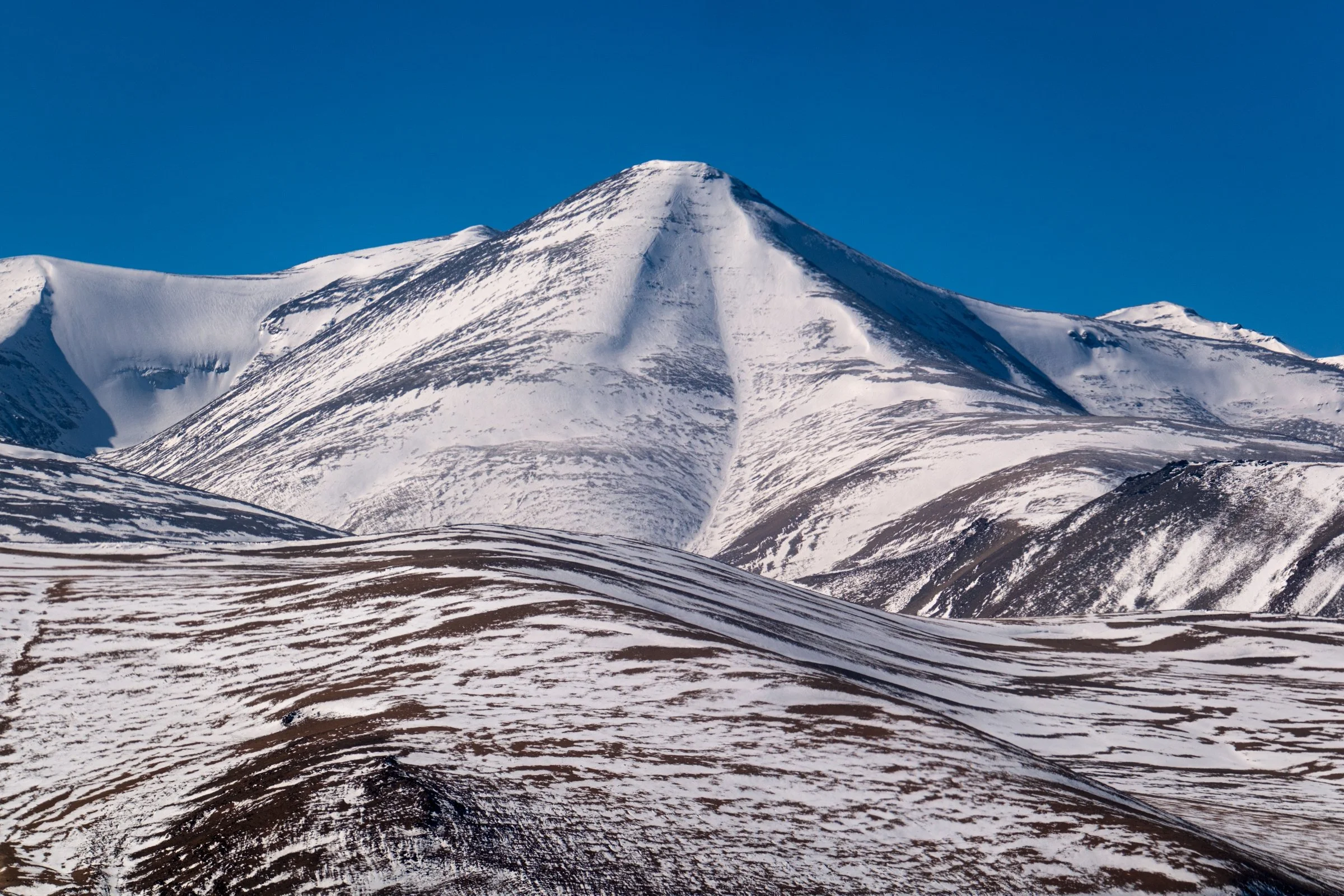
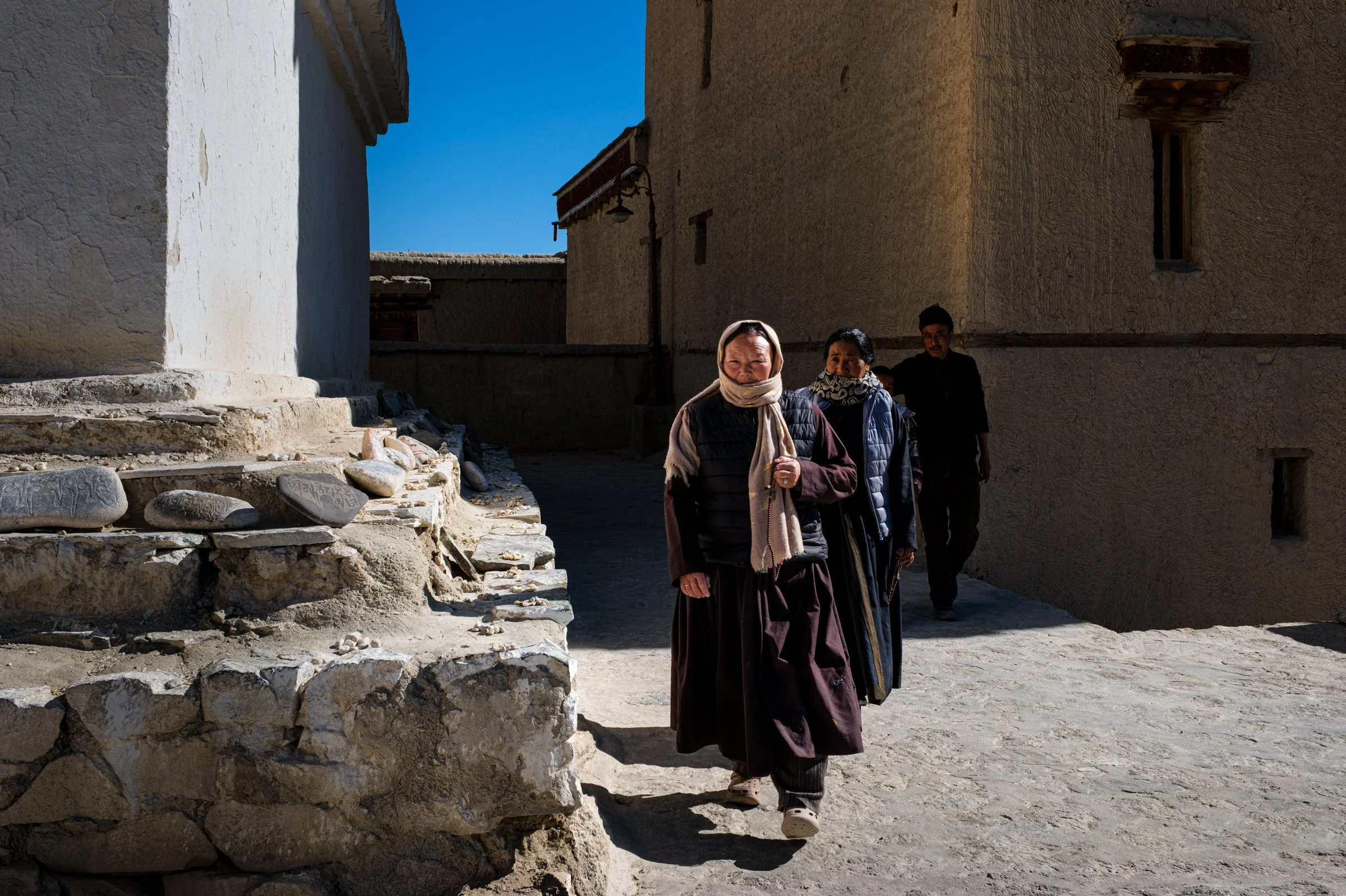
What makes Ladakh so compelling for photographers is the combination. The landscape, the light, and the people all coexist in the same frame . Dunes with snow peaks behind them, monks with butter lamps, nomad tents in wide-open plains. Few places on earth put landscape and portrait photography this close together.
This journey was designed around that combination. In Old Delhi, we photograph Mughal monuments and street life before heading north. In Leh, we spend time inside monasteries like Thiksey, Hemis, and Shey — including morning prayer with the monks. We cross the Himalaya to Nubra Valley for Bactrian camels and dunes, then to Pangong Lake for its shifting blues at sunrise. At Tsokar we photograph the salt flats and the Changpa nomads who have herded this plateau for centuries. The western leg brings us to Alchi, the Aryan Valley with its flower-crowned villagers, the Moonland terrain around Lamayuru, and Ule Ethnic Resort before we return to Leh.
For landscape and portrait photographers, Ladakh offers access to a high Himalayan world that still operates on its own terms.
Our tour
This Ladakh photography tour is designed for photographers who want both — landscape and portrait — in the same trip, and at depth rather than in passing.
Our 14-day expedition starts and ends in Delhi and moves from Old Delhi to Leh, Nubra, Pangong, Tsokar, back to Leh, and west to Alchi, the Aryan Valley, Lamayuru, and Ule. Each location was chosen for its photographic potential, and the order was built so altitude comes on gradually and the light is always working in our favor.
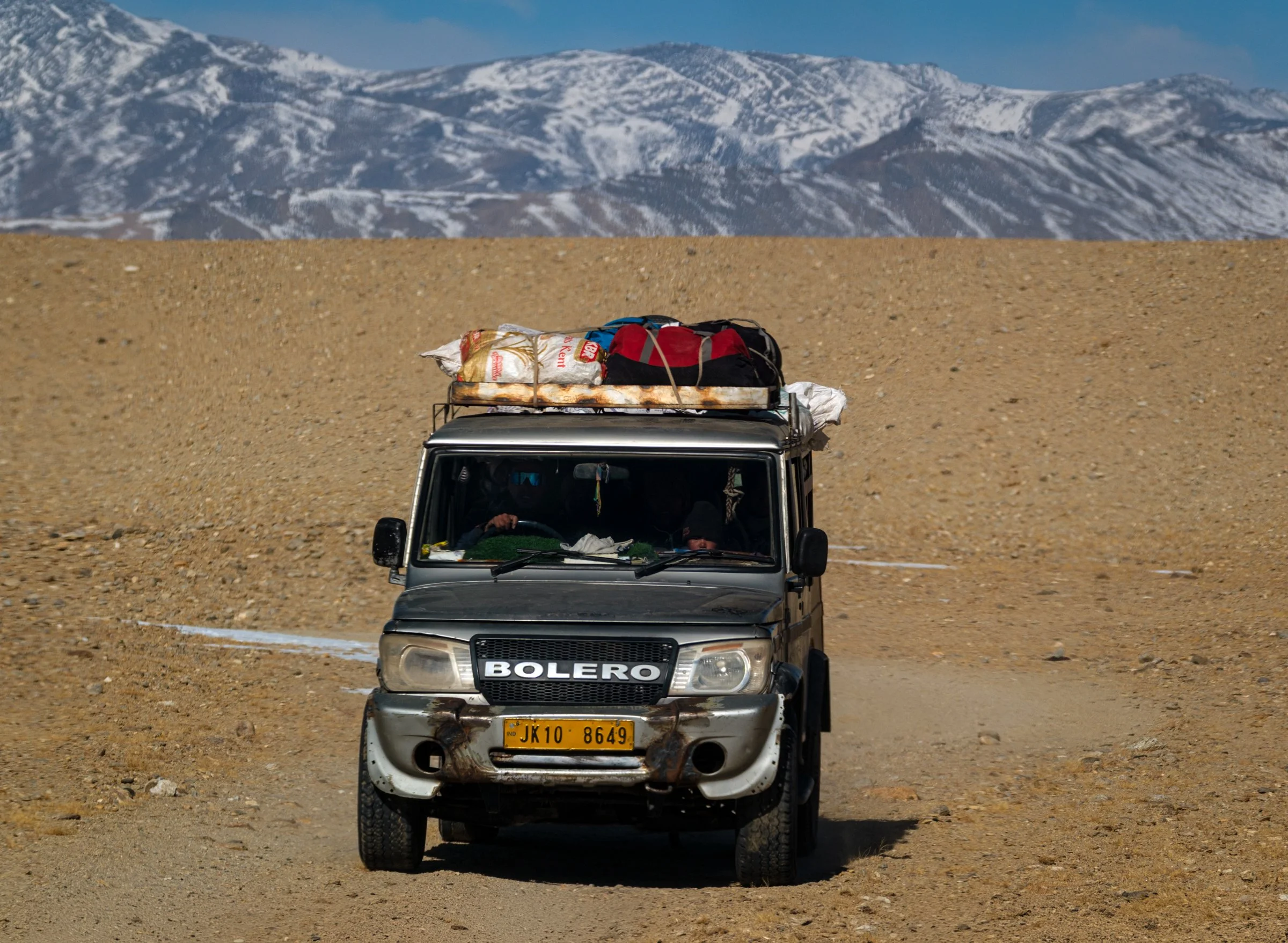
We travel with Daniel and our local partner, who has led photography tours in Ladakh for years and whose team handles the ground — private vehicles, inner-line permits, accommodation, and pre-arranged portrait access with the communities we visit. With a maximum of 10 participants, you'll have the time and space to set up properly at Khardung La, wait for the light to turn on the water at Pangong, and sit inside a yak-hair tent without anyone rushing the family out the door.
September is a deliberate choice. The monsoon is done in the plains and never really reaches Ladakh. The skies are clear, the air is cold at night but warm in the sun, and the summer trekking crowds have already thinned. It's the best working window of the year.
Full Itinerary
The itinerary below is our framework, and we follow it closely. But in the high Himalaya, weather, altitude, and light are the real decision makers.
If the clouds are breaking over Pangong and the reflections are running, we wait. If a Changpa family has the kettle on, we sit down. If the light at Lamayuru is softer in the afternoon than the morning, we swap the order. Our local team know the roads, the passes, and the September light — we adjust in real time.
What this means in practice: morning calls may shift, we may return to a viewpoint we scouted the day before, and we'll always choose real Himalayan light over sticking to the clock.
The itinerary gives you the shape of the journey. The Himalaya fills in the rest.
Day 1 | Arrive in Delhi | (D) | September 7, 2027
Upon arrival at Indira Gandhi International Airport in Delhi, you will be met and transferred to your hotel in Old Delhi. The rest of the afternoon is yours to rest and recover from the long flight.
In the evening, the group will gather for a welcome meeting and orientation, followed by a welcome dinner at the hotel. We'll introduce ourselves, talk through the photographic plan for the trip, and answer any first-day questions before turning in early.
Accommodation: Haveli Dharampura, Old Delhi, or similar.
Day 2 | Old Delhi | (B, L, D)
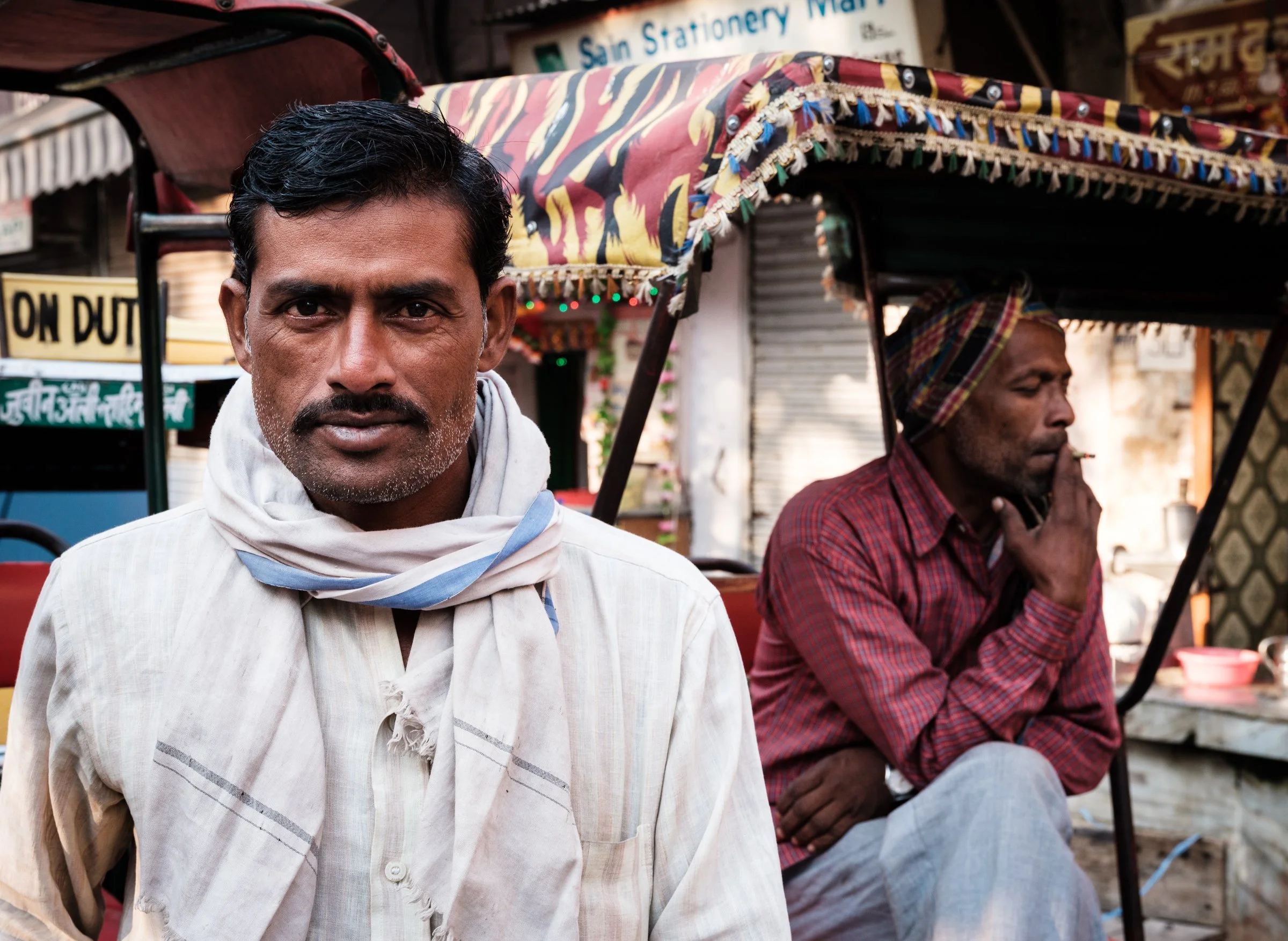
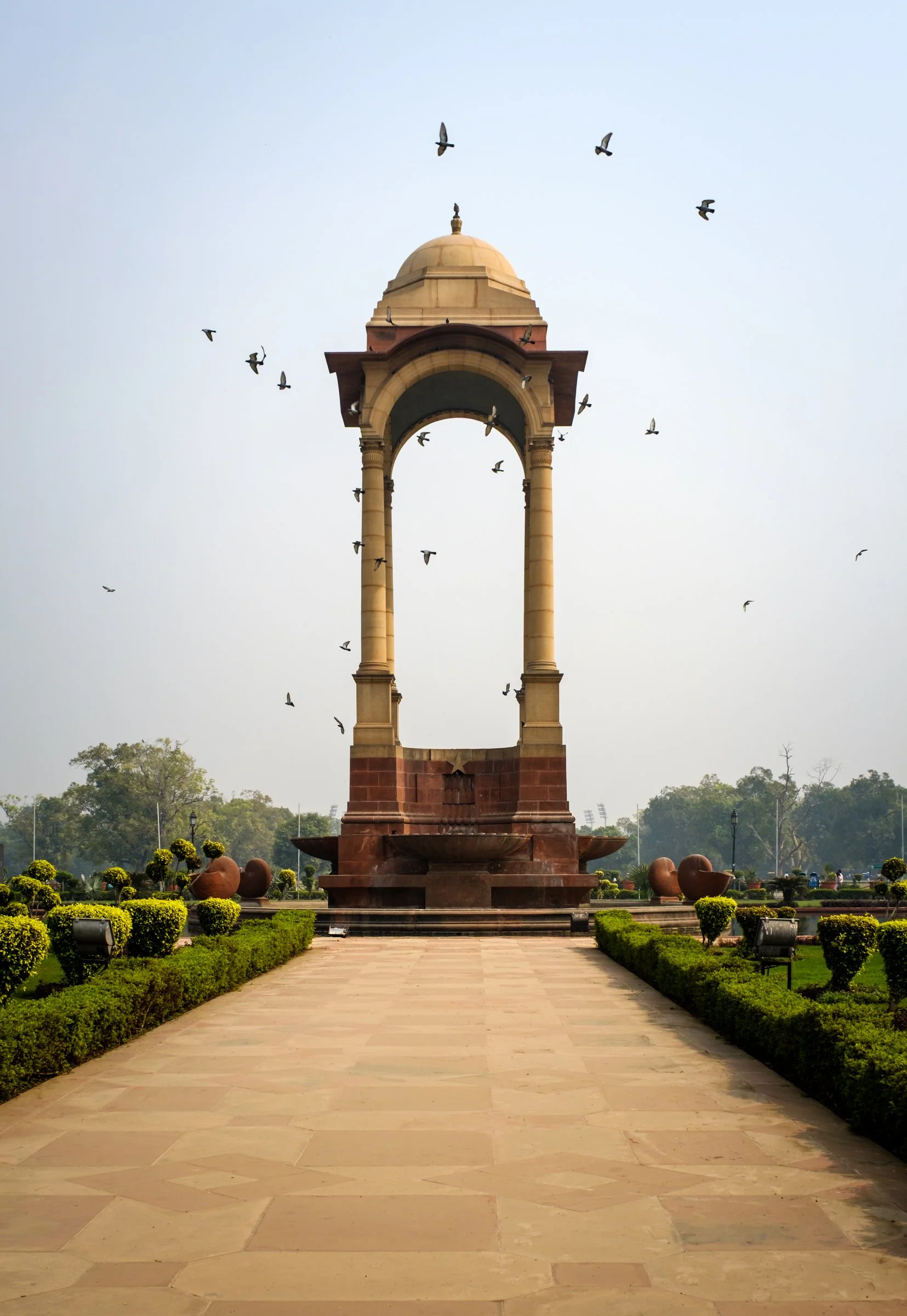
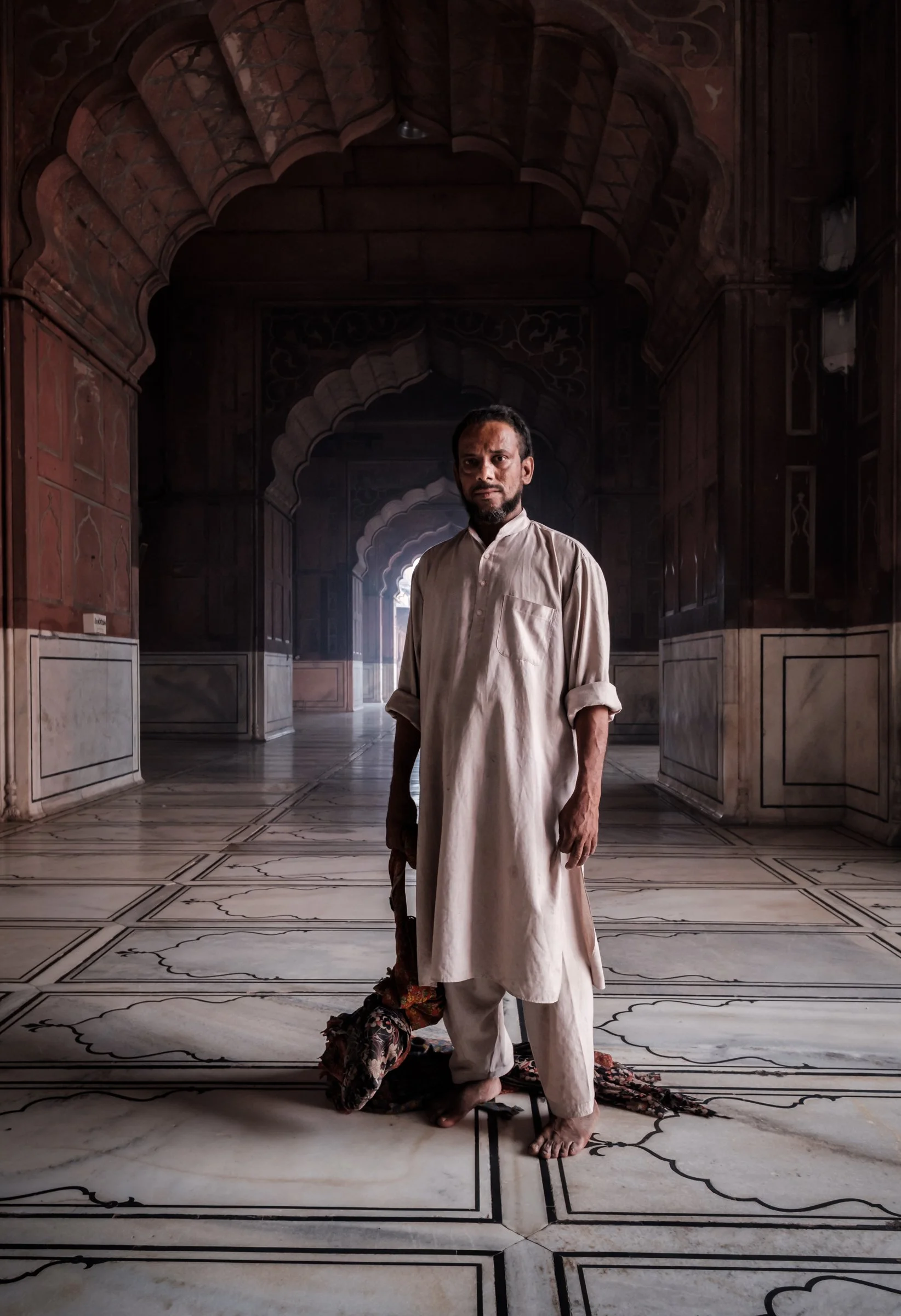
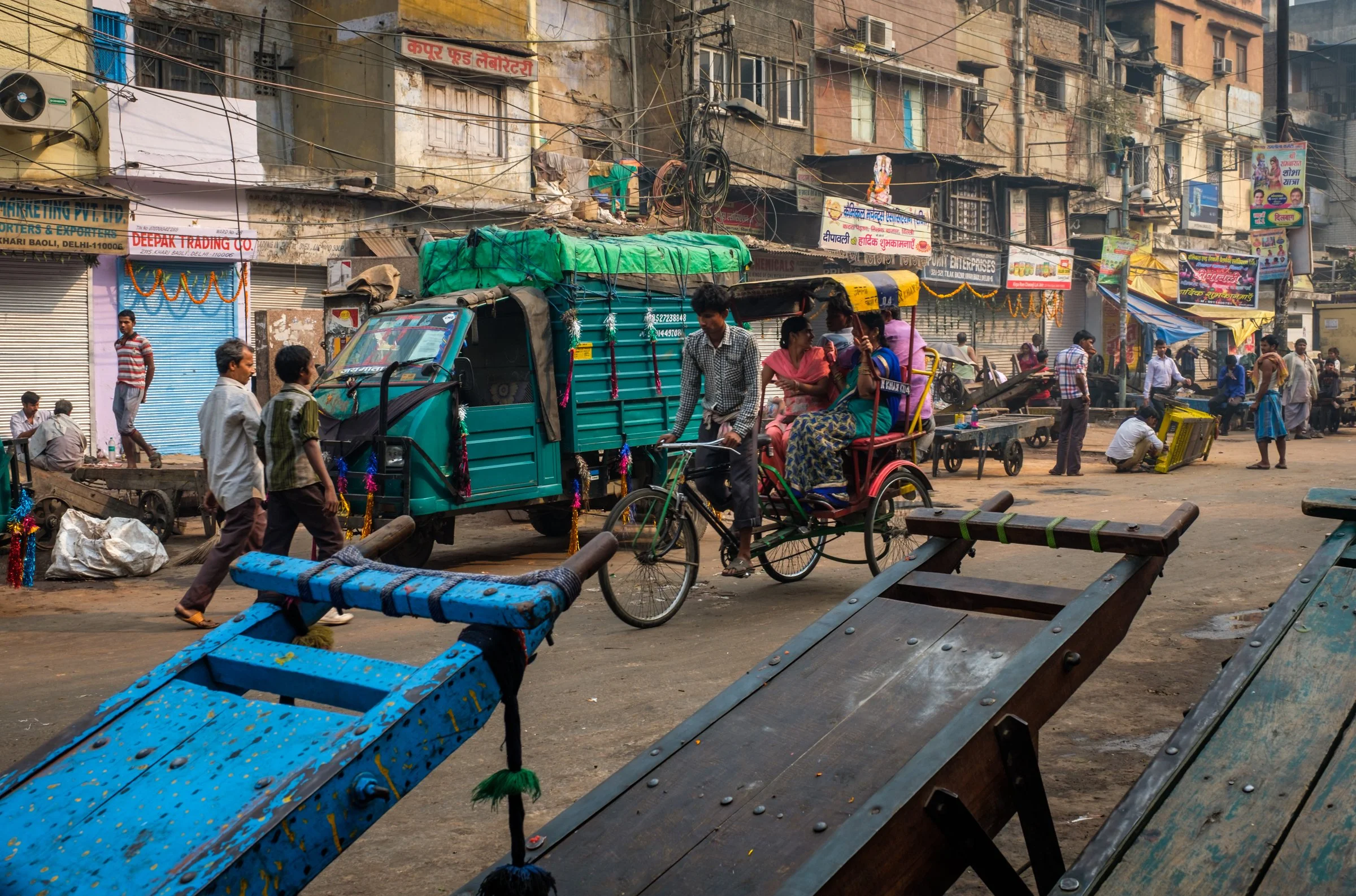
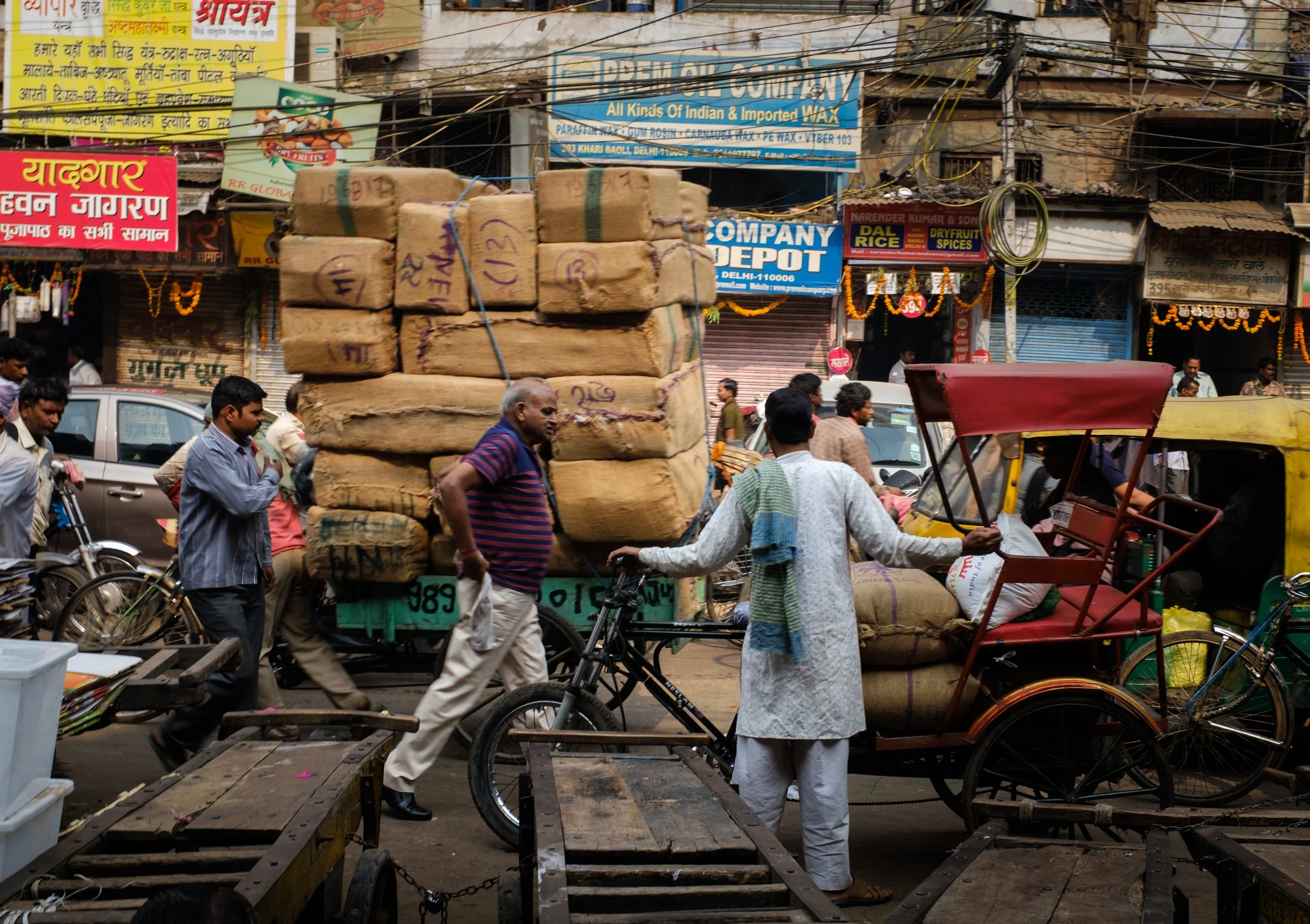
We'll head out before dawn into Old Delhi for the spice market, the lanes around Chandni Chowk, and the architecture of Jama Masjid in first light. We'll return to the hotel for a full breakfast.
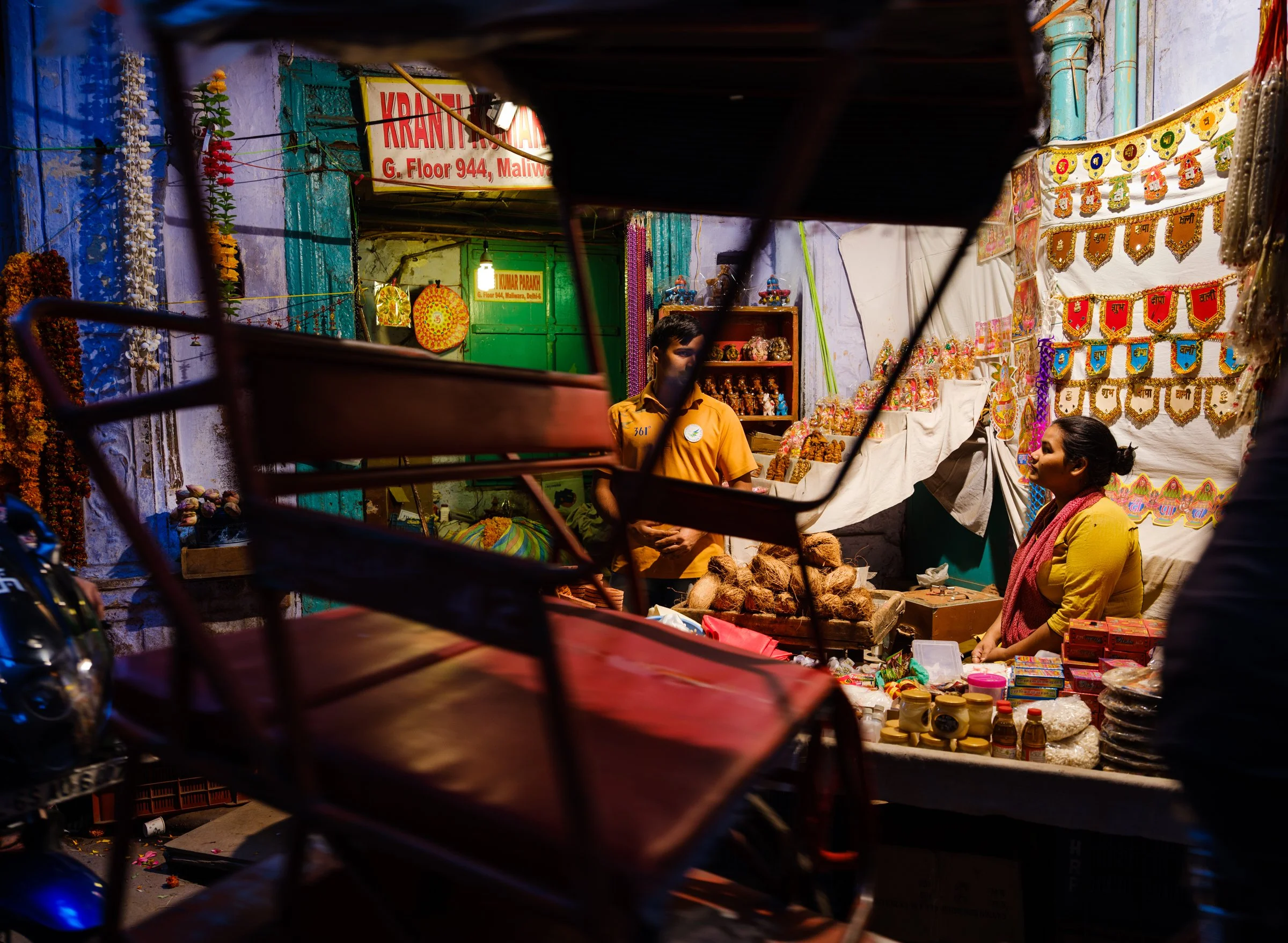
Mid-morning we'll cross town to Majnu Ka Tilla, the Tibetan colony, for chai, street color, and faces. After our midday rest, we'll work Humayun's Tomb in the afternoon for golden hour on the red sandstone and the Mughal symmetry.
Dinner at the hotel and an early night, since tomorrow's flight to Leh is early.
Accommodation: Haveli Dharampura, Old Delhi, or similar.
Day 3 | Delhi to Leh | (B, D)
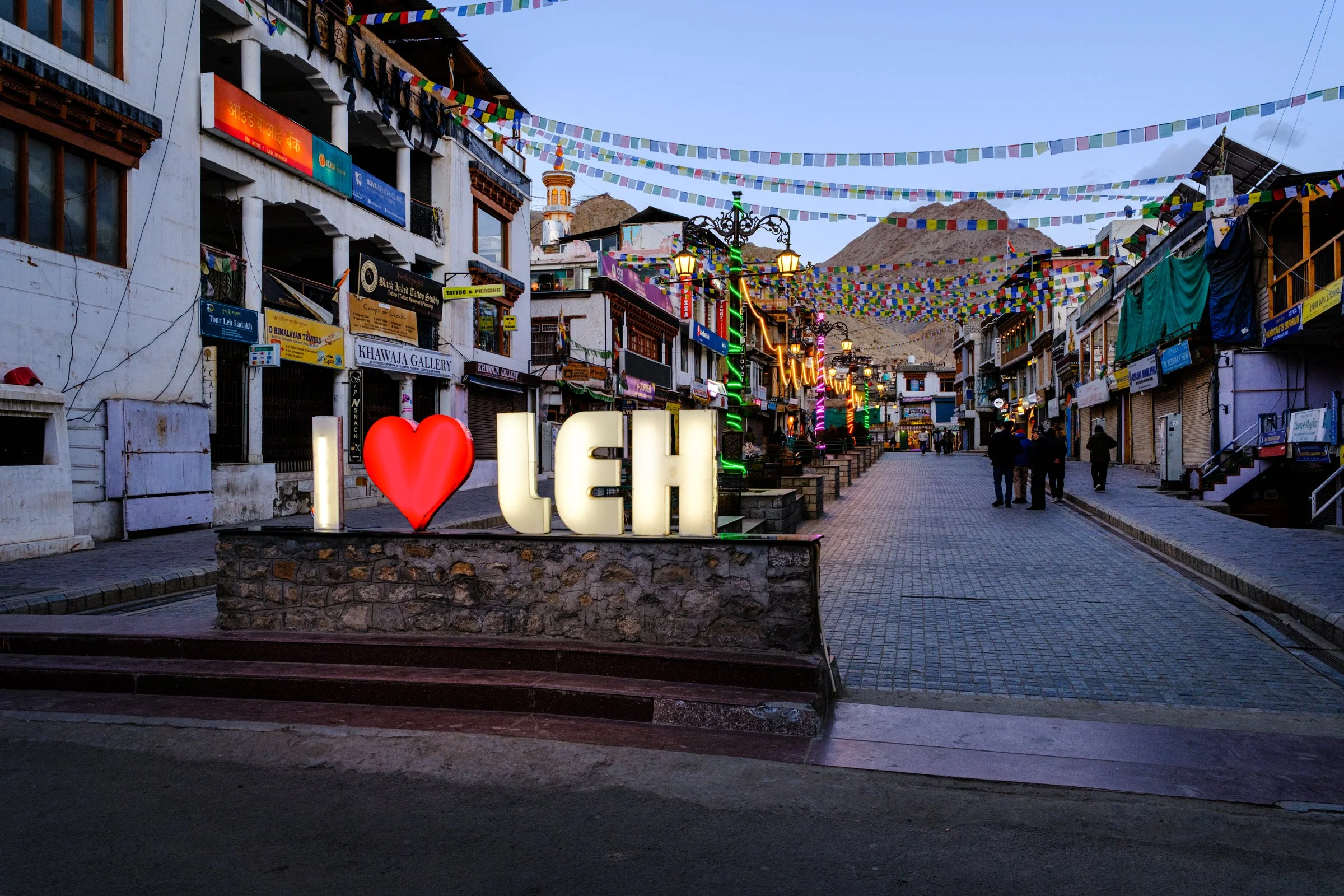
Today we'll fly from Delhi to Leh on the early morning flight, with a clear-weather descent over the Himalaya into the Indus Valley. On arrival, we'll transfer to the Grand Dragon Hotel for welcome tea and an acclimatization briefing. Leh sits at 3,500 meters, and the day is built for rest, water, and a slow start.
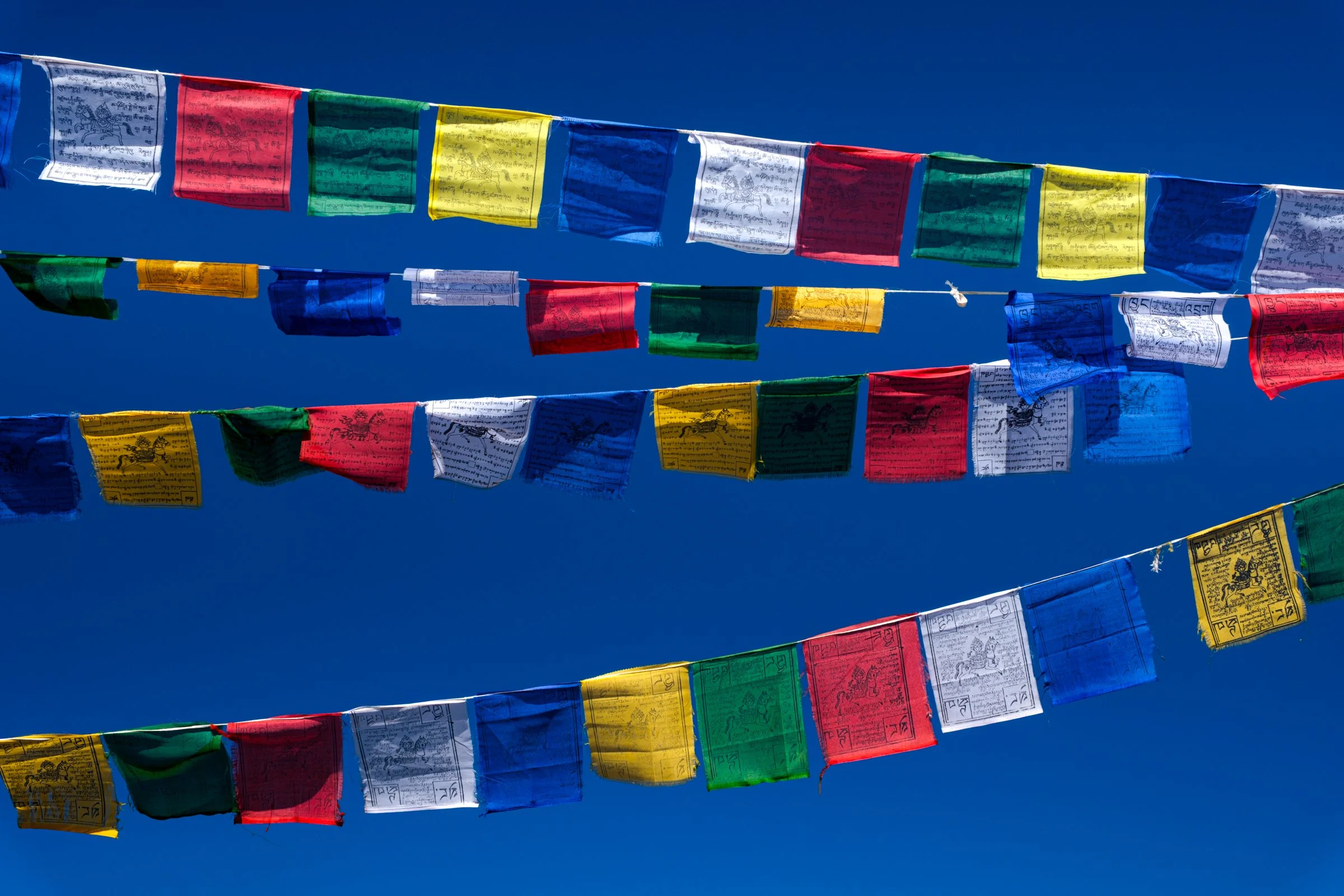
In the late afternoon, those who feel up to it can join an easy walk to Shanti Stupa for prayer flags, a panorama of Leh, and the mountains behind.
Accommodation: Grand Dragon Hotel, Leh, or similar.
Altitude: 3,500 meters (11,500 feet).
Day 4 | Old Leh Market and Monastery Circuit | (B, L, D)
We'll head out before breakfast for the bread makers' market in Old Leh, where the clay ovens are firing up at dawn. We'll work portraits and street scenes in the soft early light, then return to the Grand Dragon for a full breakfast.
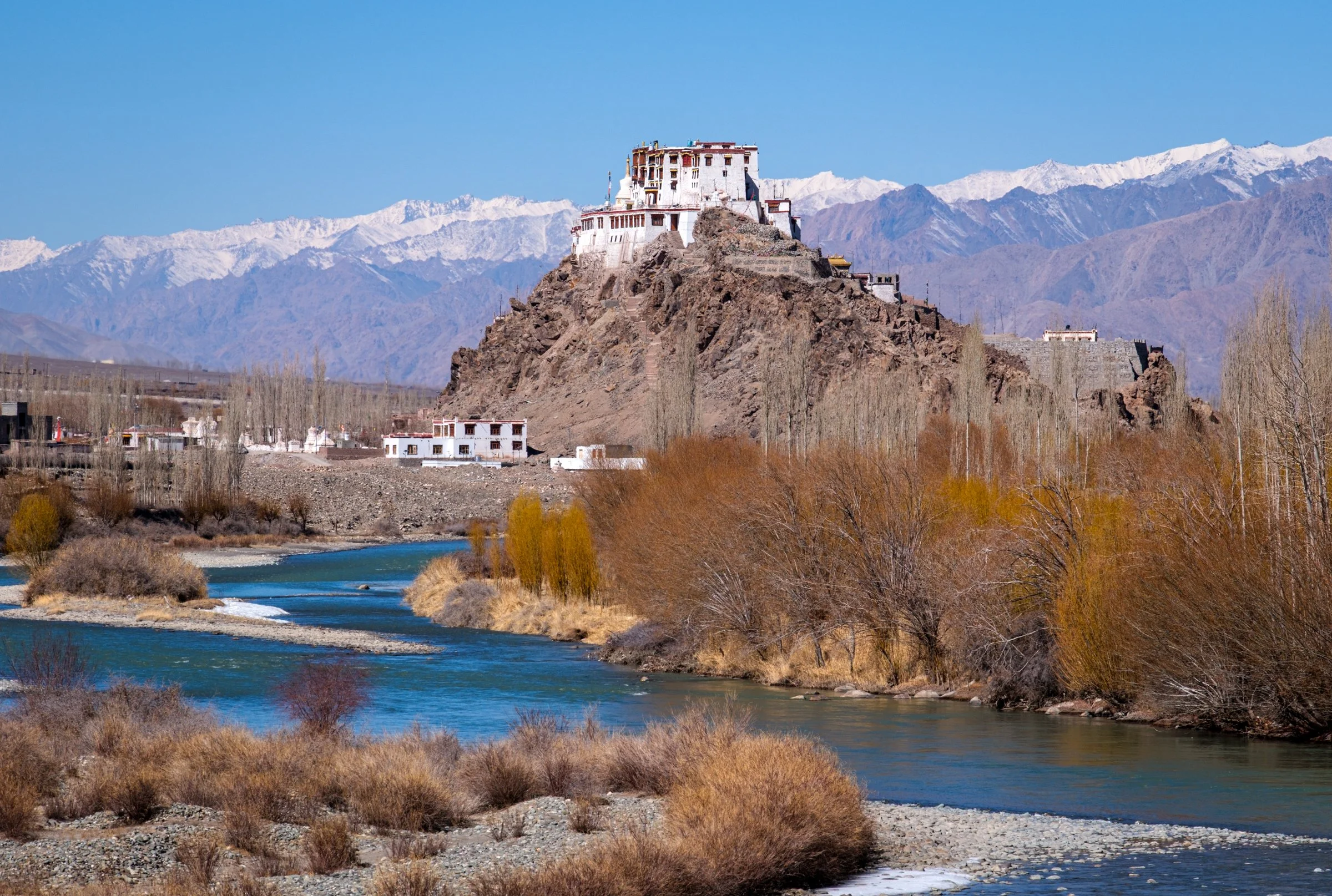
Mid-morning we'll drive out for a monastery circuit, including Shey Palace and Stakna Monastery, perched on a dramatic outcrop above the Indus River.
After our midday rest and lunch at the hotel, we'll head back out for an afternoon and golden hour shoot.
Accommodation: Grand Dragon Hotel, Leh, or similar.
Day 5 | Thiksey Morning Prayer and Hemis | (B, L, D)
We'll be up before dawn for the drive to Thiksey Monastery, where we'll be in position for the monks' morning prayer ceremony. Tea is served inside the monastery, and the prayer hall in low light, with butter lamps and chanting, is the portrait centerpiece of the Leh days.
We'll return to the Grand Dragon for a full breakfast and a short rest, then continue mid-morning to Hemis Monastery, the largest in Ladakh, tucked into a side valley below dramatic cliffs.
We'll have lunch and our midday rest at Hemis or back in Leh, then time at the hotel to repack ahead of tomorrow's early checkout to Nubra. Dinner together in Leh.
Accommodation: Grand Dragon Hotel, Leh, or similar.
Day 6 | Leh to Nubra Valley via Khardung La | (B, L, D)
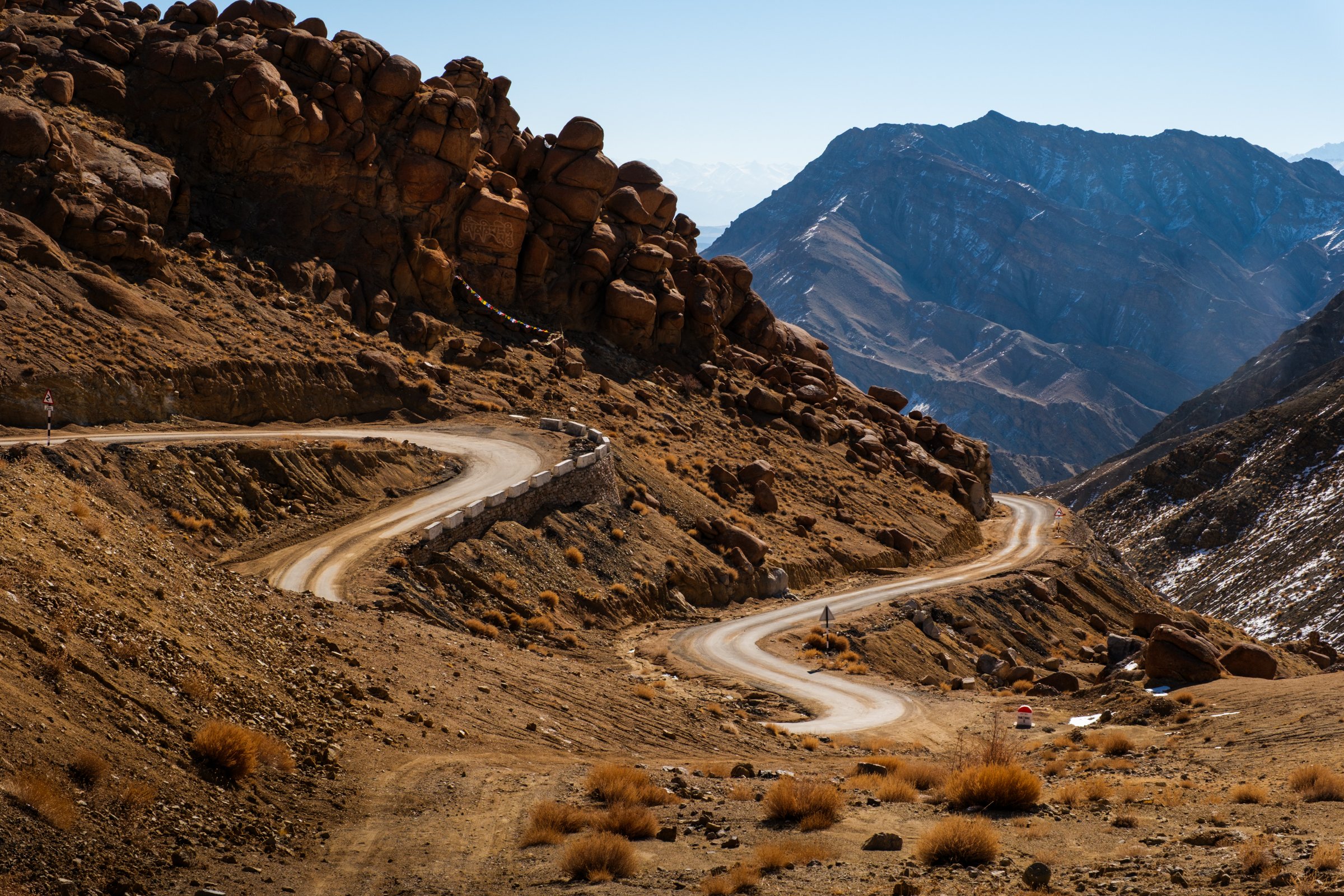
After breakfast and checkout, we'll begin the drive north to Nubra Valley via Khardung La, one of the highest motorable passes in the world. We'll be timing our departure to reach the pass in morning light, with prayer flags against snow peaks.
We'll have a packed lunch in nature on the descent, then continue down into Nubra and check into our resort. After a midday rest if timing allows, we'll head out in the late afternoon for a walk along the Shyok River and golden hour.
Accommodation: Sky View Resort, Nubra Valley, or similar.
Altitude: 3,100 meters (10,170 feet).
Day 7 | Diskit, Hunder Dunes, and the Bactrian Camels | (B, L, D)
After breakfast, we'll head out mid-morning for Diskit Monastery and the 32-meter Maitreya Buddha statue, with the Nubra Valley and snow peaks behind.
We'll return to the resort for lunch and our midday rest, then position at the Hunder Sand Dunes in the afternoon for the dunes-and-snow-peaks composition that defines this part of the trip. We have a pre-arranged portrait session with the Bactrian camel handlers in their traditional dress, with tea and coffee on the dunes.
Accommodation: Sky View Resort, Nubra Valley, or similar.
Day 8 | Nubra Valley to Pangong Lake | (B, L, D)
After an early shoot in Nubra and breakfast at the resort, we'll check out and begin the drive to Pangong Lake via the Shyok Valley. We'll stop along the way to photograph yaks and Cashmere goats grazing the high pastures, with lunch at a restaurant on route.
We'll arrive at Pangong in the late afternoon and check into our lakeside cottages. Pangong's blue is most vivid in afternoon light, and we'll work the lake through sunset and golden hour, with reflections, mountain silhouettes, and last color on the water.
The evening will be around the bonfire with tea and dinner.
Accommodation: Frontier Cottages, Pangong, or similar.
Altitude: 4,350 meters (14,270 feet).
Day 9 | Pangong to Tsokar | (B, L, D)
We'll be at the lake before dawn for the signature shot of the trip, with first light on the water, prayer flags, and the surrounding peaks. After breakfast, we'll work a traditional dress portrait session at the water's edge before checkout.
We'll then begin the drive to Tsokar, with stops at elevated viewpoints over Mirpal Tso and YaYa Tso for wide-angle lake compositions before continuing across the high plateau. We'll arrive at Tsokar in the late afternoon and have time to settle in.
Accommodation: Kalzang Residency, Tsokar, or similar.
Altitude: 4,530 meters (14,860 feet).
Day 10 | Tsokar to Leh via the Changpa Nomads and Taglang La | (B, L, D)
We'll start with sunrise at the Tsokar salt flats, with reflections in early light and the wide-open sky of the high plateau. After breakfast, we'll begin the drive back toward Leh.
On the way, we'll visit a Changpa nomadic family in the Pang-chen valley for tea inside a yak-hair tent, with portraits, tent interiors, and the texture of nomadic herding life. We'll continue over Taglang La pass for a photo stop at the prayer flags and the geological color bands on the descent.
We'll arrive in Leh in the afternoon, with time to rest at the hotel before dinner together.
Accommodation: Grand Dragon Hotel, Leh, or similar.
Day 11 | Leh, Alchi, and the Aryan Valley | (B, L, D)
After breakfast and checkout, we'll drive west along the Indus to Alchi Monastery, with rare 11th-century Buddhist murals and woodcarvings, and the village market with weavers and craftspeople.
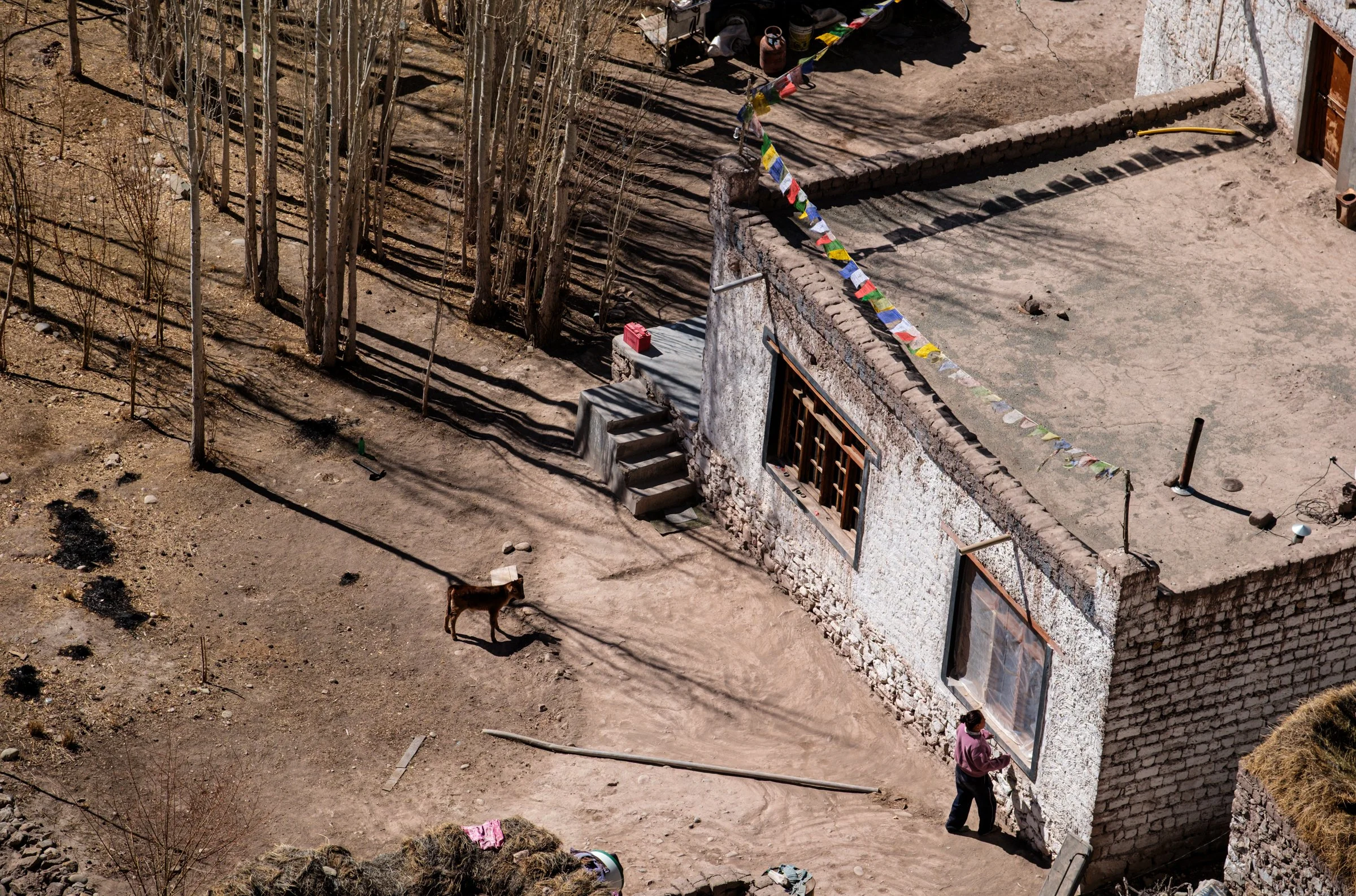
We'll have lunch and our midday rest at Alchi, then continue to the Aryan Valley in the afternoon. The Aryan community here is ethnically and visually distinct, with traditional dress and flower headdresses, and we'll work golden hour in the village among stone houses, prayer flags, and apricot orchards.
Accommodation: Aryan Residency, Garkhon, or similar.
Altitude: 2,800 meters (9,200 feet).
Day 12 | Aryan Valley, Lamayuru, and Ule | (B, L, D)
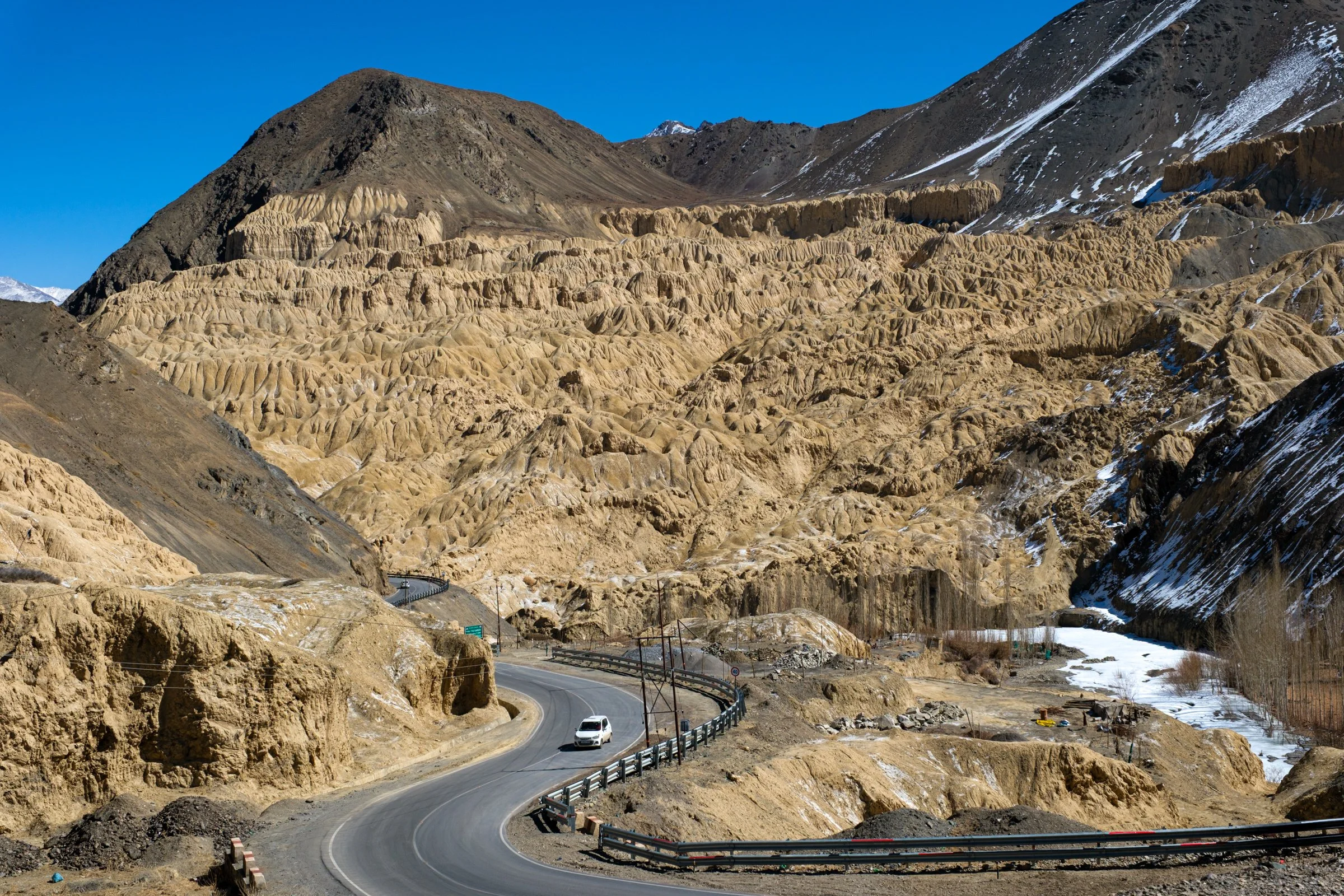
We'll begin with a morning portrait shoot in the Aryan Village in early light, where the flower headdresses and traditional dress show best. After breakfast, we'll drive on to Lamayuru Monastery for the famous moonland landscape, with eroded ridges and ochre slopes, and the working monastery on its clifftop above.
After our midday rest, we'll continue west to Ule and check into our lodge on the river. We'll work sunset around the resort and the village.
Accommodation: Ule Ethnic Resort, Ule, or similar.
Altitude: 3,000 meters (9,840 feet).
Day 13 | Ule to Leh, Final Dinner | (B, D)
We'll have an optional early shoot in Ule village before breakfast. After breakfast, we'll make the short drive back to Leh and check into the Grand Dragon.
The afternoon is yours for the Leh craft markets, packing, or rest, with silver, pashmina, and tangkas all worth the time if you want to bring something home.
In the evening we'll gather for our farewell dinner together to talk through the trip and close out the journey properly.
Accommodation: Grand Dragon Hotel, Leh, or similar.
Day 14 | Depart Leh | (B) | September 20, 2027
Today is the last day of the tour. After breakfast, and at the appropriate time, you will be transferred to Leh airport for your morning flight to Delhi. Onward connections from Delhi, or a Delhi overnight, can be arranged on request.
The price of the tour includes:
13 nights of accommodation on a twin/double sharing basis, as listed in the itinerary.
All meals: 13 breakfasts, 12 lunches, and 13 dinners, including non-alcoholic beverages.
Photo tour leader Daniel Korzeniewski throughout the expedition.
Local expert guide, English-speaking, throughout the expedition.
All ground transportation in private vehicles as listed in the itinerary.
Two domestic flights: Delhi to Leh (Day 3) and Leh to Delhi (Day 14).
Inner-line permits for restricted areas (Nubra Valley, Pangong, Tsokar, and the Aryan Valley).
Pre-arranged portrait sessions, including fair compensation to participating subjects.
All entrance fees, monastery donations, and community access fees as listed in the itinerary.
Airport transfers in Delhi and Leh.
Daily bottled water.
The price does not include:
International flights to Delhi and onward from Delhi.
Travel insurance, mandatory for all participants.
Indian visa fees, required for most nationalities.
Alcoholic beverages.
Tips for guides and drivers.
Personal expenses (souvenirs, laundry, phone calls, SIM card, etc.).
Altitude medication, consult your doctor before departure.
Meals not listed in the itinerary.
Anything not explicitly listed under inclusions above.

Tour Leader
Daniel Korzeniewski
Photography is more than a passion for Daniel; it’s a golden opportunity to document the world and share unique cultures with people across the globe. Embarking upon his creative path at the age of 17, he has since shot assignments, commercial work, and lifestyle campaigns.
However, his primary focus is on travel and landscape photography. Daniel led photo tours in Morocco, India, Peru, Cuba, and Vietnam during the last few years.
Daniel is fluent in both Spanish and English.
FAQ
-
If you want to photograph the Indian Himalaya while the weather is stable, the passes are open, and the communities you visit are still part of daily life rather than a performance, this trip is built for you. The route combines landscape and portrait photography across 14 days, from Old Delhi to the monasteries of Leh, Nubra Valley, Pangong Lake at sunrise, the salt flats of Tsokar, the Changpa nomads, and the Aryan Valley in the west.
You do not need to be an experienced high-altitude traveler or a seasoned landscape photographer to join. You need to be reasonably fit, patient with weather and light, and willing to spend time with people rather than just passing through their villages.
-
Ladakh is one of the most peaceful regions in India, with a strong Buddhist cultural foundation, an established tourism infrastructure, and a long history of hosting international visitors. The areas on this itinerary, including Leh, Nubra, Pangong, Tsokar, and the Aryan Valley, are all well-traveled and stable. Standard travel precautions apply as they would anywhere.
We travel as a private group throughout, with our local team handling all in-country logistics from the moment you arrive in Delhi. Inner-line permits for restricted areas are arranged in advance, and our drivers know the routes well.
-
We have rated this tour as Moderate. Daily activities are mostly private-vehicle transfers with short walks on uneven ground: monastery courtyards, village lanes, the dunes at Hunder, the salt flats at Tsokar. There is no significant hiking.
The real consideration is altitude, not exertion. We cross passes above 5,300 meters and sleep as high as 4,530 meters at Tsokar. Participants should be reasonably active, comfortable with thin air, and free of serious cardiovascular or respiratory conditions. If you have specific health concerns, contact us before booking and we will be happy to talk through the details.
-
Altitude is the primary consideration on this tour. Leh sits at 3,500 meters, and we climb from there. We build a full acclimatization day into the first day in Leh, keep a hard midday rest throughout the tour, carry supplemental oxygen in the vehicles, and follow a daily rhythm designed around altitude recovery.
We strongly recommend consulting your doctor about Diamox (acetazolamide) four to six weeks before departure. It is widely used as a preventative for altitude sickness. Arrive in Delhi rested, do not over-exert in the first 48 hours in Leh, drink more water than feels normal, and avoid alcohol for the first three days at altitude.
No specific vaccinations are required to enter India from most Western countries, but please check current CDC and WHO guidance with your travel doctor before departure.
-
Ladakh in September is warm to mild during the day and cold at night, with strong sun, dry air, and big temperature swings between morning and evening. Layers are everything.
Clothing:
Base layers — merino or synthetic, long-sleeve and full-length
Mid-layer fleece or light down jacket for mornings and evenings
Warm insulated jacket for pre-dawn shoots and high-altitude passes
Windproof and waterproof outer shell
Warm hat, buff or scarf, and lightweight gloves
Comfortable hiking pants and one pair for warmer days
Sturdy, broken-in walking shoes or light hiking boots
Sandals or lightweight shoes for the hotel
A modest top and pants or long skirt for monastery visits, with knees and shoulders covered
Photography gear:
A wide-angle zoom (16-35mm or 24-70mm equivalent) for landscapes and interiors
A medium telephoto (70-200mm) for portraits, monastery detail, and distant landscape compression
An optional longer lens (300mm or up to 400mm) for camel handlers, wildlife, and isolated landscape work
A sturdy travel tripod for sunrise at Pangong, the salt flats at Tsokar, and prayer-hall low-light work
Plenty of memory cards and at least two camera batteries (cold mornings drain batteries fast)
A laptop and external storage for image review and backup
A circular polarizer and a basic ND filter
Lens cleaning kit, sensor cleaning gear, and a rain cover
Personal:
Sunglasses with strong UV protection
Sunscreen (SPF 50) and lip balm with SPF
Personal medication and a basic altitude headache remedy
A reusable water bottle
Hand sanitizer and basic toiletries
A small daypack for shoots and village walks
Universal travel adapter (India uses Type C, D, and M plugs, 230V)
-
Yes. All foreign visitors require a passport valid for at least six months beyond the date of entry, with at least two blank pages. Most nationalities, including U.S., Canadian, U.K., and EU passport holders, require an Indian e-Visa, which can be applied for online before travel. Please apply for your visa at least four weeks before departure to allow for processing time.
-
Yes. Travel and medical insurance, including emergency evacuation coverage, is mandatory for all participants.
-
The currency of India is the Indian Rupee (INR). ATMs are reliable in Delhi and in Leh town, but rare to nonexistent once you leave Leh for Nubra, Pangong, Tsokar, or the Aryan Valley. Plan to withdraw or exchange enough cash before leaving Leh for personal expenses, tips, and craft purchases on the road.
Credit cards are accepted at hotels and larger shops in Delhi and Leh, but not in remote villages or markets. We recommend traveling with a mix of small bills in INR and a backup card.
-
We have selected accommodations that balance character, position, and the needs of a working photography group. In Delhi, we stay at Haveli Dharampura, a restored heritage property in the heart of Old Delhi. In Leh, we stay at the Grand Dragon Hotel, a well-run boutique hotel that we have used before and trust.
Outside Leh, the standard varies with the geography. Nubra and Ule are comfortable resort-style properties. Pangong is lakeside cottages directly on the water, which means rustic comfort in exchange for being right at the lake at sunrise. Tsokar and the Aryan Valley are simpler guesthouse-style stays, the best available in those areas, where being there at all is the point.
Across the trip, hot water, comfortable beds, and clean rooms are the standard. Wi-Fi is reliable in Delhi and Leh, spotty to nonexistent elsewhere.
-
Food in Ladakh is simple, hearty, and well suited to the altitude. Expect a mix of Ladakhi, North Indian, Tibetan, and continental dishes across the trip, including momos, thukpa, dal, rice, vegetable curries, fresh-baked bread, and plenty of hot tea. In Delhi, the range is broader, with everything from Mughlai to street food to international options.
Vegetarian and vegan diets are easy to accommodate. If you have specific dietary restrictions or allergies, please let us know at the time of booking so we can plan accordingly.
-
Be prepared to be without internet for most of this trip. In Delhi, mobile and Wi-Fi service is excellent, and at the Grand Dragon in Leh, Wi-Fi is usually reliable. Once you leave Leh for Nubra, Pangong, Tsokar, and the Aryan Valley, coverage ranges from spotty to nonexistent.
Foreign SIM cards generally do not work in Ladakh, and even Indian SIM cards purchased in Delhi often do not function well once you cross into the region. From experience, a SIM card I bought in Delhi did not work reliably in Ladakh. Plan to be off the grid for stretches of the trip, and let your family and contacts at home know that you may be hard to reach for several days at a time.
-
India operates on 230V, 50Hz electricity, with Type C, D, and M plugs. Most modern camera chargers, laptops, and phone chargers are dual-voltage and will work without a voltage converter, but you will need a plug adapter. We recommend bringing a universal travel adapter and a small power strip so you can charge multiple devices at once on a single outlet.
-
1) Booking procedure:
All prices for the tours are quoted in US Dollars.
We require a deposit to reserve a place on the selected photo tour. The deposit is due at the time of booking and can be paid online via credit card; ACH and Debit Cards are also accepted.
Other than the deposit, you must complete the registration form for you and your guests, if any.
If you are traveling solo and want to share a room, we will try our best to find you a match. However, if, for any reason, we don't find a suitable match, the single supplement fee will apply.
We will email you shortly after confirming your booking. Please do not book your flights at this time unless otherwise indicated by us. We will email you once the minimum number of guests to run the tour has been reached.
2) Balance of Payments:
The final payment for the trip is 90 days before departure. Such payment shall be made via credit card or wire transfer. Failure to meet the payment schedule will result in cancellation and forfeit of the deposit.
3) Cancellations and Refunds:
If DAK Photography Inc. must cancel the trip for any reason, 100% of paid deposits will be fully refunded. We reserve the right to cancel any trip/tour/group due to insufficient registration at any time. In the event of such cancellation, those with reservations shall be notified as soon as possible, and a full refund of the trip payment will be given.
Please note that deposits are non-refundable. However, they may be applied as a credit toward a future trip with us, provided the credit is used within 12 months of the original trip's start date.
If a guest needs to cancel, we must receive written notification. Email is accepted.
The following cancellation fees apply:
120 days or more before departure: no charge.
61 days to 119 days before departure: 50% of the tour fee.
60 days or less before departure: 100% of the tour fee.
In the event that you have to cancel, we will do our best to fill your spot. If we do so, we will refund 100% of the tour fee minus an administrative fee of $250.
Refunds will not be made for any other costs you may have incurred as a result of your booking.
Travel and medical insurance, including emergency evacuation coverage, are mandatory for all participants. To safeguard your investment, we strongly recommend purchasing this coverage as soon as your trip is confirmed. We also encourage you to select an insurance policy that covers non-refundable deposits and other pre-trip expenses in case of unforeseen cancellations.
All refunds will be processed within 30 days of receiving written confirmation of your cancellation.
Ask us a question about this tour
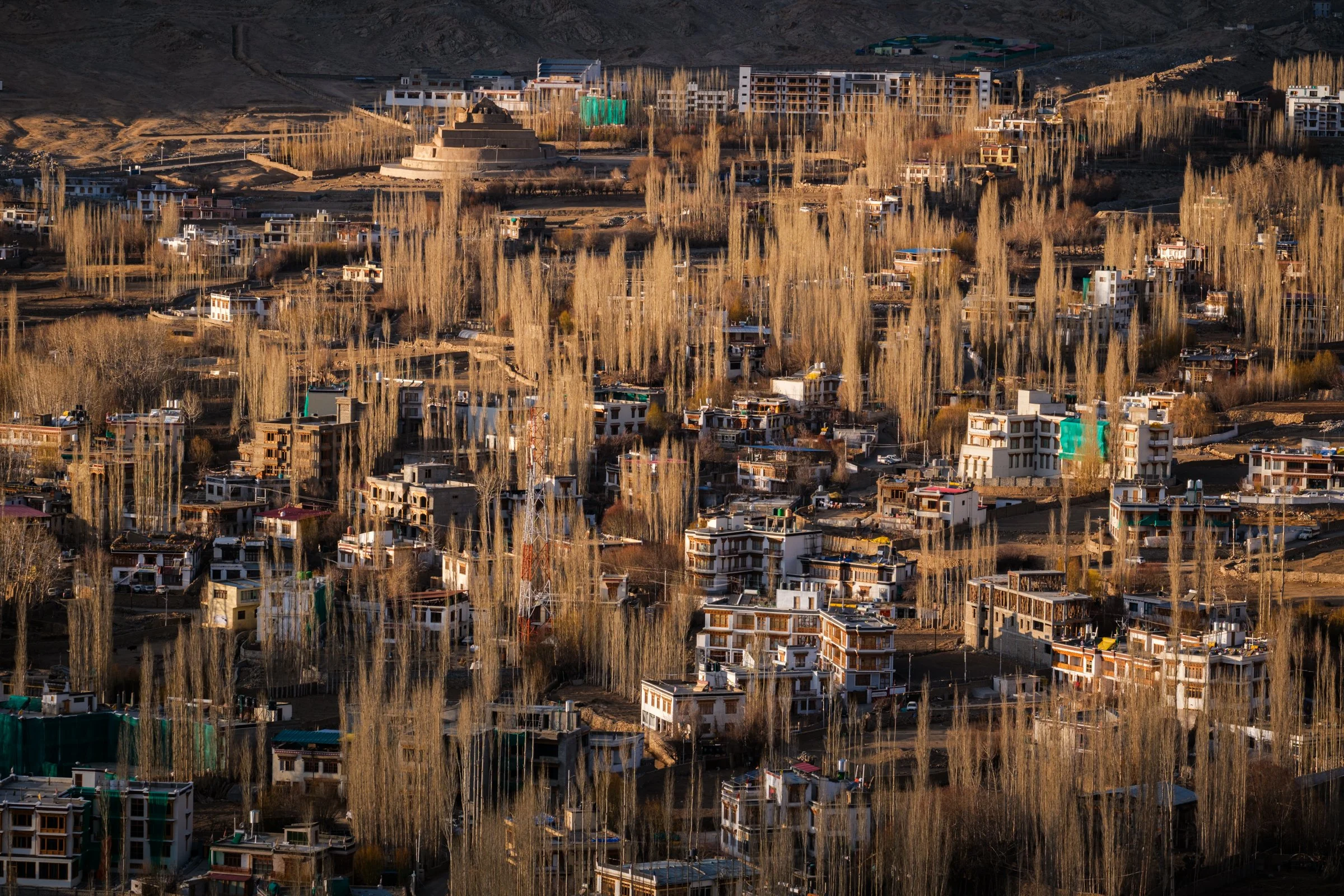
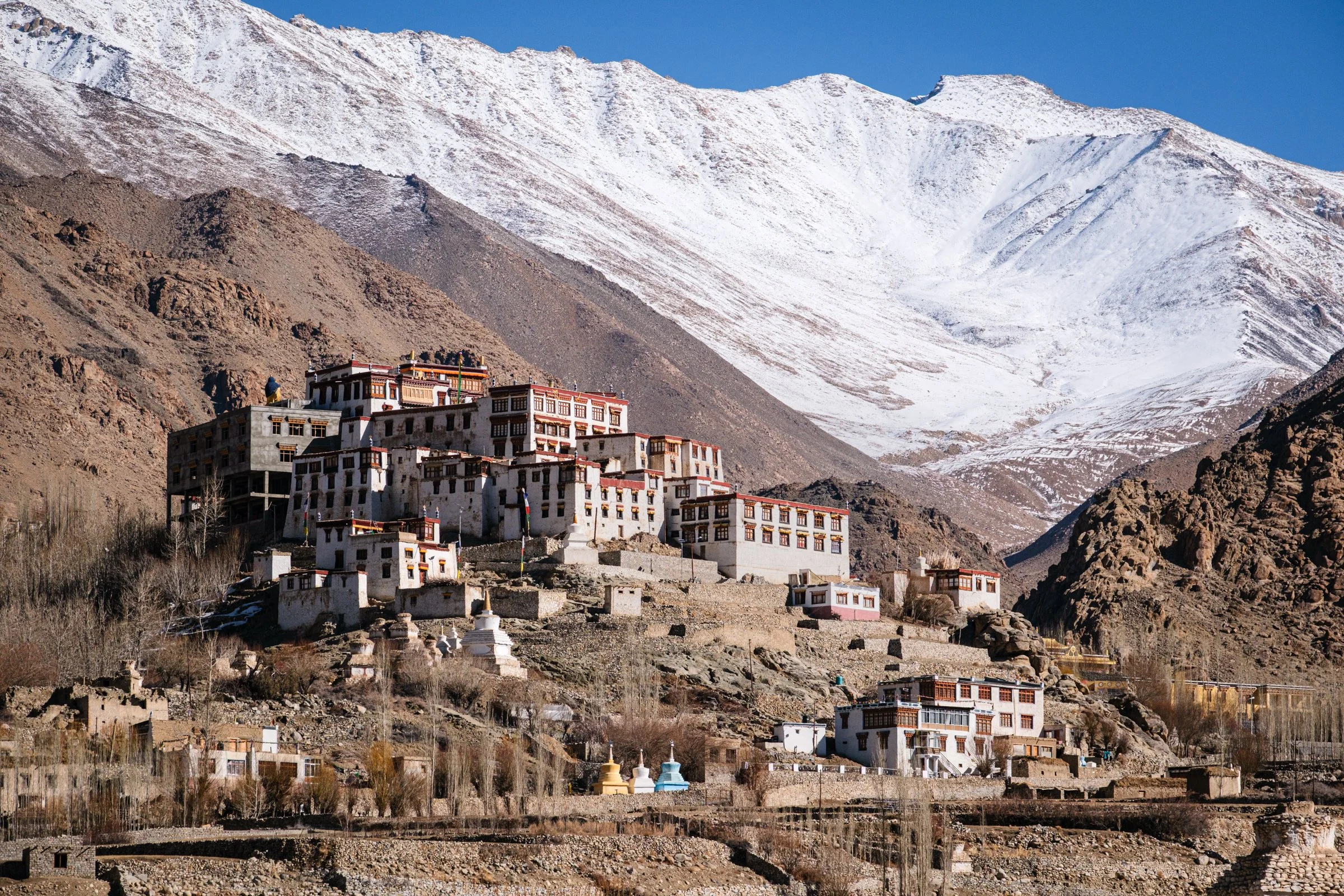
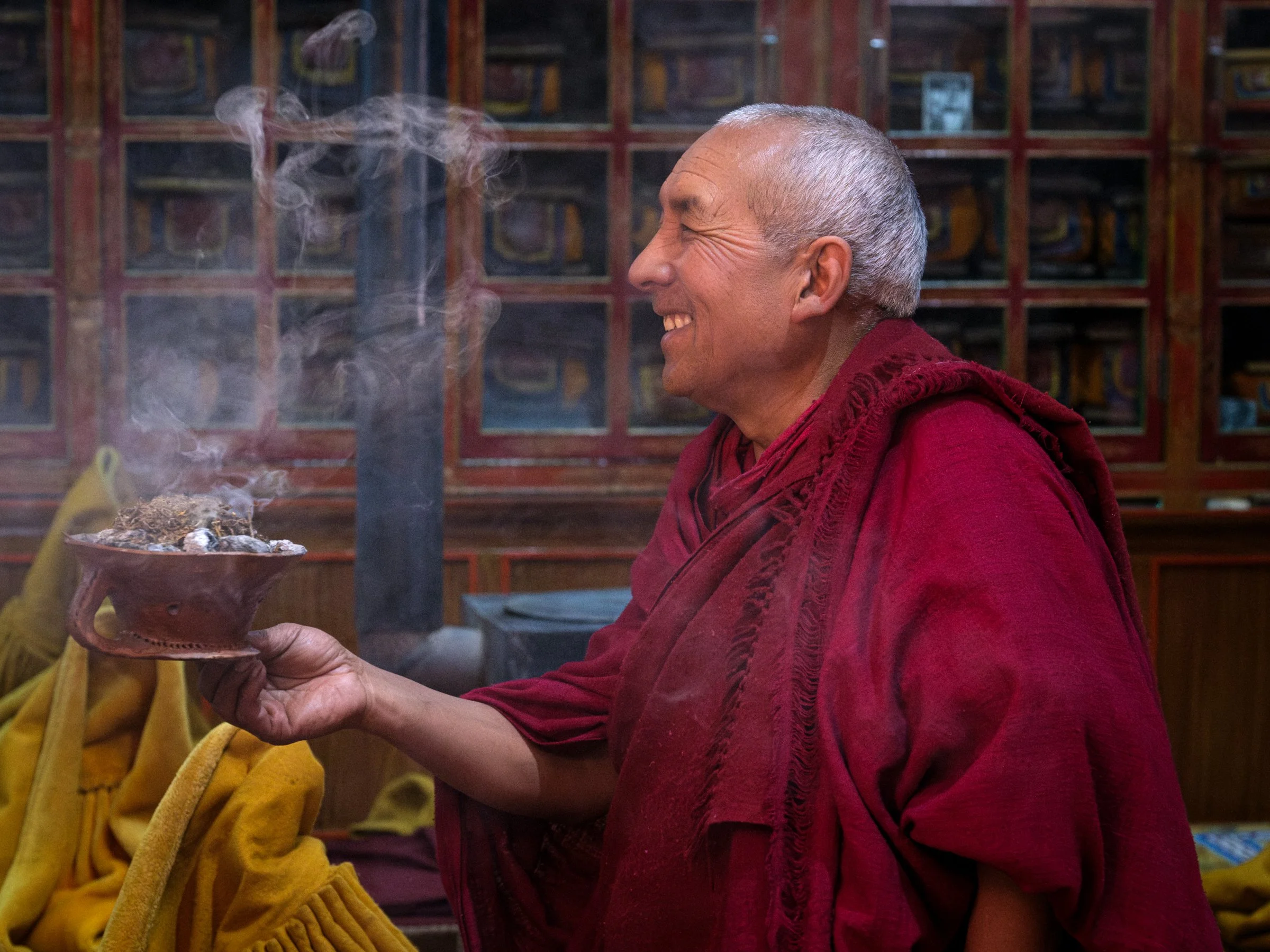
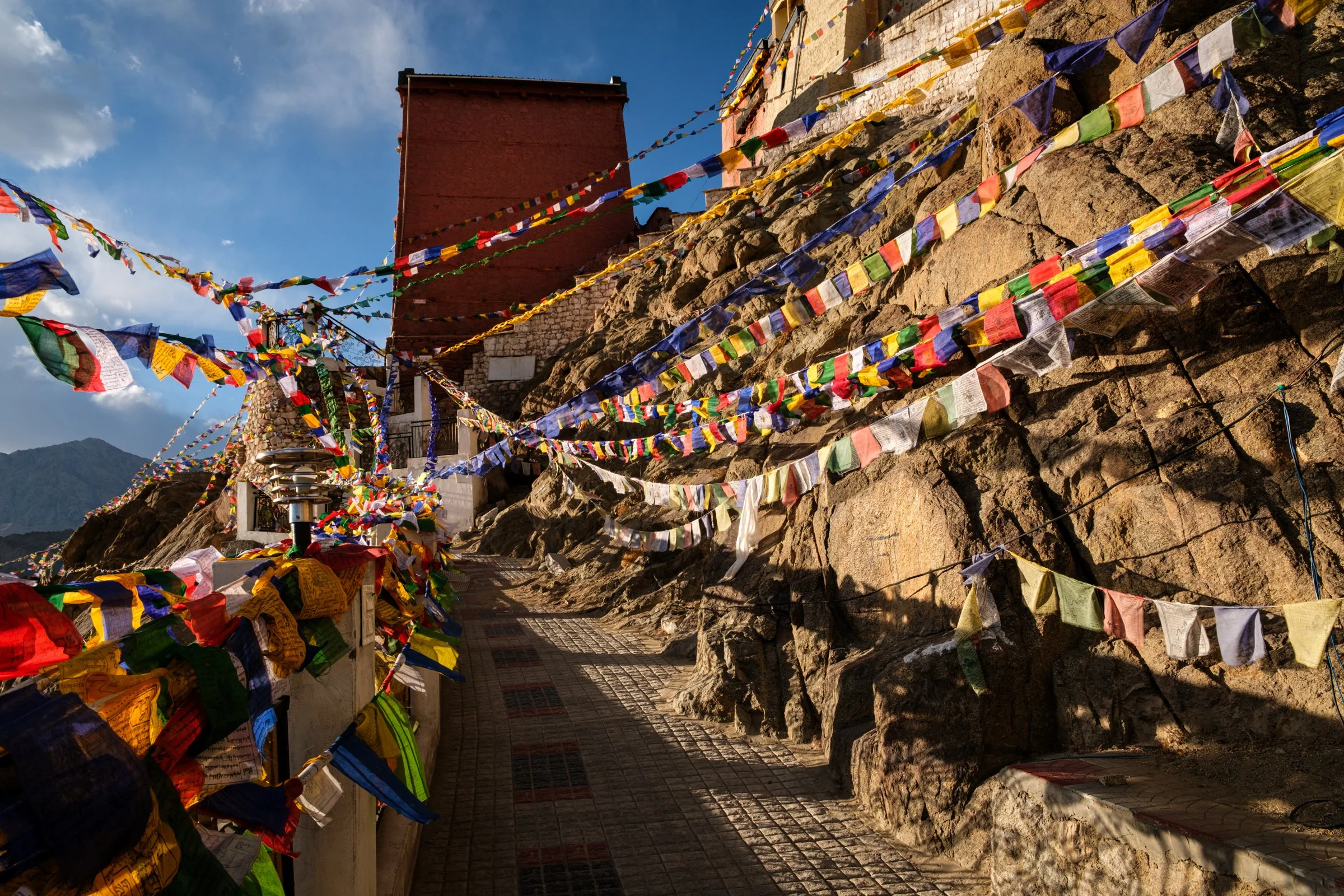
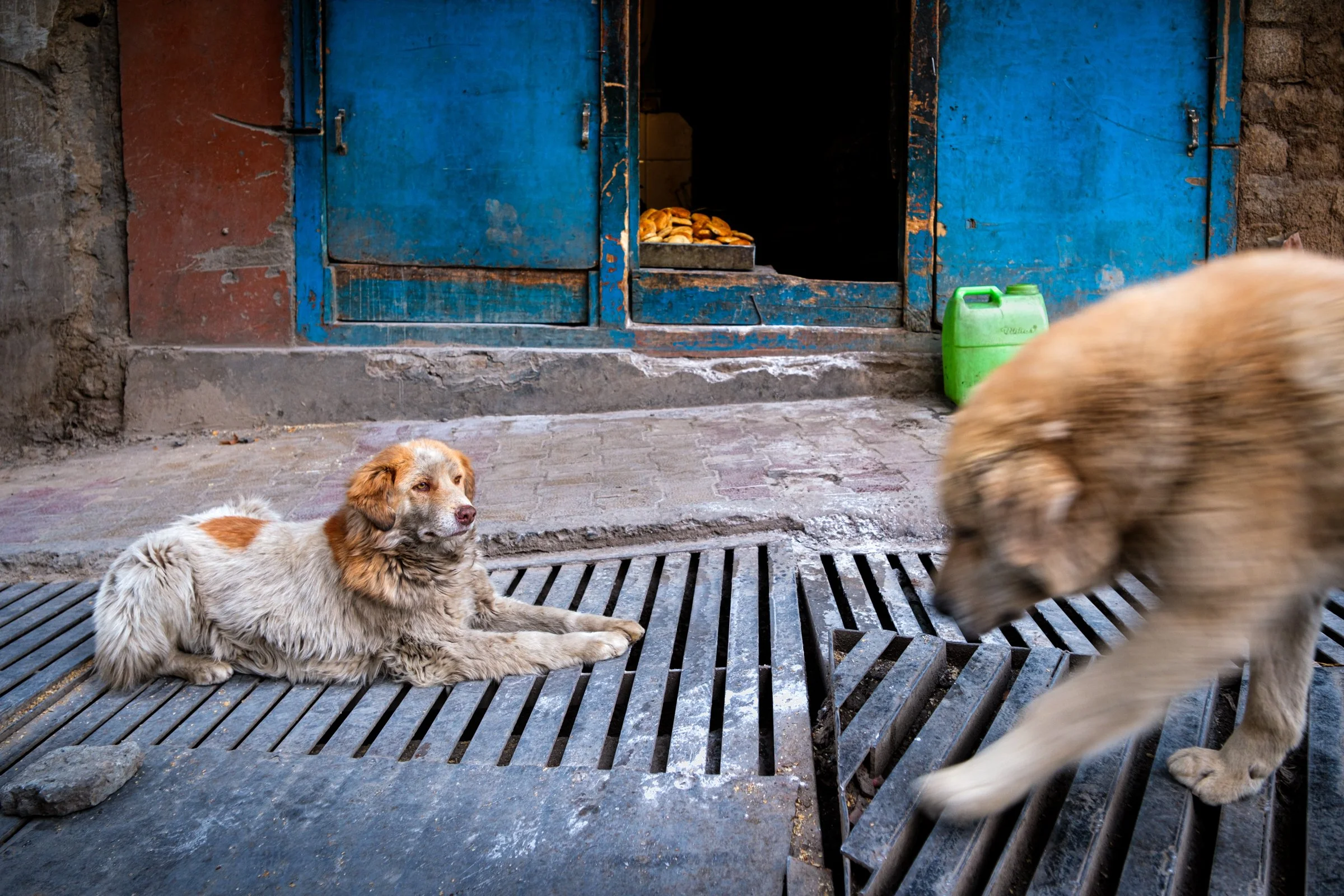
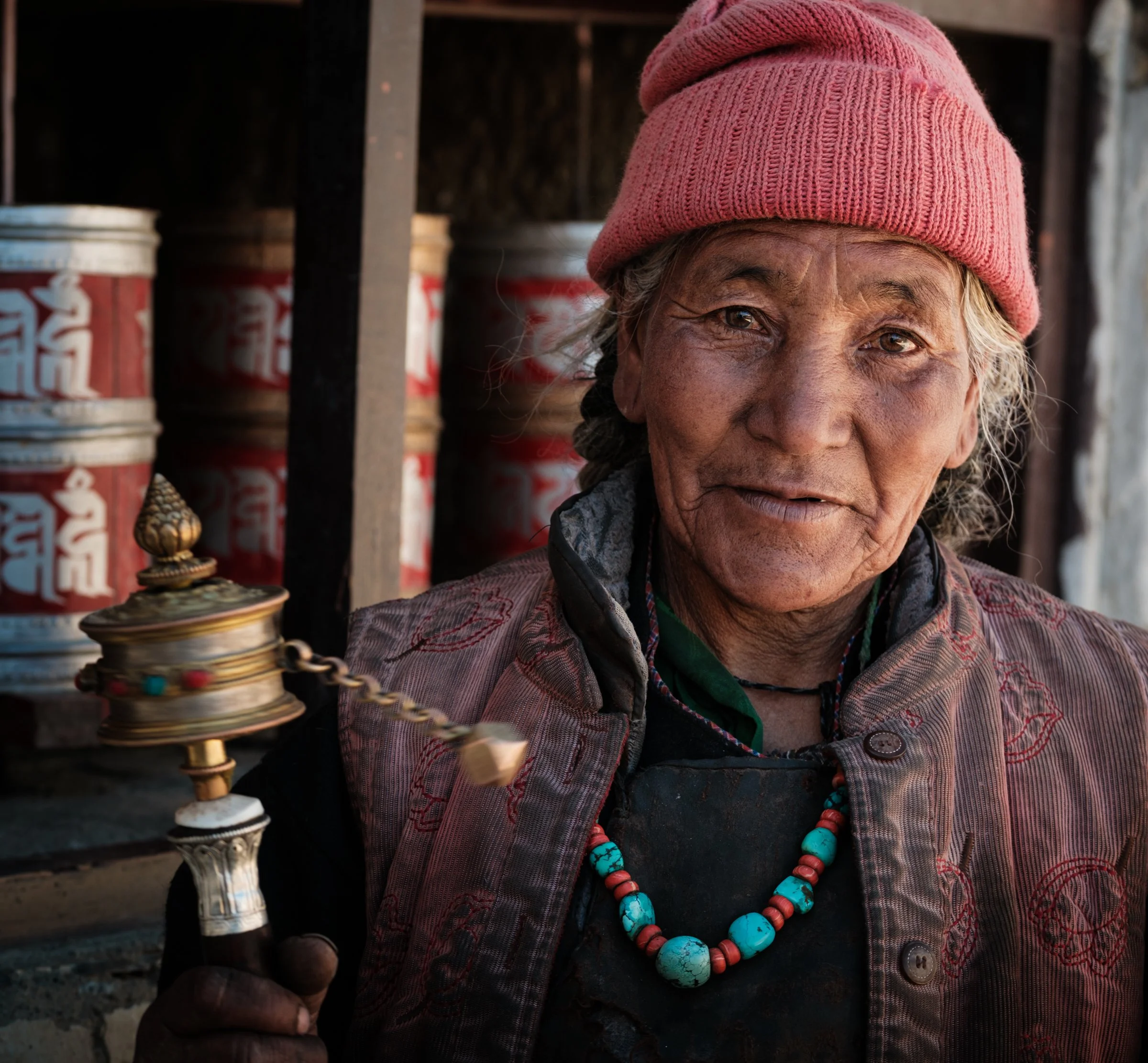
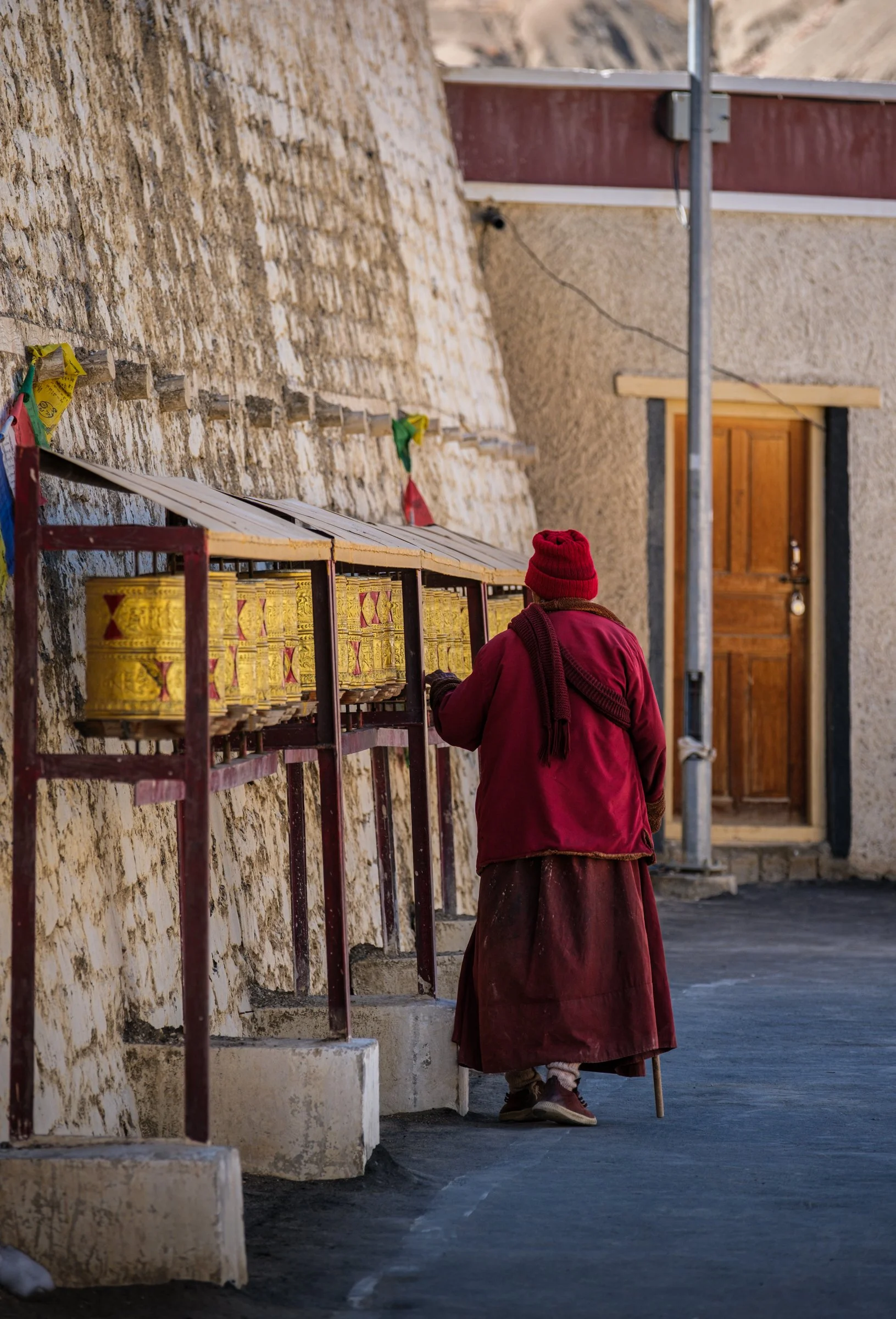
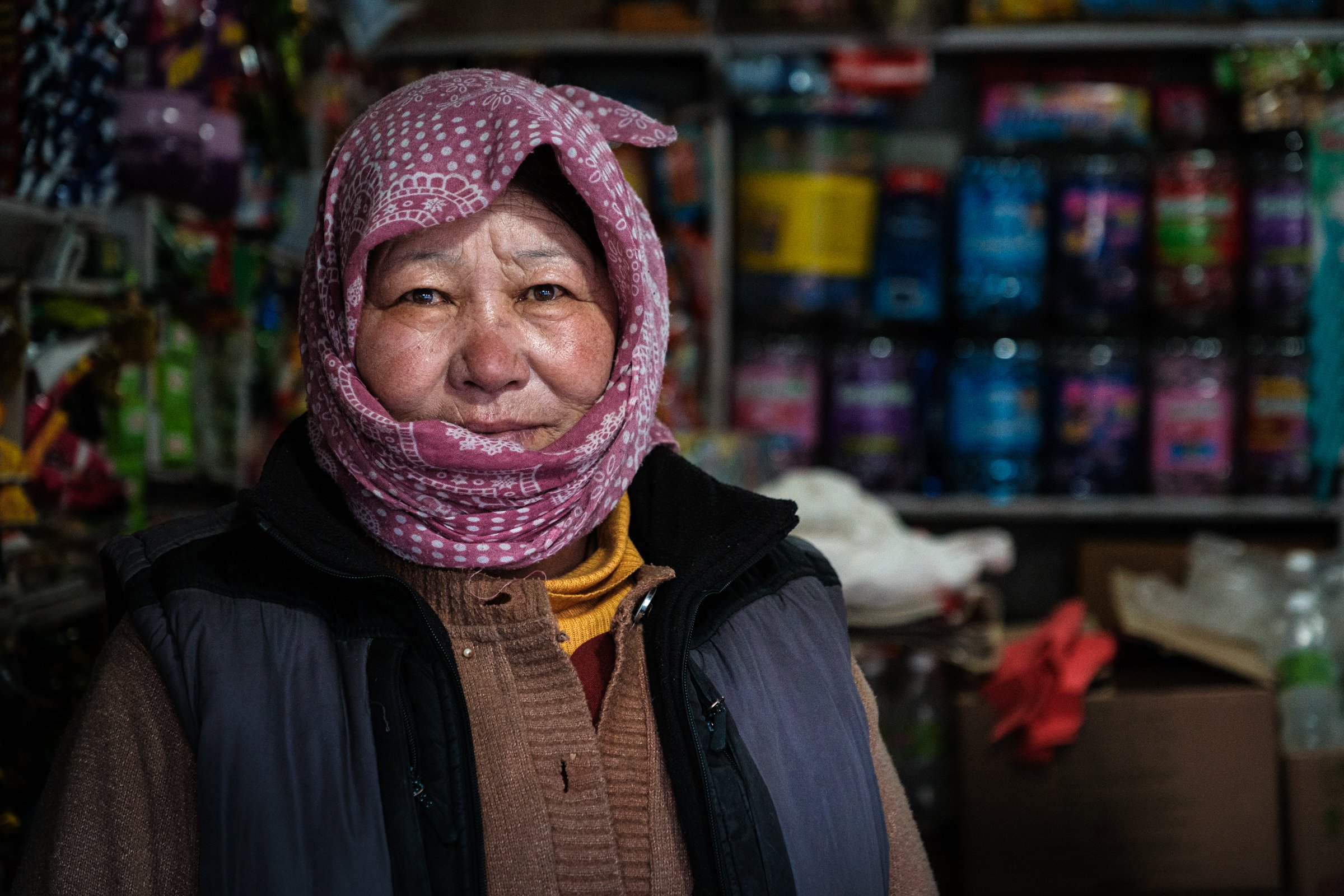
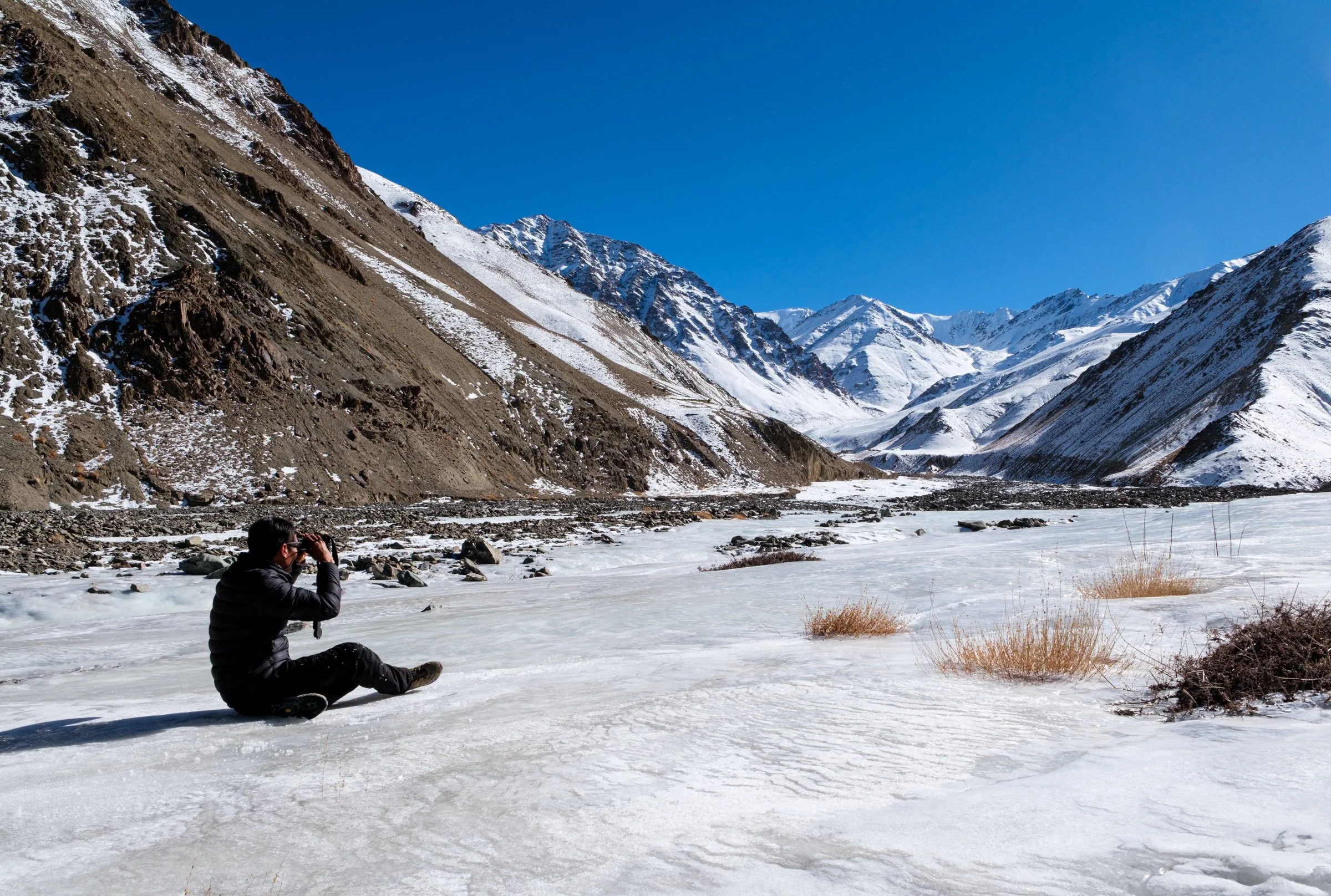
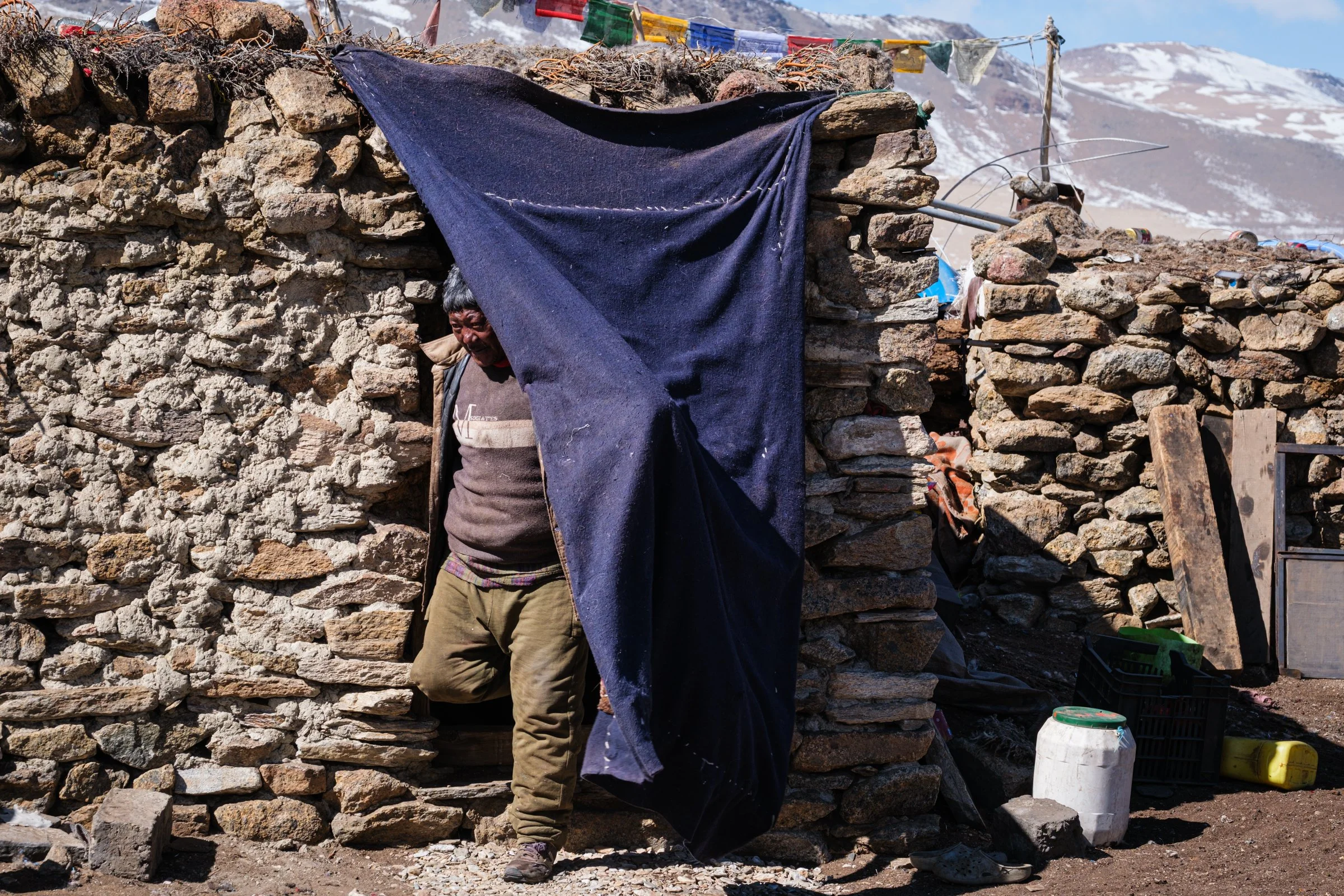
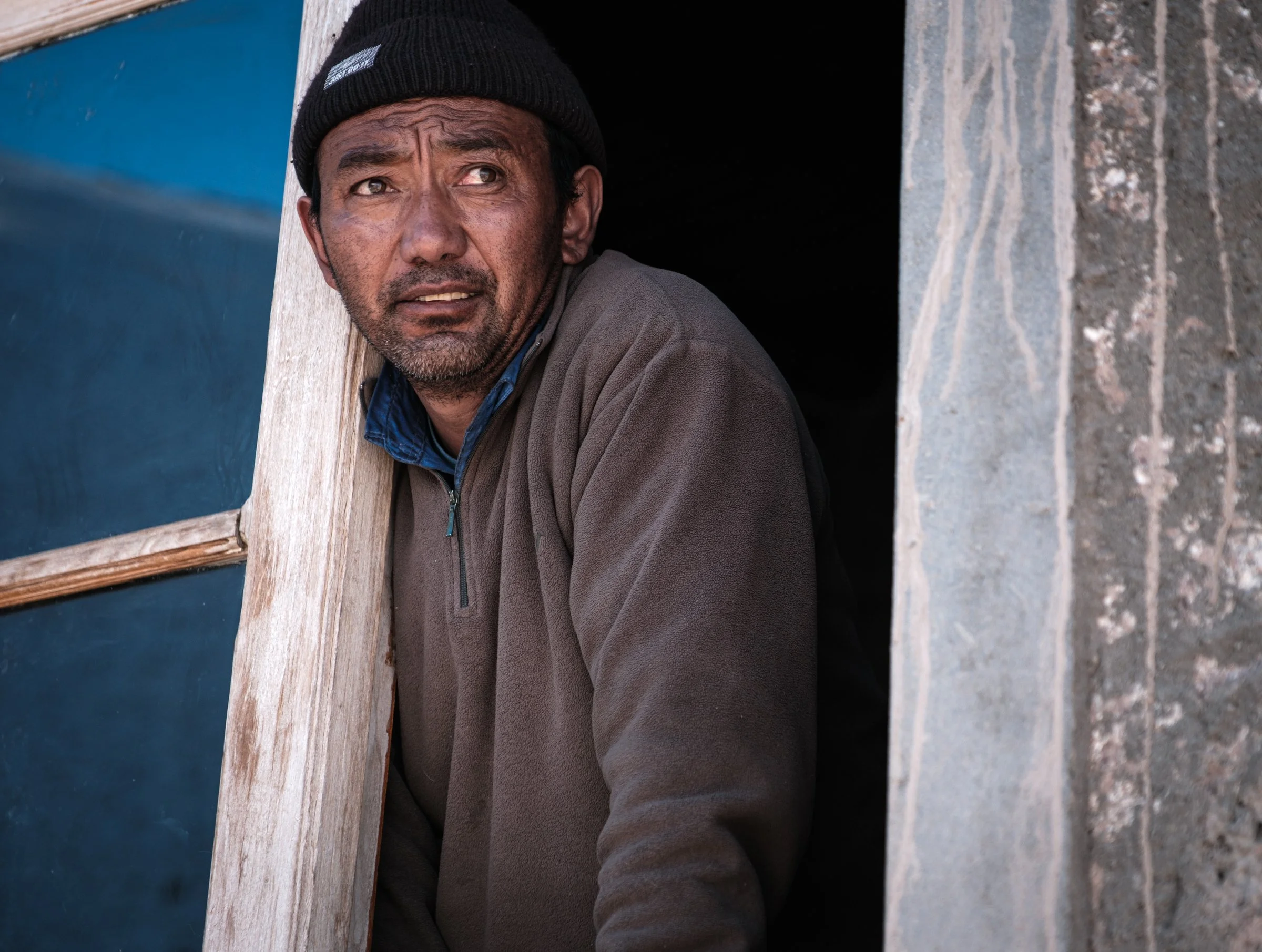
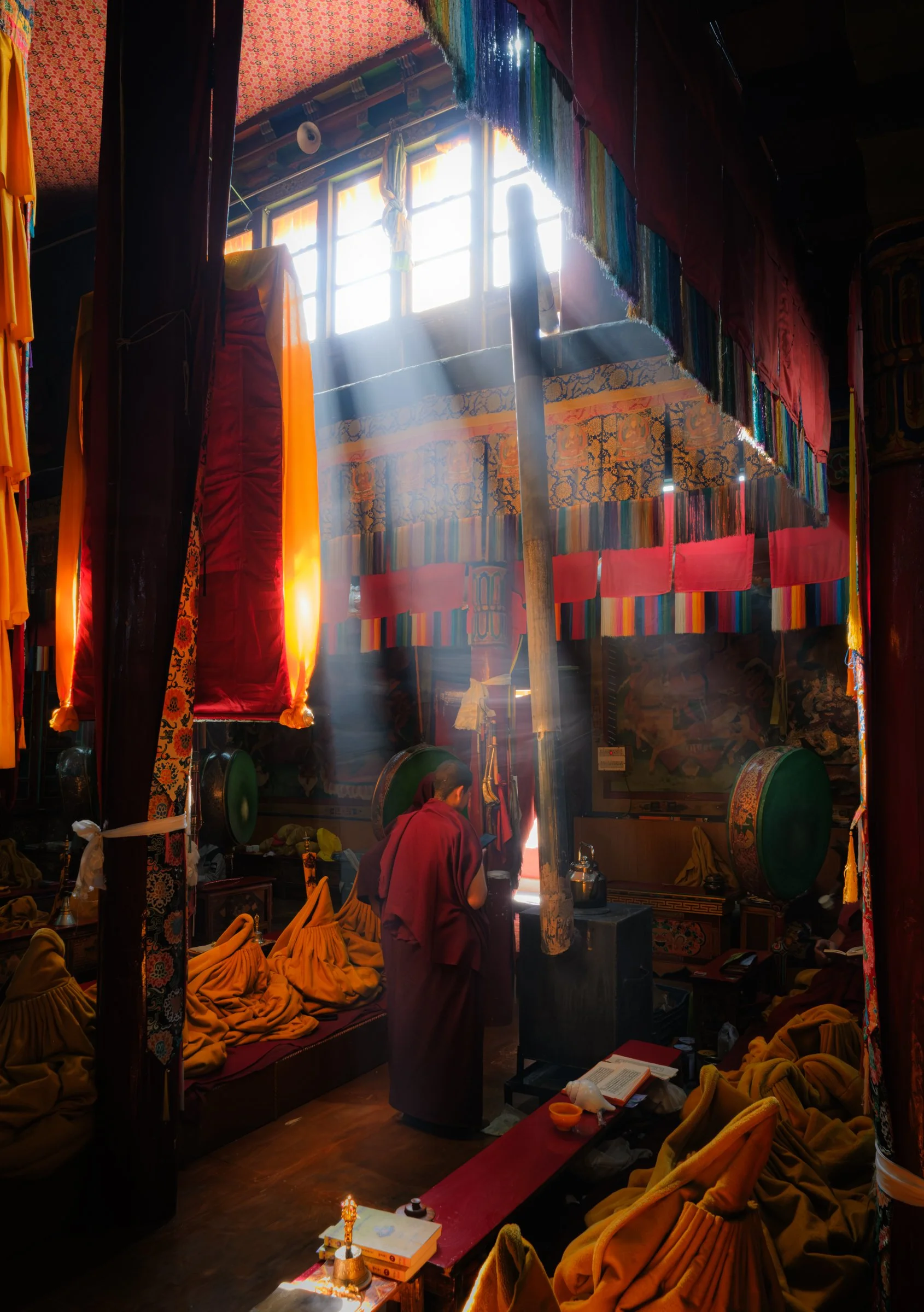
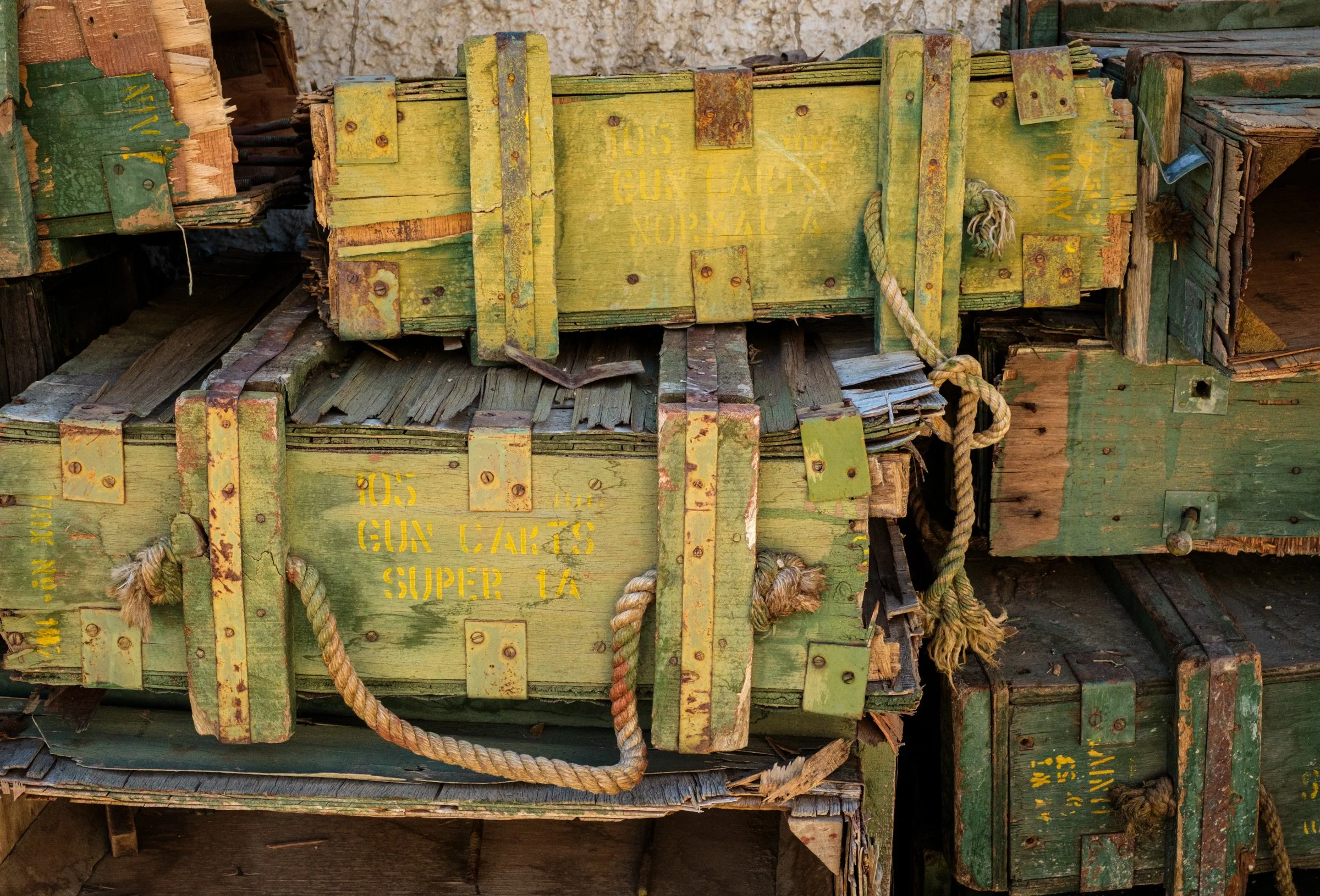
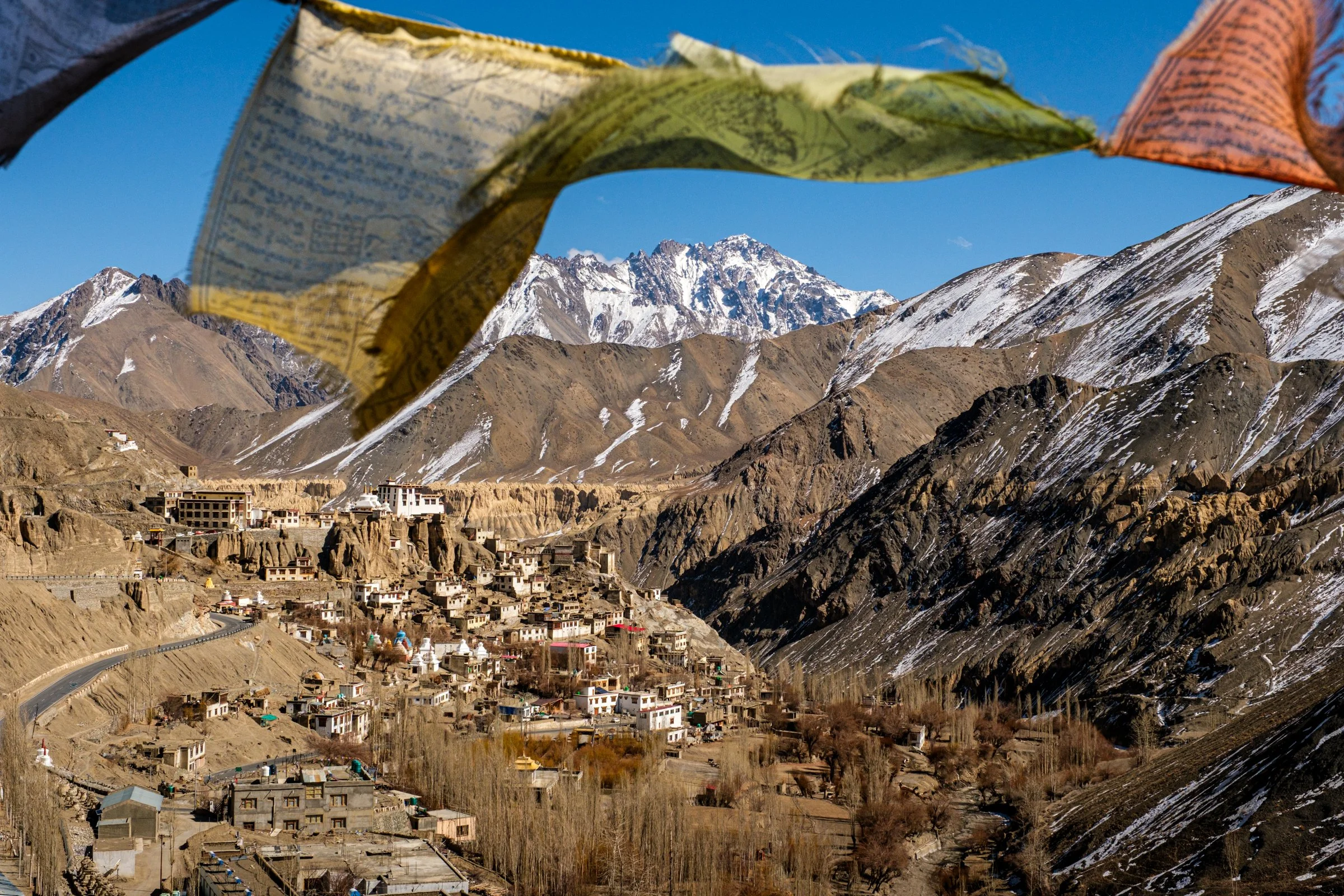
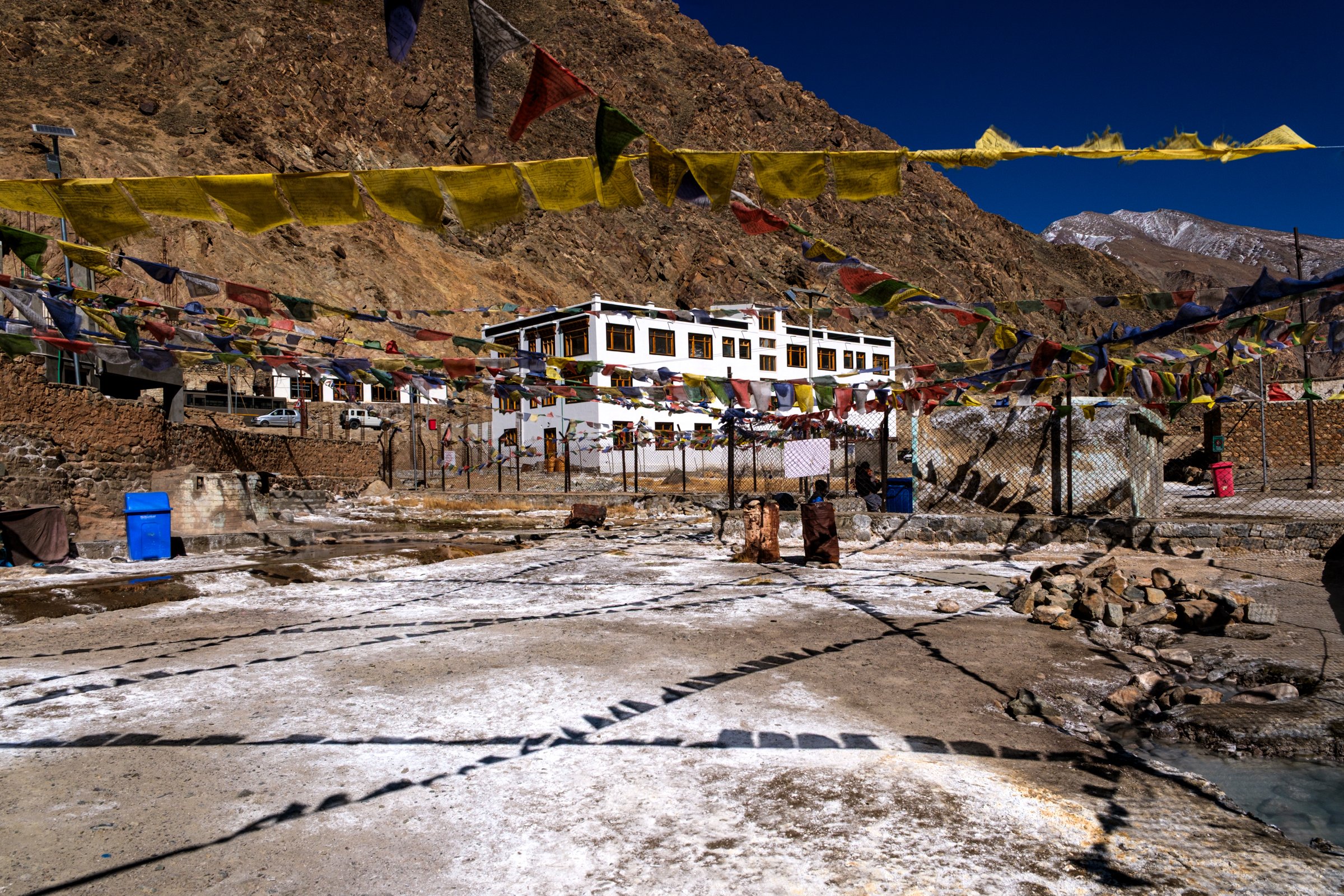
Some examples of what you can photograph in Ladakh
VIEW OUR OTHER PHOTO TOURS
-
KENYA
-
JAPAN
-

MOROCCO