
PERU PHOTO TOUR
Portraits of a Vanishing World 2027
This Peru portrait photography expedition covers three regions most photo tours never reach.
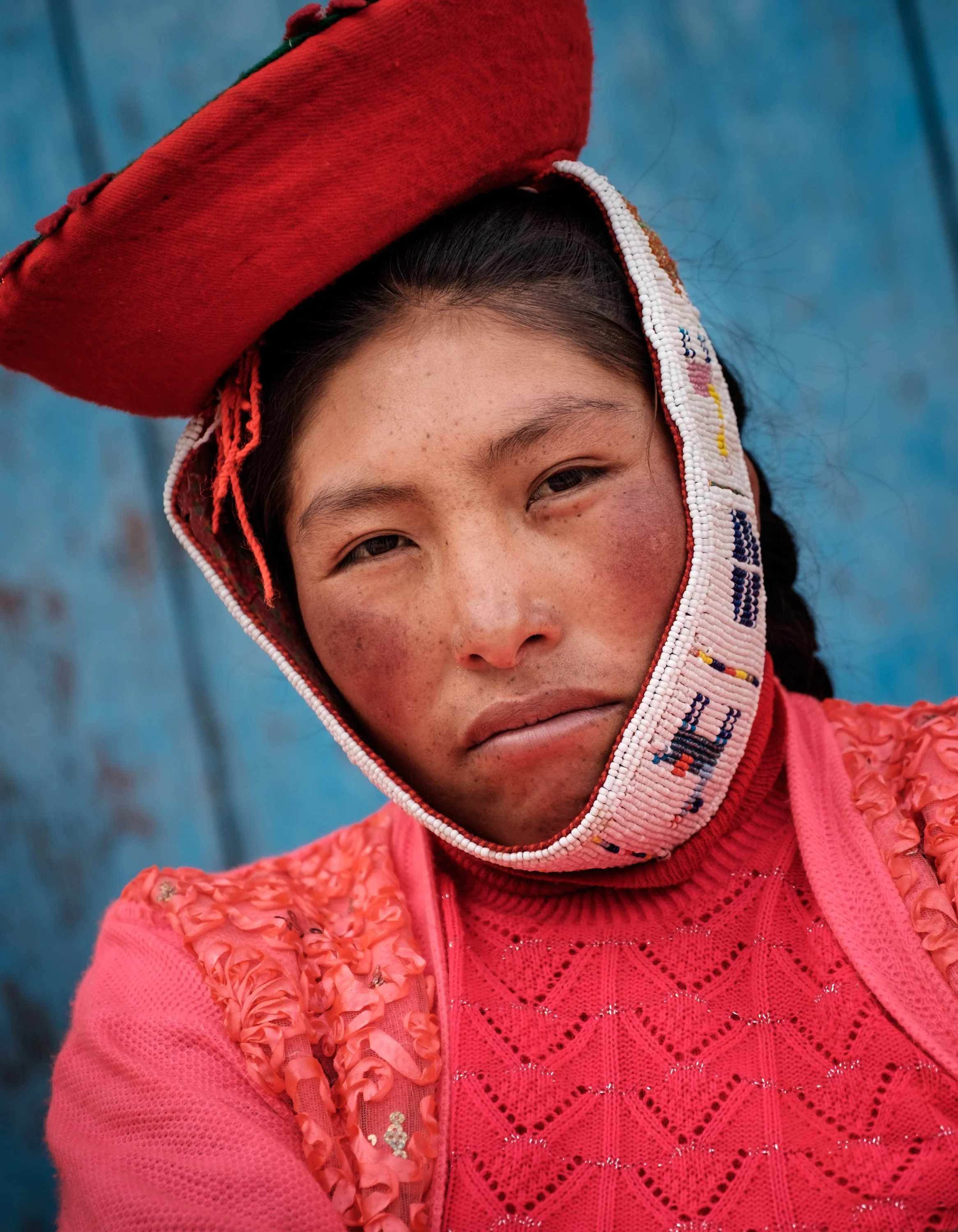
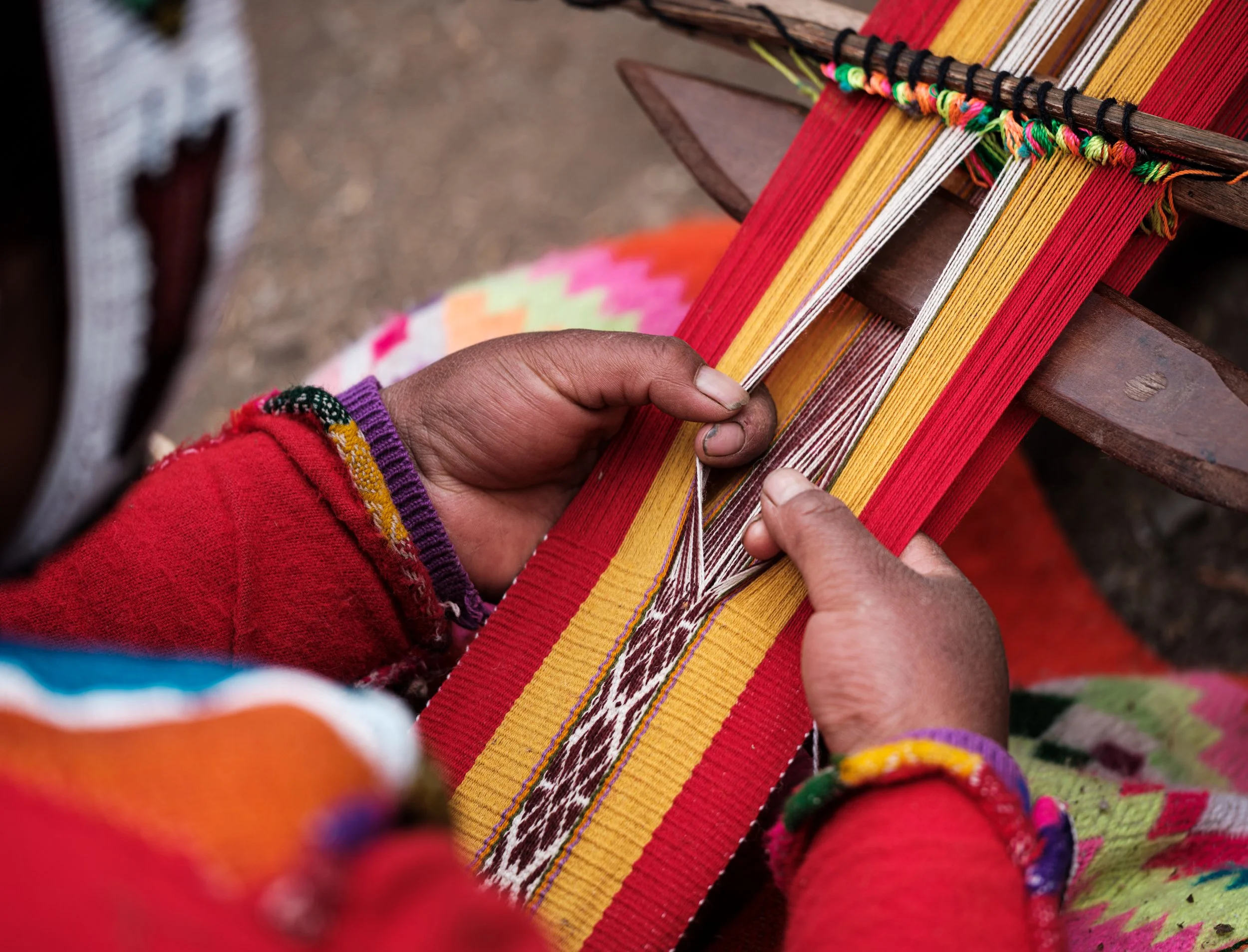
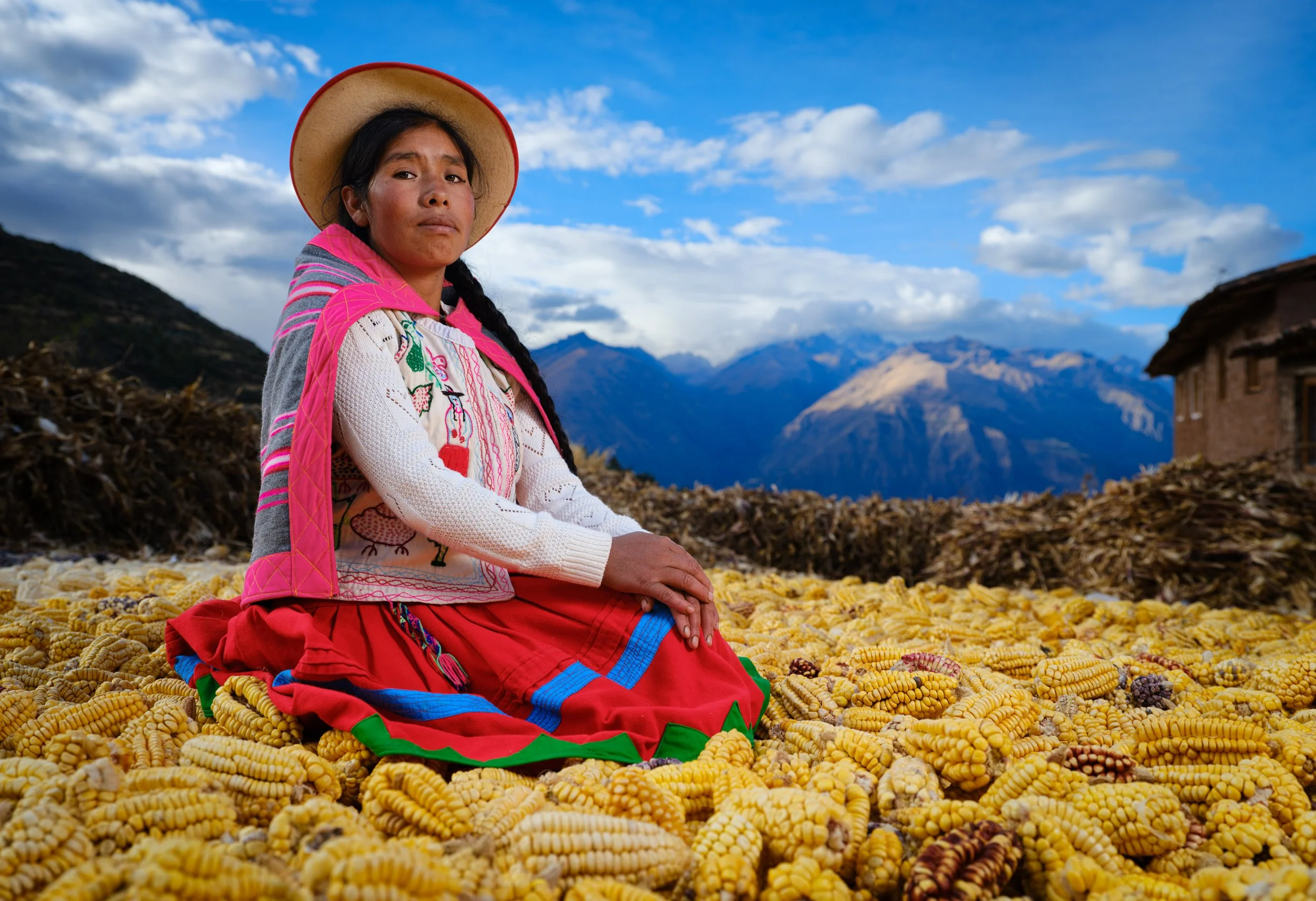
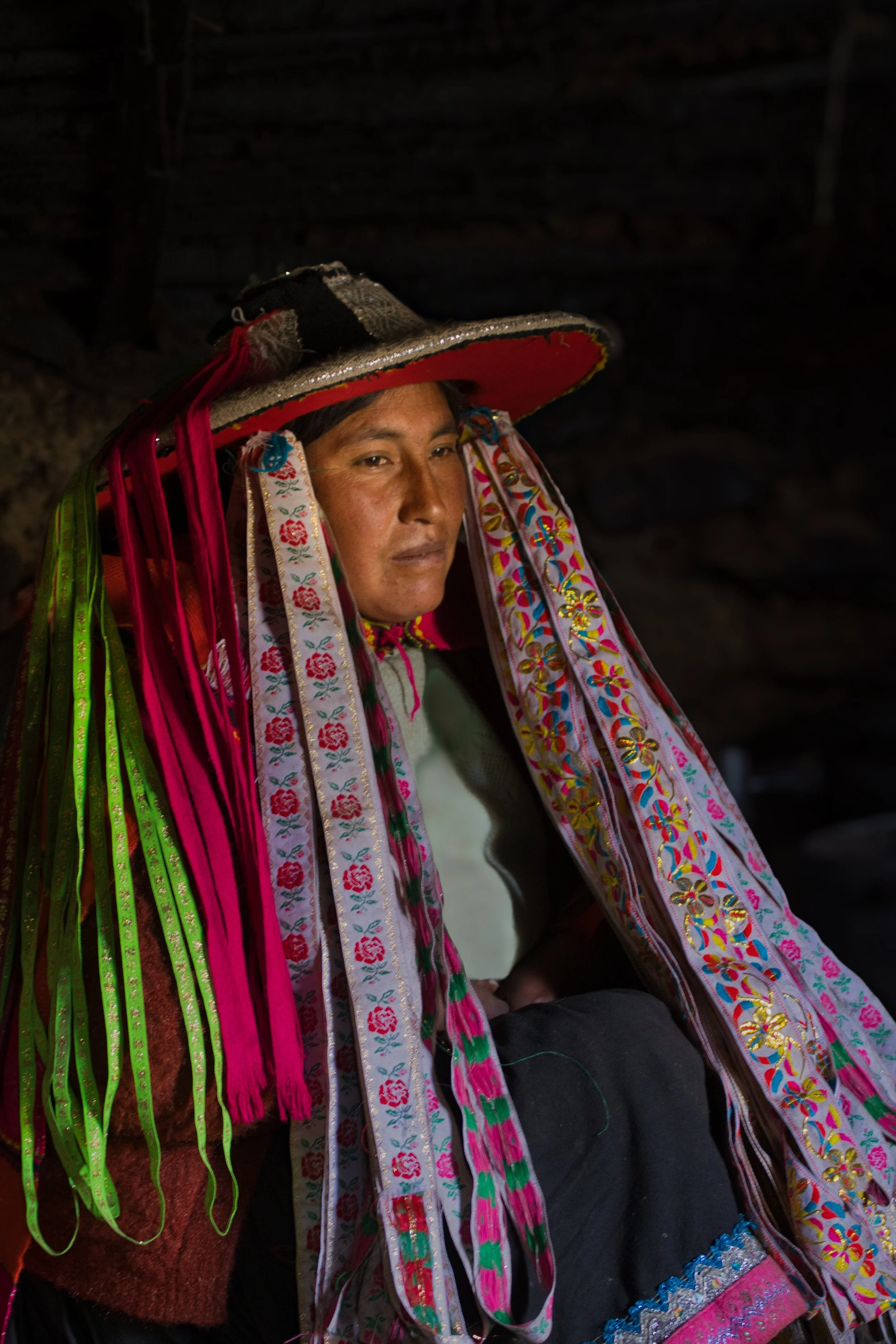
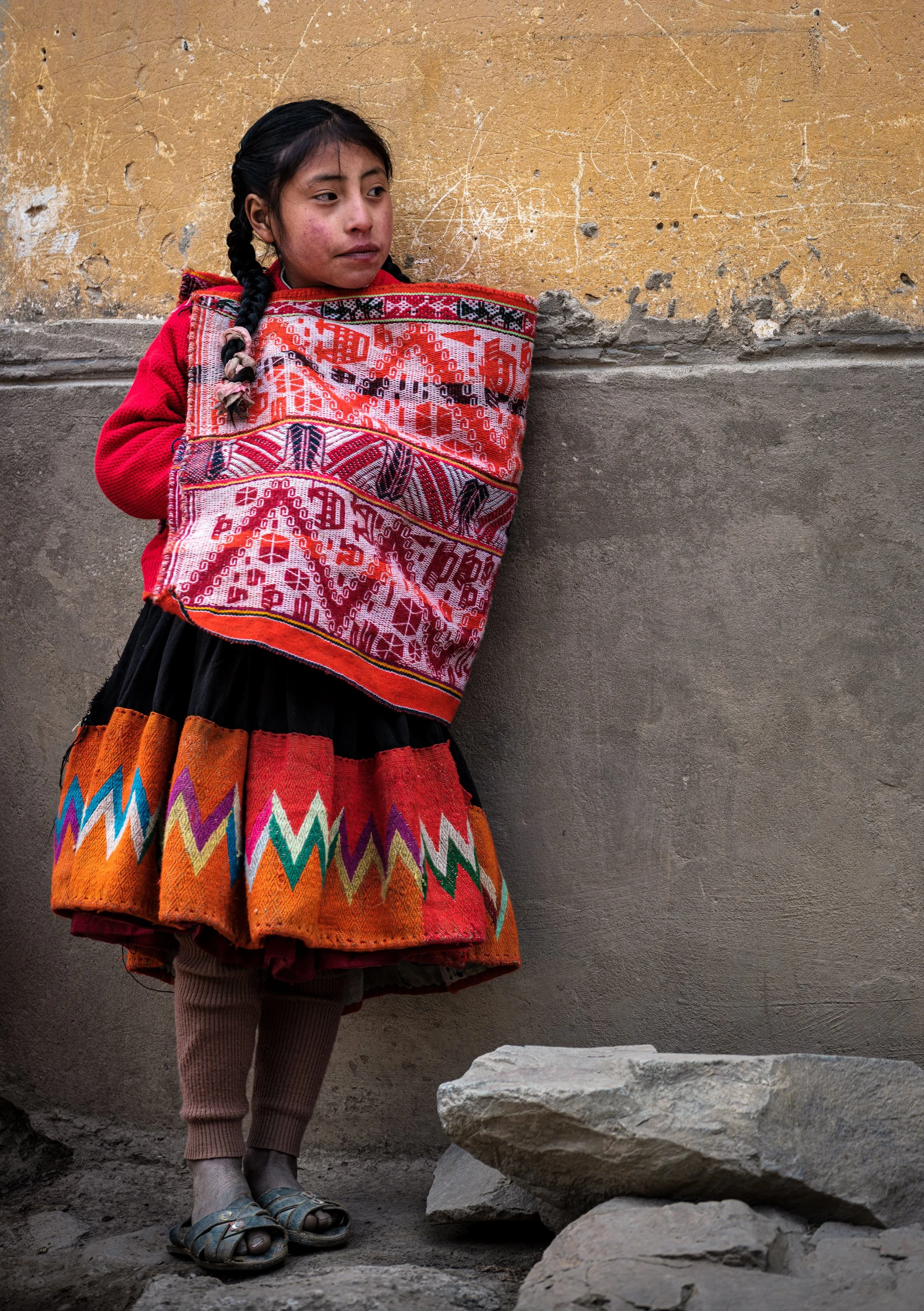
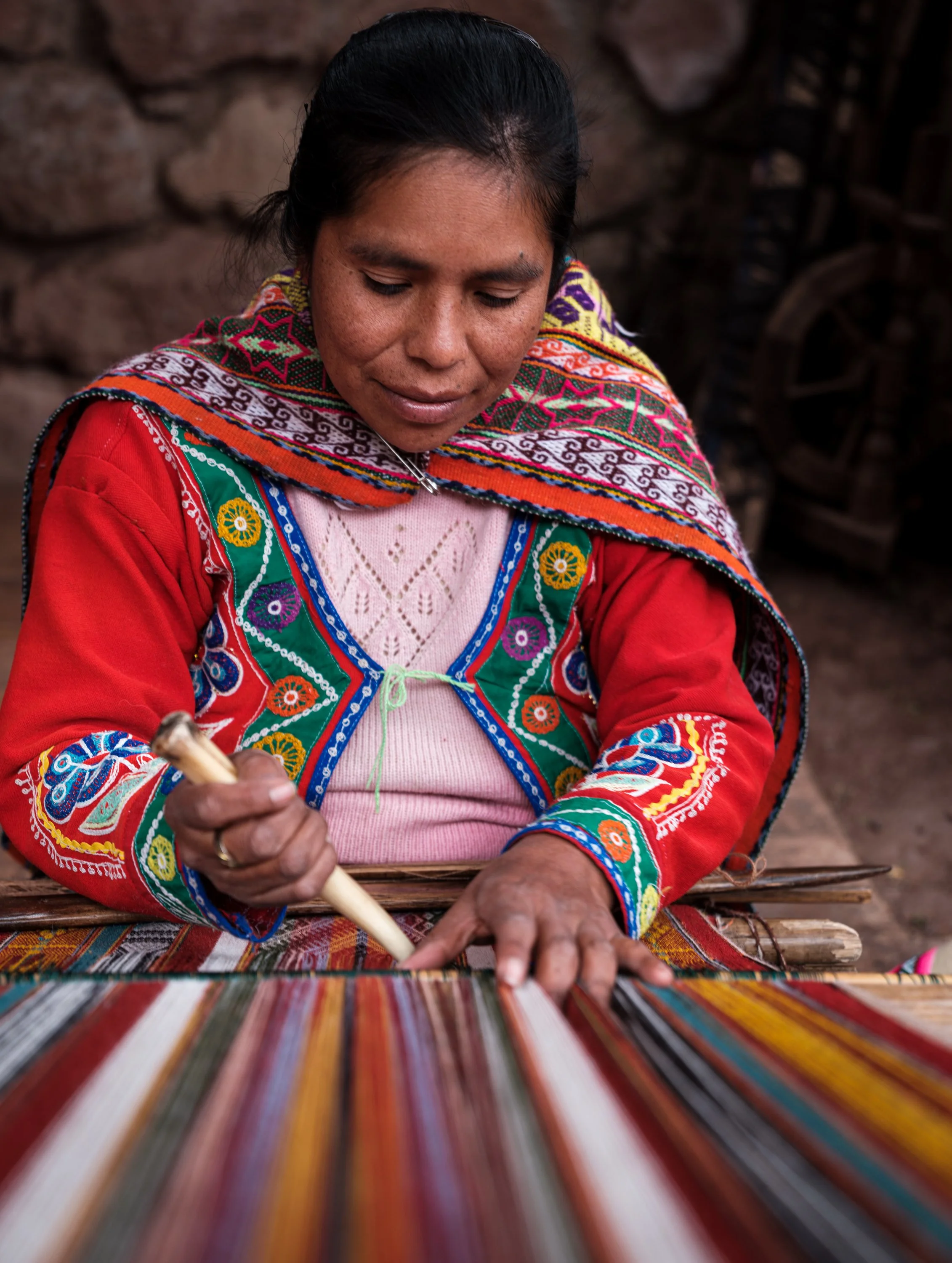
We begin in Willoq, an indigenous weaving community above the Sacred Valley, where women still produce textiles on backstrap looms using natural dyes passed down through generations.
From there, we travel into Q'eros territory, home to four remote highland villages and people considered the last direct descendants of the Inca.
The expedition closes on Lake Titicaca, photographing the Uros floating reed islands and the weaving community of Taquile Island.
These communities are changing. The chance to photograph them as they are today is not permanent.
Join our photo tour in Peru and make photographs that matter.

Trip Type
Photo Tour

Starts in
Cusco (CUZ)

Day One
February 14, 2027

Group Size
4-8 Participants

Activities
Portraits, Culture, Landscapes

Ends in
Lima (LIM)

Last Day
February 26, 2027

Fitness
Strenuous
Details
When: February 14-26, 2027
Price: $6,685
Single Room Supplement*: $890
Deposit: $995 US Dollars to secure your spot.
Balance: Due 90 days before departure. Full terms and conditions in FAQ.
Who: Open to all skill levels; non-photographer spouses are welcome.
Group Size: Minimum 4 People, Maximum 8 People.
Where: This photo tour starts in Cusco and ends in Lima.
Fitness Level: Most of our travel between locations is by vehicle, so the physical demands are manageable for anyone in reasonable health. You will walk and hike on some days, occasionally on uneven terrain, and you should be comfortable carrying your camera kit and a daypack. The altitude is the main thing to prepare for — Q'eros villages sit between 3,900m and 4,500m (12,800ft to 14,760ft), and we recommend speaking with your doctor before the trip about altitude preparation. Nights in Q'eros are spent inside family homes with basic facilities — no running water or showers for four nights, with a portable toilet provided. If you are in good general health and up for a genuine adventure, this expedition is well within reach.
The tour is open to all levels of photographic skills, from beginner to experienced. However, there will be no formal workshops or critiques. We will share knowledge and skills along the way in the spirit of real adventurers.
*Tour prices are set for double occupancy, so unless you travel with a friend or spouse, you'll need the single supplement. If you're traveling alone and choose not to book a single supplement, we'll try to pair you with another participant who also seeks to share.
Roommate pairings are not guaranteed; we'll always pair you with someone of the same gender. However, the single supplement fee will apply if we can't match you with another guest.
Why join this Peru photo tour expedition?
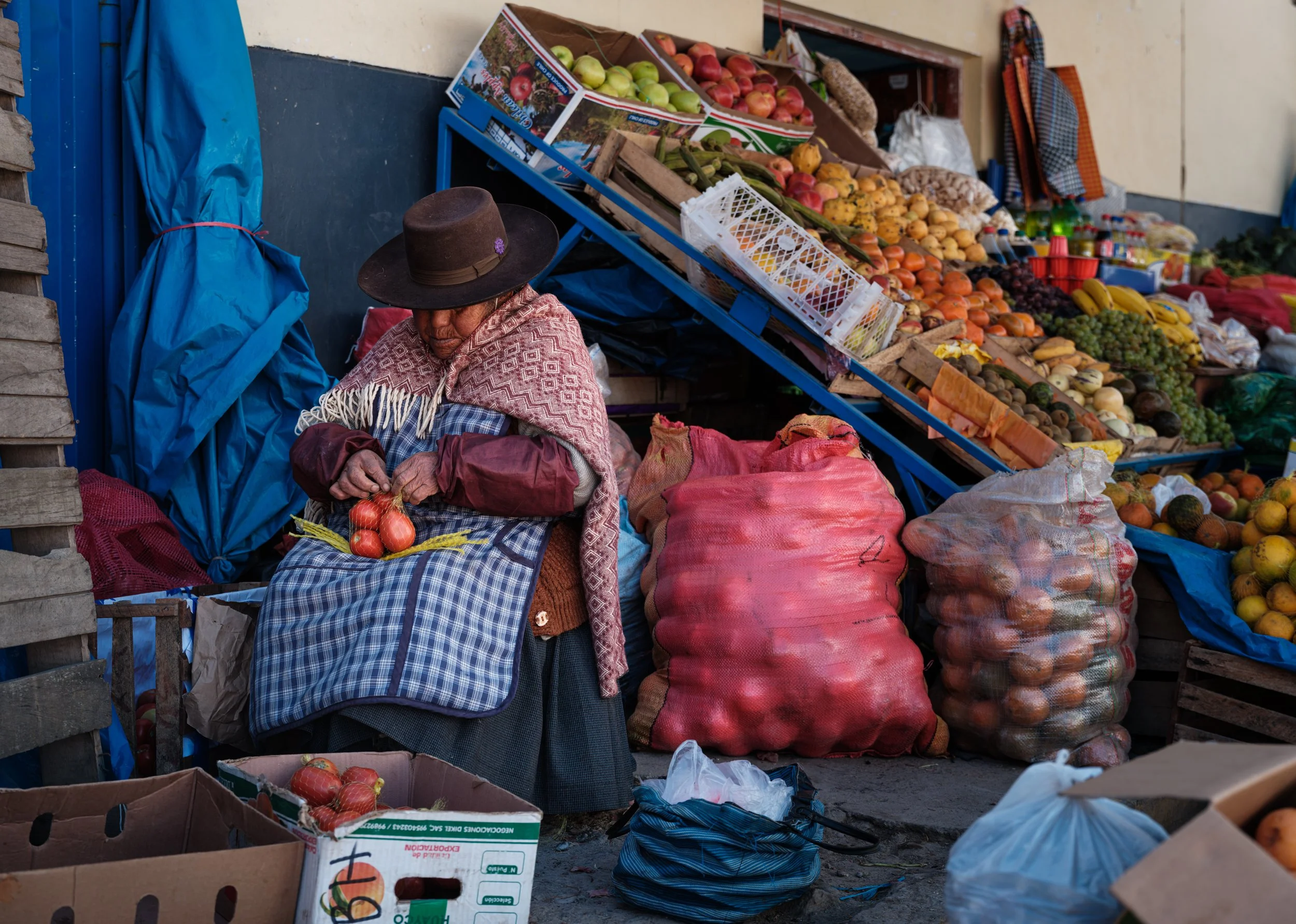
Most Peru photo tours visit the same places. The Cusco market. The Pisac ruins. Machu Picchu at sunrise with forty other photographers. This expedition is built around what those tours miss.
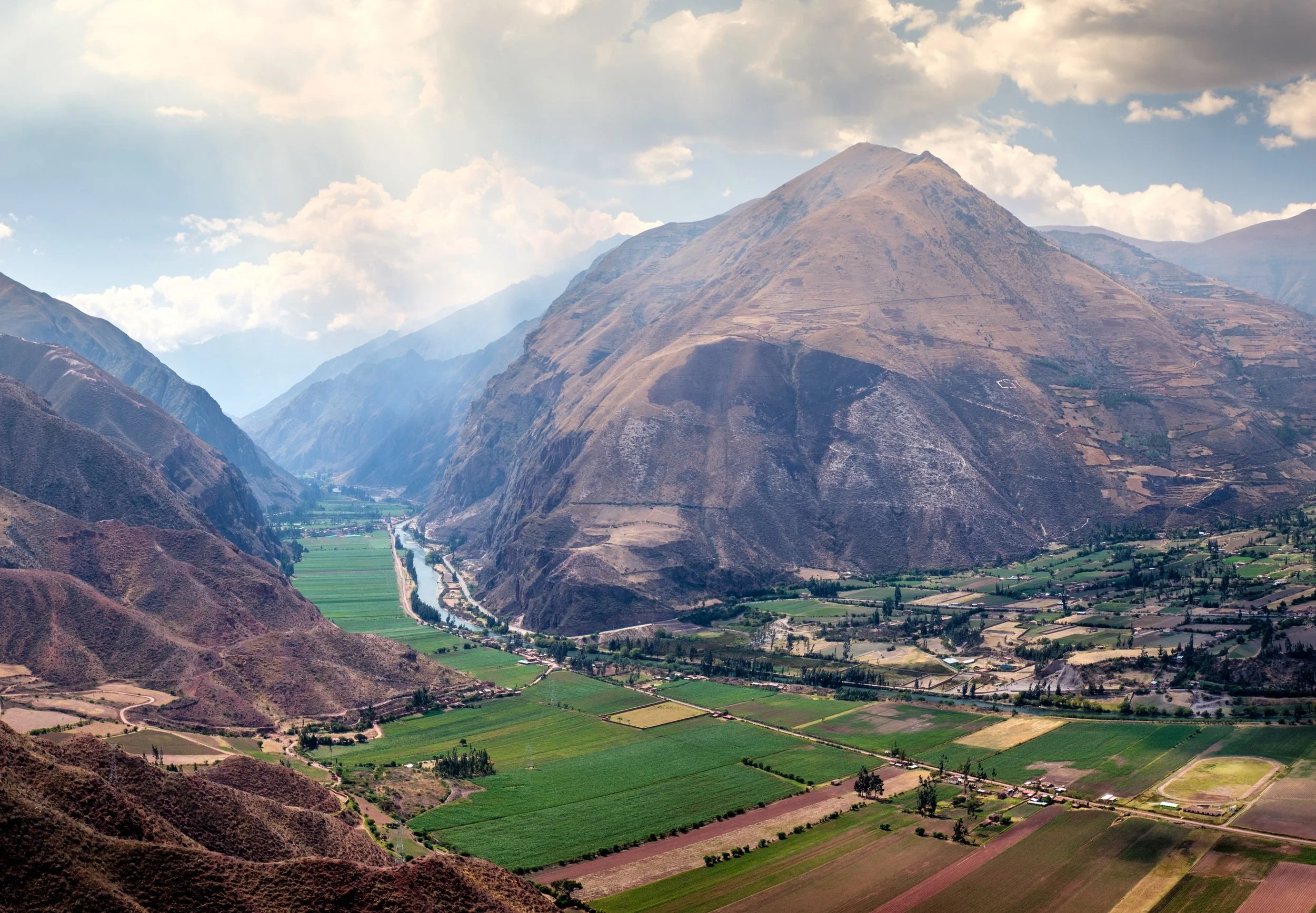
Willoq. A Quechua weaving community above Ollantaytambo at 3,800m (12,470ft) in the Sacred Valley. The women here work backstrap looms the way their grandmothers did, dyeing yarn with cochineal, indigo, and local plants. It is a working village, not a cultural demonstration, and the portrait opportunities in that morning light against the Andean terracing are exceptional. This is where the expedition finds its footing before heading higher.
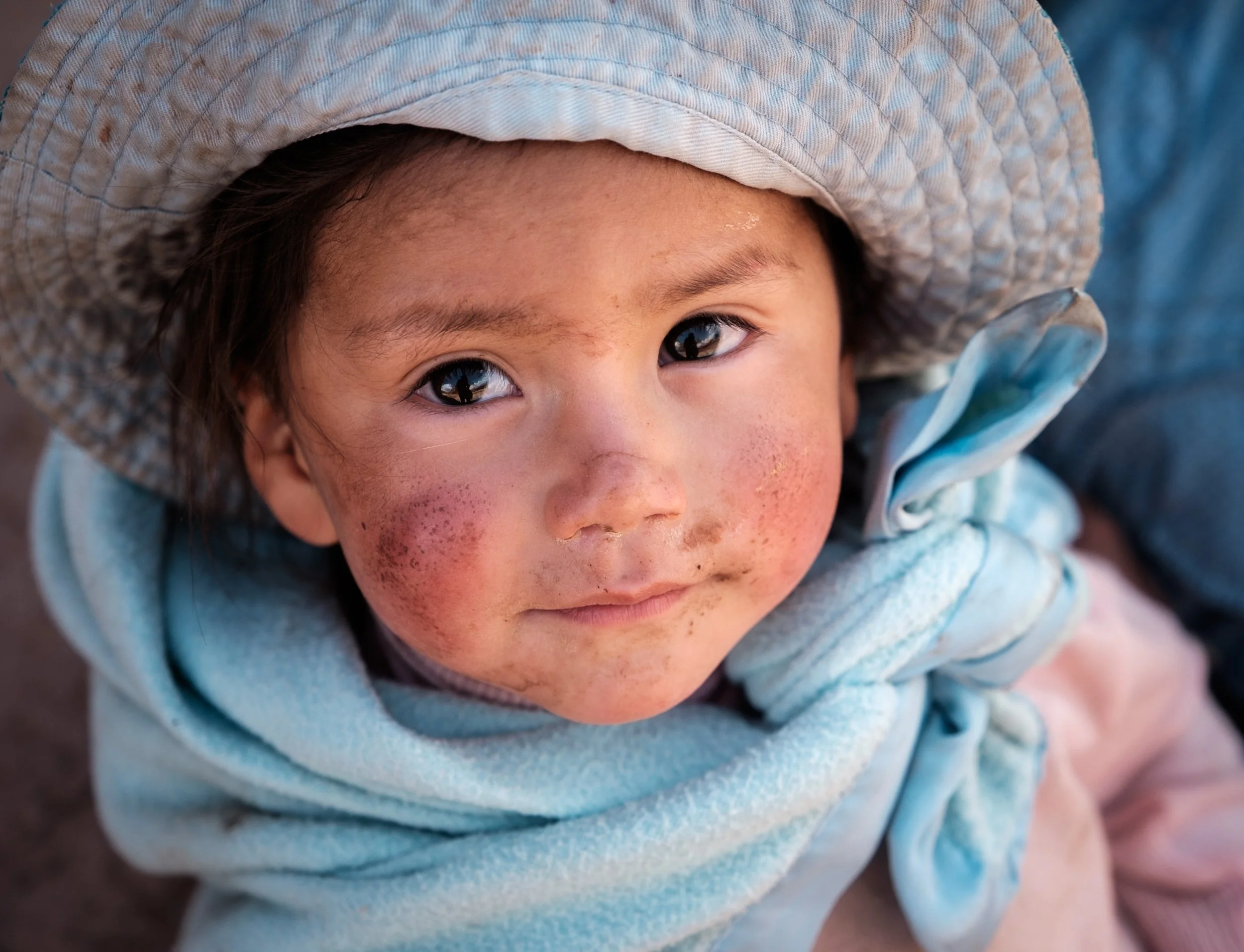
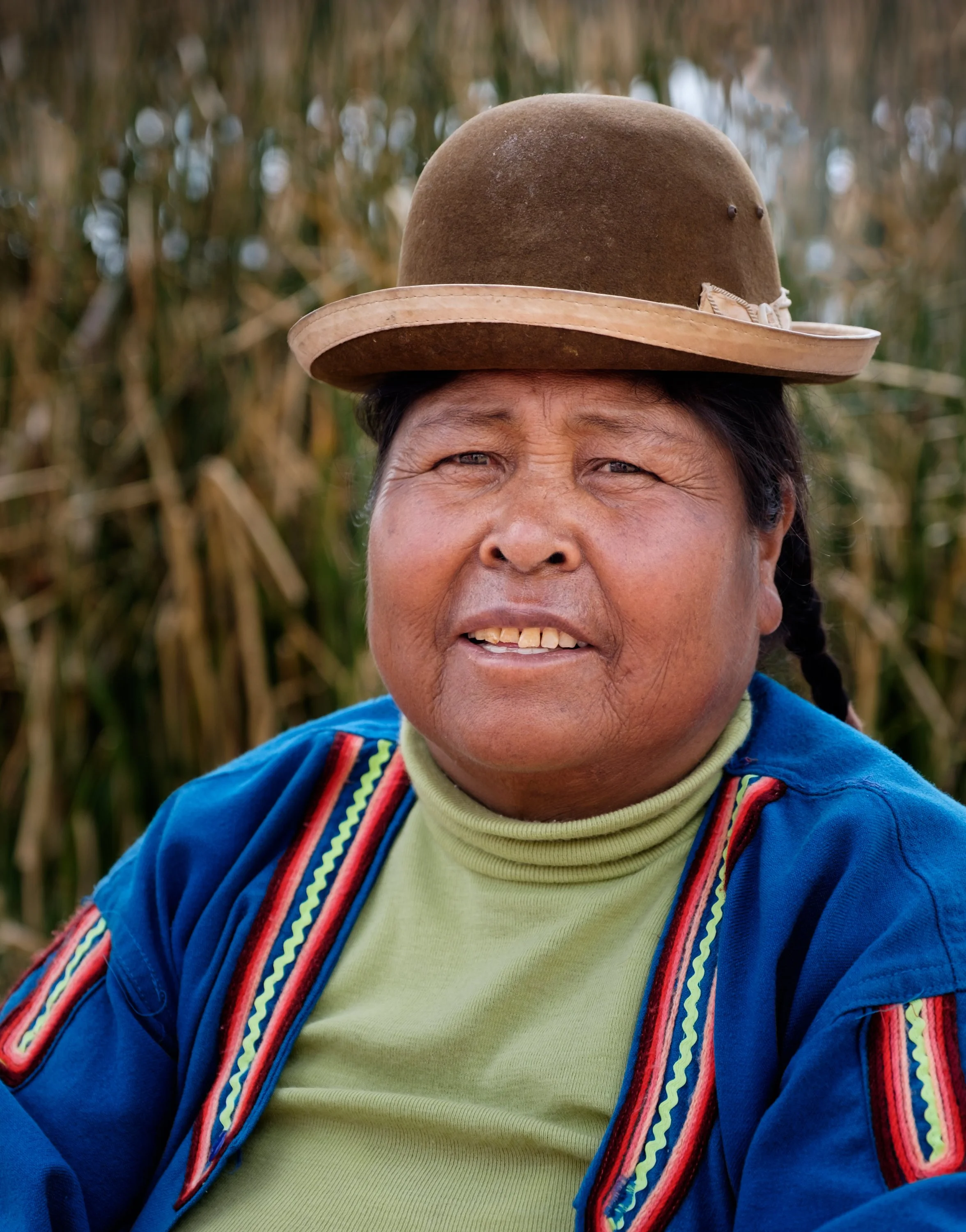
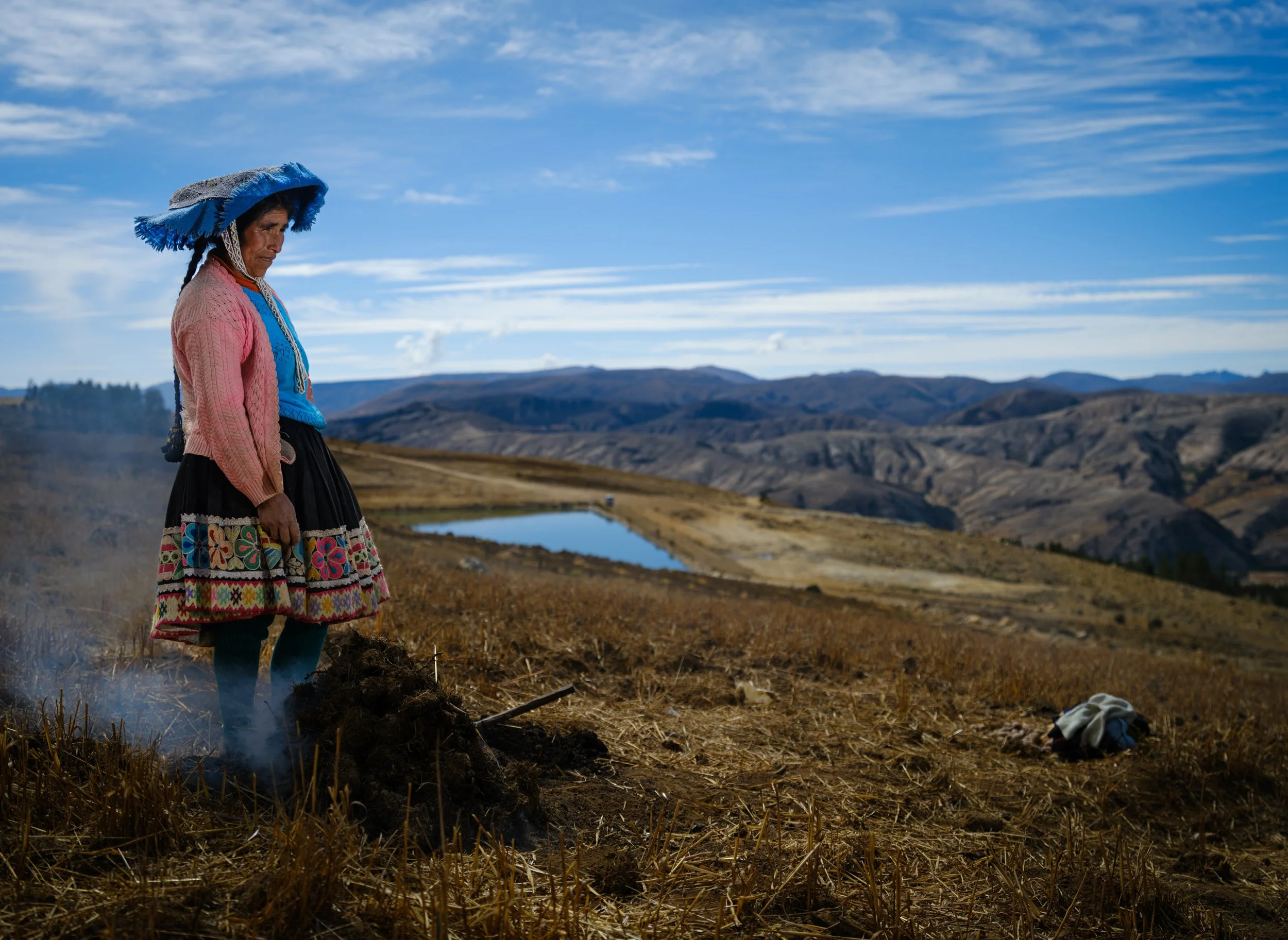
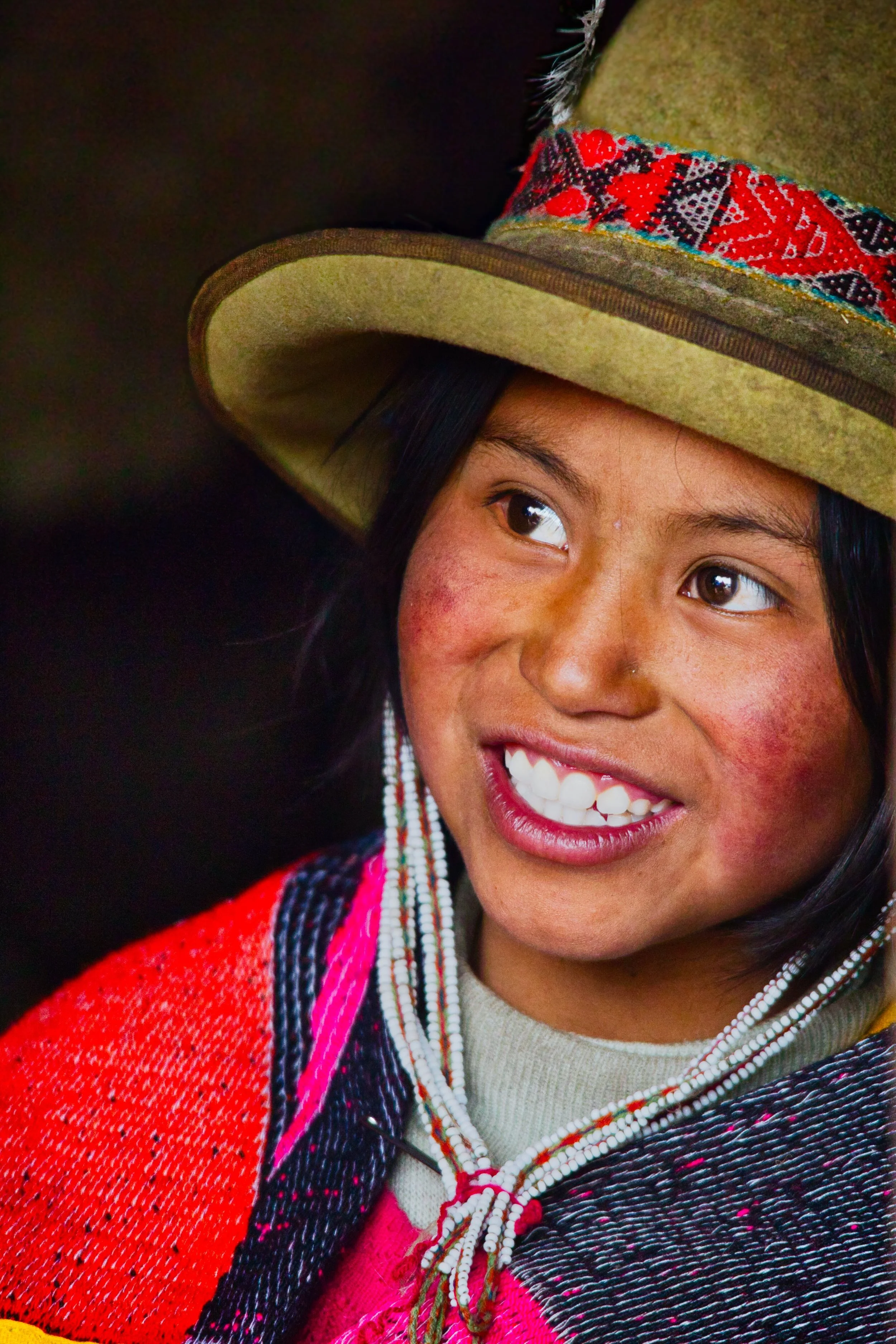
Q'eros. The Q'ero people were declared Cultural Heritage of Peru in 2007. They live above 3,900m (12,800ft) in the Paucartambo district of Cusco, still speaking Quechua, still herding alpacas and llamas across the same high terrain their ancestors did. Very few photographers have worked here. Getting access requires a guide with genuine relationships in these communities, built over years. We have that. We spend four days moving through Chua Chua, Challmachimpana, Qochamoqo, and Q'ollpa K'uchu, a night in each village, photographing daily life, herding culture, and the kind of portrait that takes time and trust to earn.
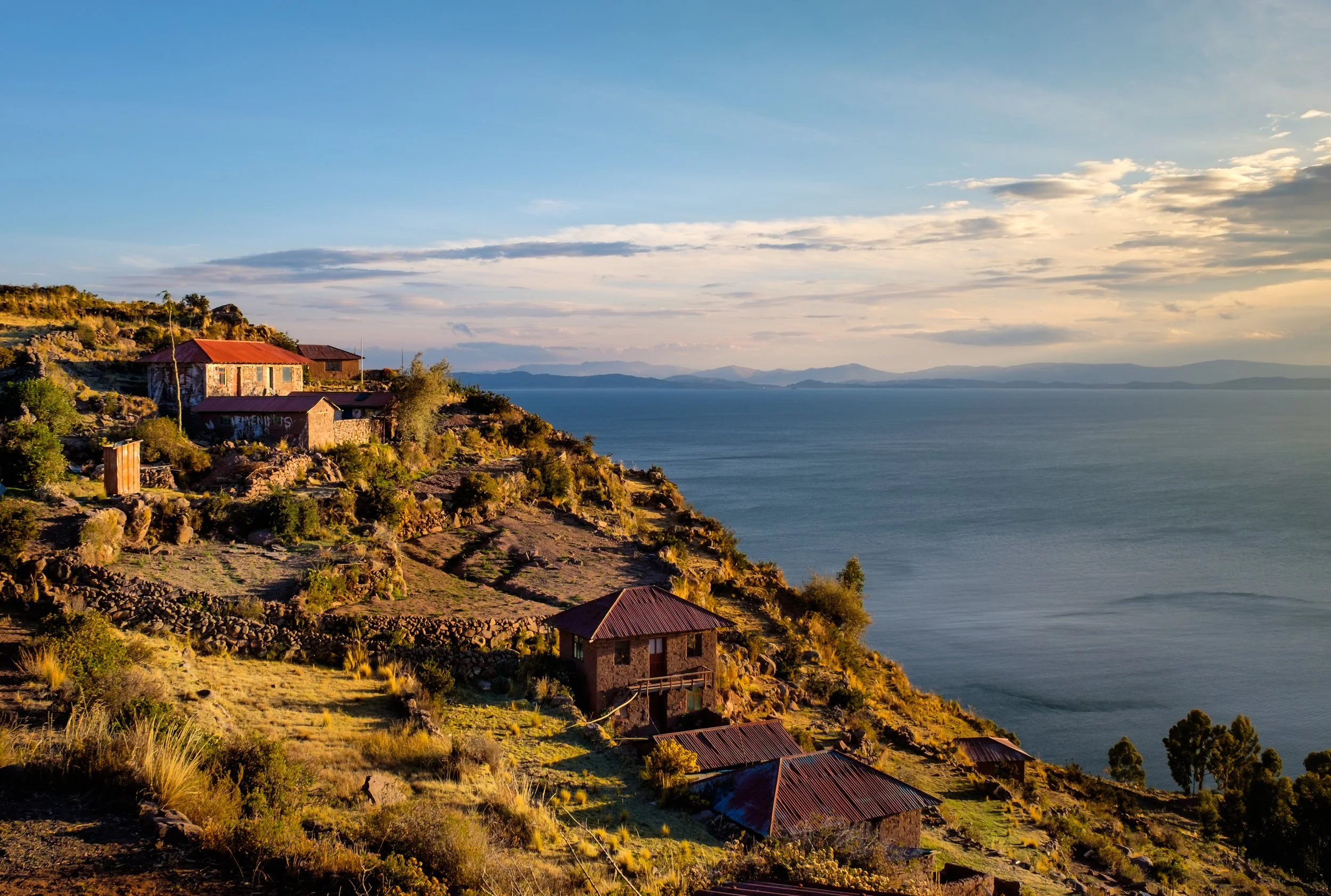
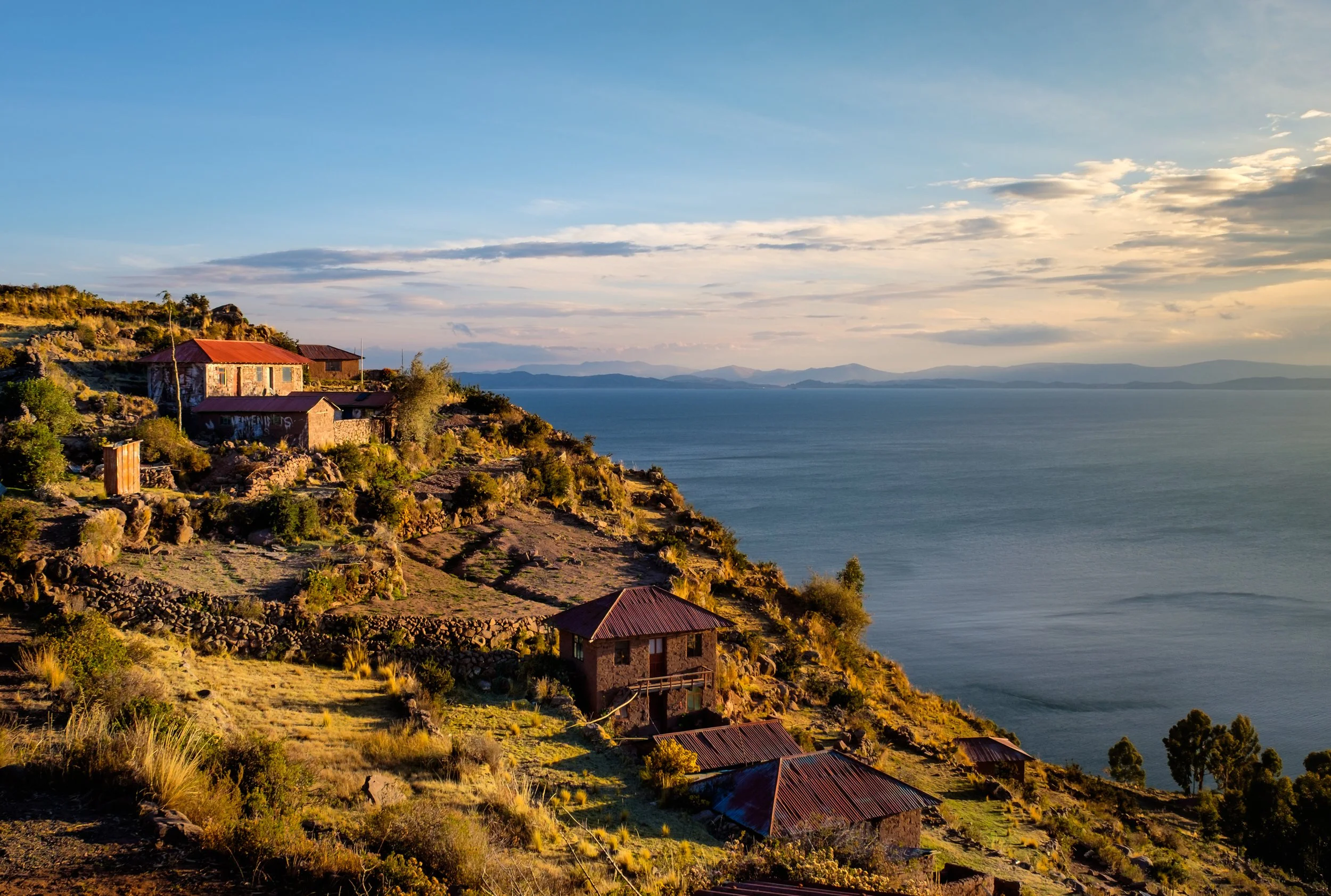
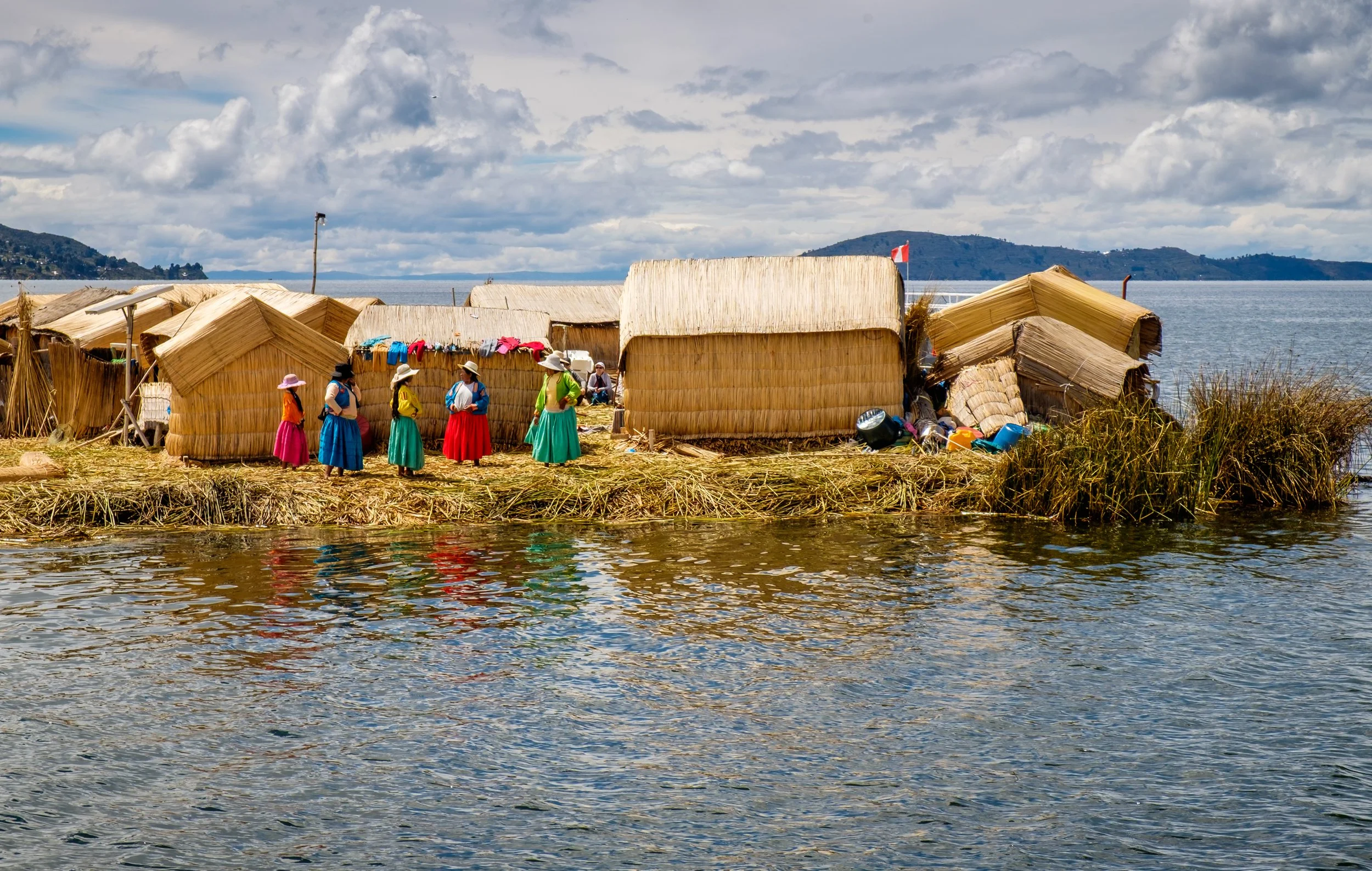
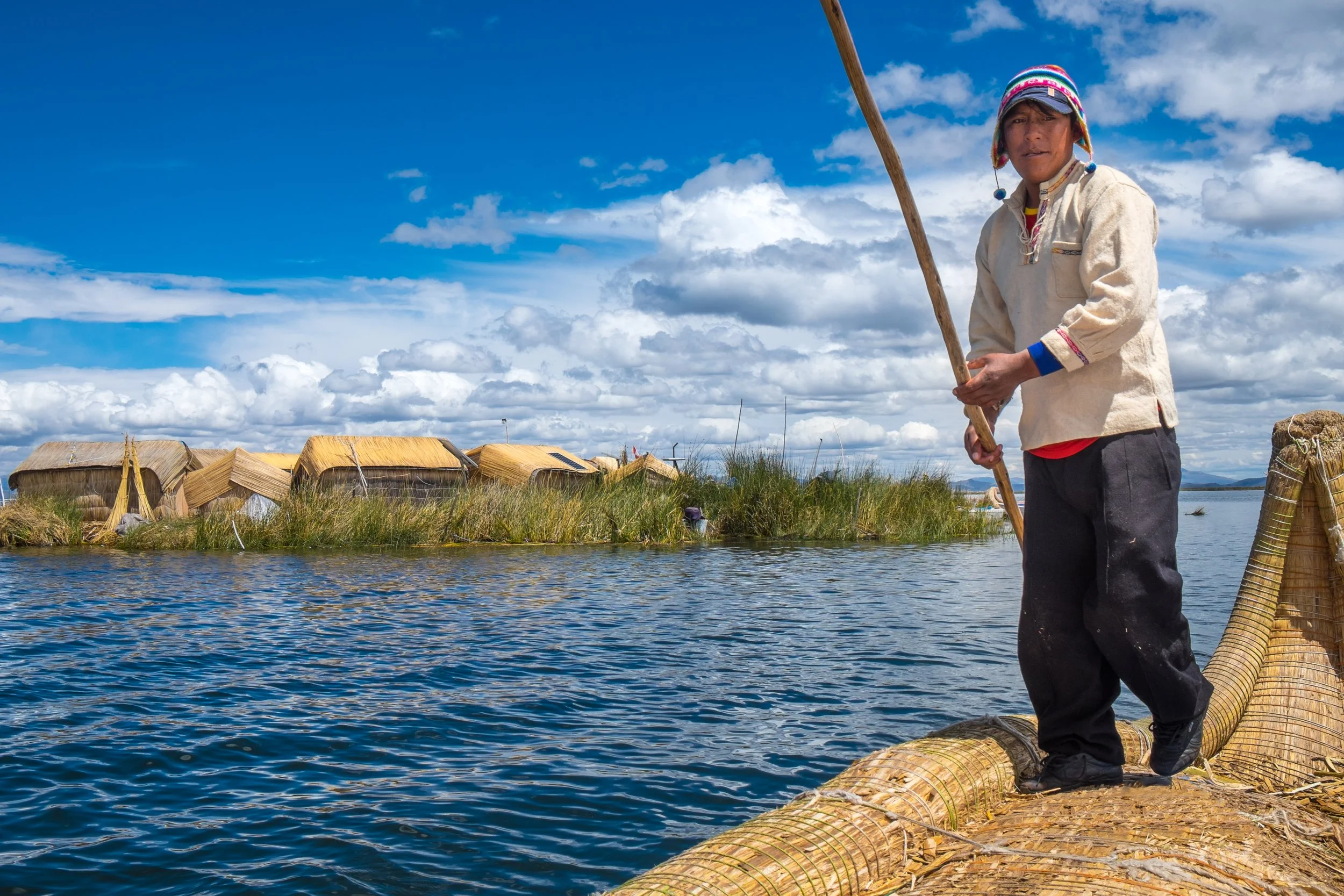
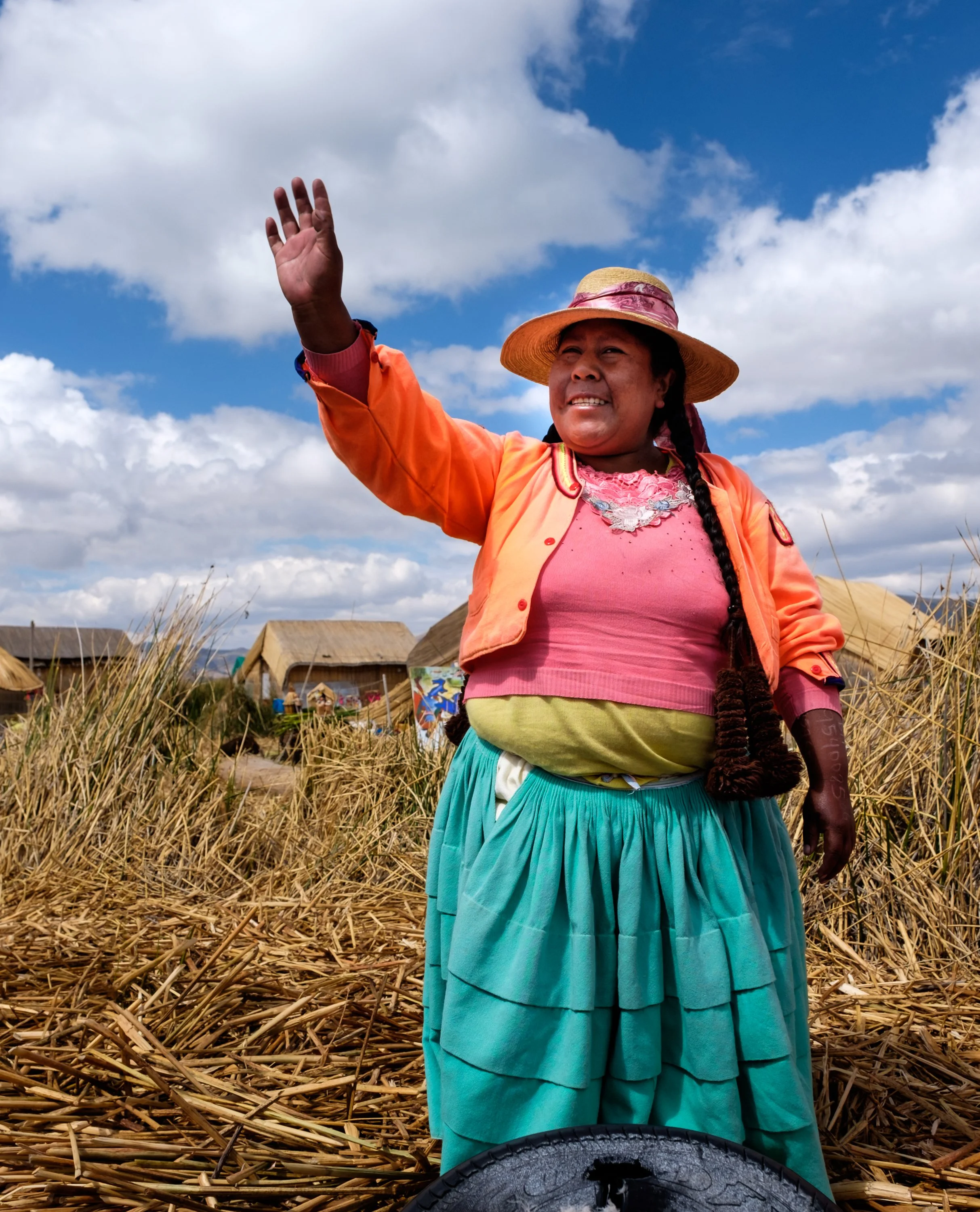
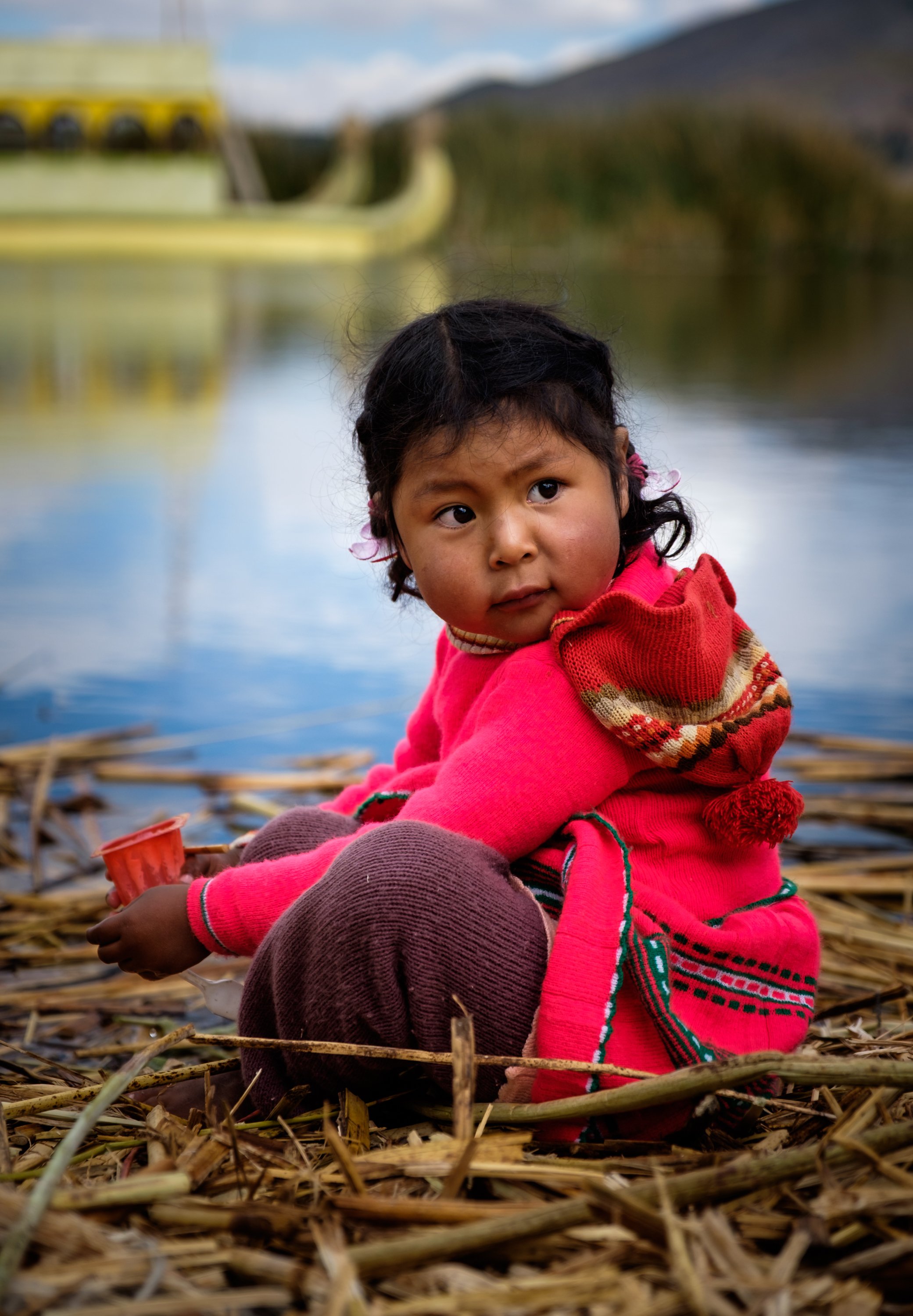
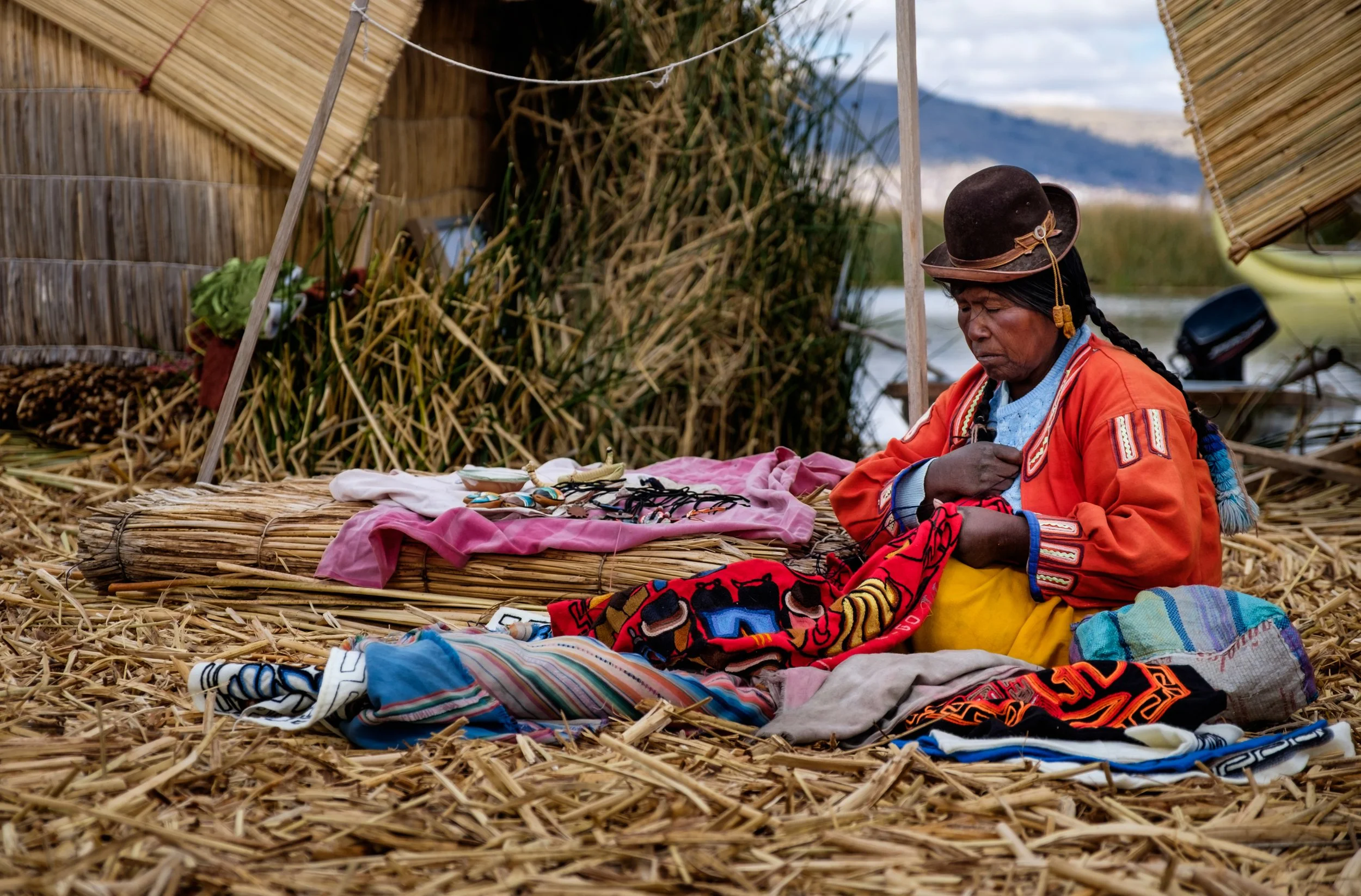
Lake Titicaca. At 3,812m (12,507ft), it is the highest navigable lake in the world. The Uros islands are built entirely from totora reeds and have been home to the same families for generations. We spend a night with a family on one of them. Then we cross to Taquile Island, whose weaving tradition has been recognized by UNESCO as intangible cultural heritage. The water in February runs deep blue, the light is flat and rich, and after ten days in the highlands, the change of environment sharpens your eye.
We run this expedition in February on purpose. The rainy season brings cloud formations over the Andean altiplano that the dry months simply cannot produce. The highlands are green. The light is soft and directional in a way portrait photographers understand immediately. Most operators schedule around the rain. We scheduled because of it.
Each location has its own visual language. Together they make a body of work that tells a larger story about Andean life, from the Sacred Valley to the altiplano to the lake.
Our tour
The hardest thing to find in travel photography is genuine access. Showing up with a camera is easy. Being somewhere long enough and trusted enough that people go about their lives in front of you takes relationships. Our Cusco-based guide has spent years building them in Willoq and Q'eros. He speaks Quechua. He knows the families by name. When we arrive, the introduction is warm and the doors open. That is not something you can book through a standard tour operator.
In Q'eros, we sleep inside the homes of the families who host us. Tents on earthen floors, out of the wind, no hotel, no tourist infrastructure, no other groups alongside you. The four nights there involve no running water, no showers, and a portable toilet. We are straightforward about that because the photographers who are right for this trip already understand it is part of what makes the access real.
The structure of the expedition reflects how these three places actually work photographically.
Willoq is intimate and accessible, a strong entry point that calibrates your eye for portrait work in the Sacred Valley light. Q'eros is the center of gravity of the whole trip, four days in the high highlands, sleeping in the villages, working at real altitude. Lake Titicaca is the landing, a change of scale and palette after the intensity of Q'eros, with the water and the reed islands giving the portfolio a completely different register to close on.
Eight participants maximum. That number is a photography decision. A smaller group moves more naturally through a village. Families stay relaxed. Everyone has room to work without stepping on each other.
Daniel leads as photographer and tour leader. Our local guide, also a photographer, runs all ground logistics in Peru. Between them, the operational complexity disappears, and you can focus on making photographs.
Full Itinerary
This itinerary is a framework, not a fixed schedule. Weather, light, and the rhythm of the communities we visit all influence how each day unfolds. If the morning light is exceptional somewhere, we stay longer. If conditions favor a different order, we adjust. Our local guide knows this territory and makes those calls in real time. What stays constant is the access, the locations, and the time we have to work in each place.
Day 1 | Arrival in Cusco, Airport code (CUS) | (D) | February 14, 2027
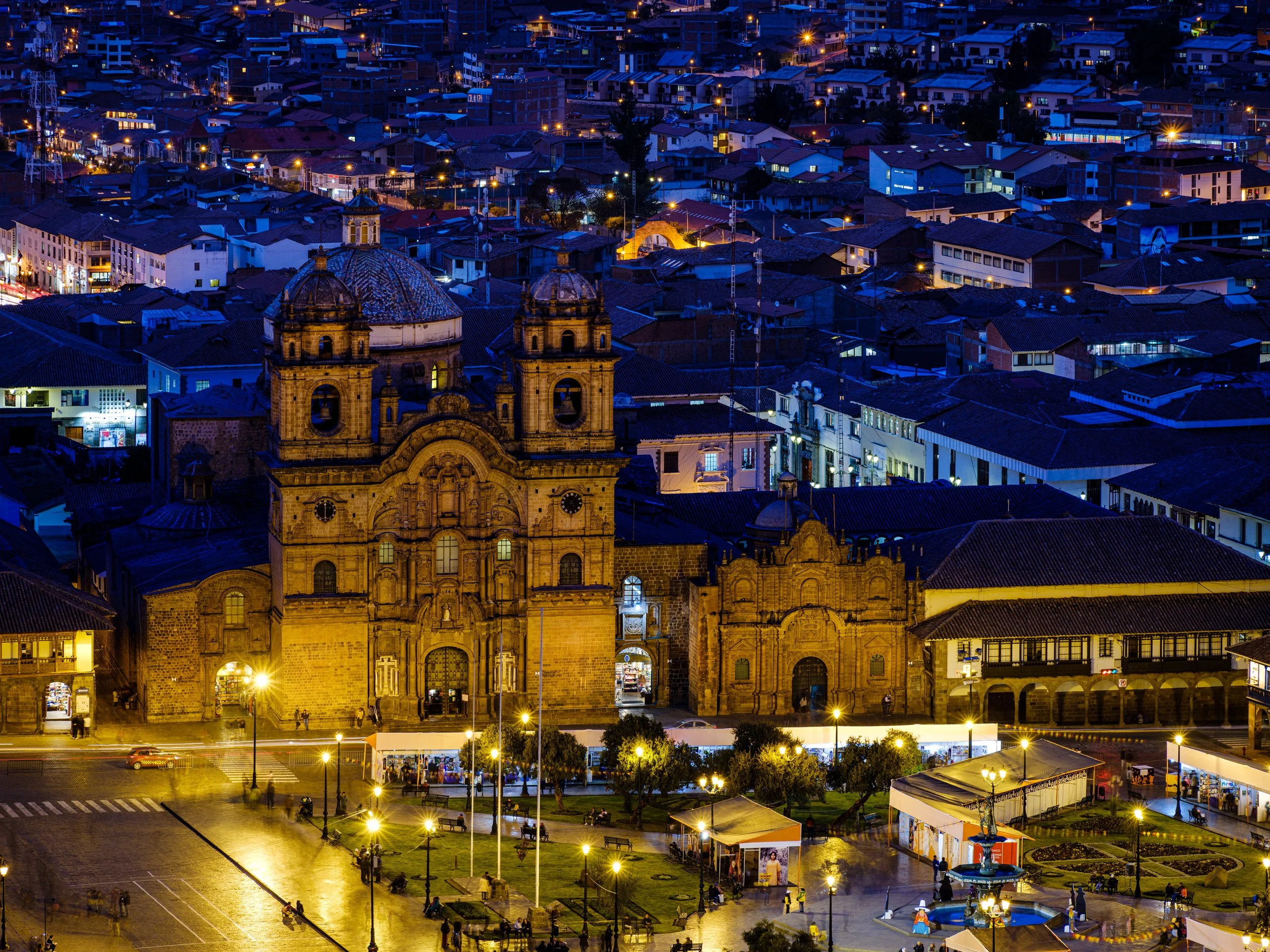
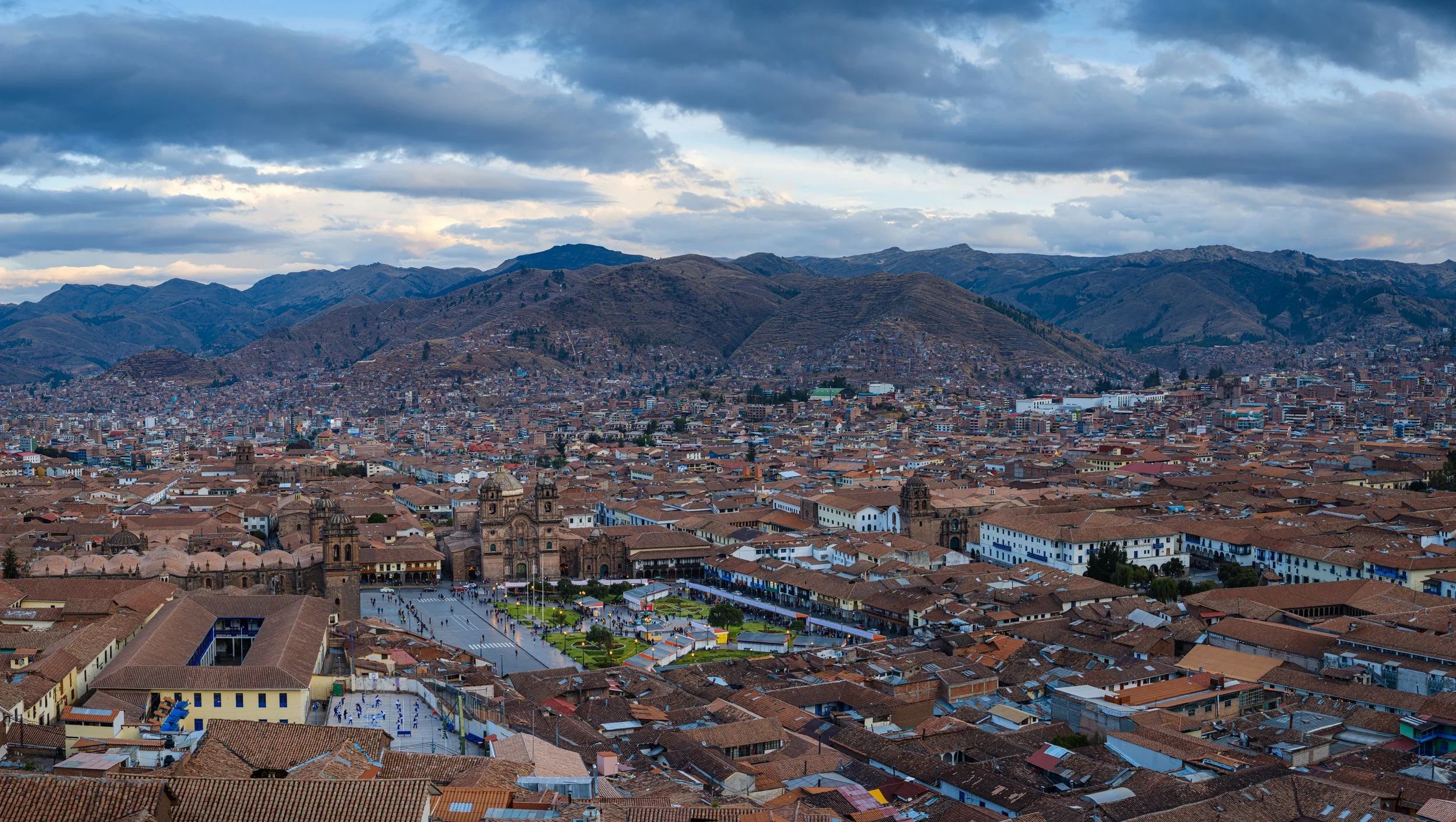
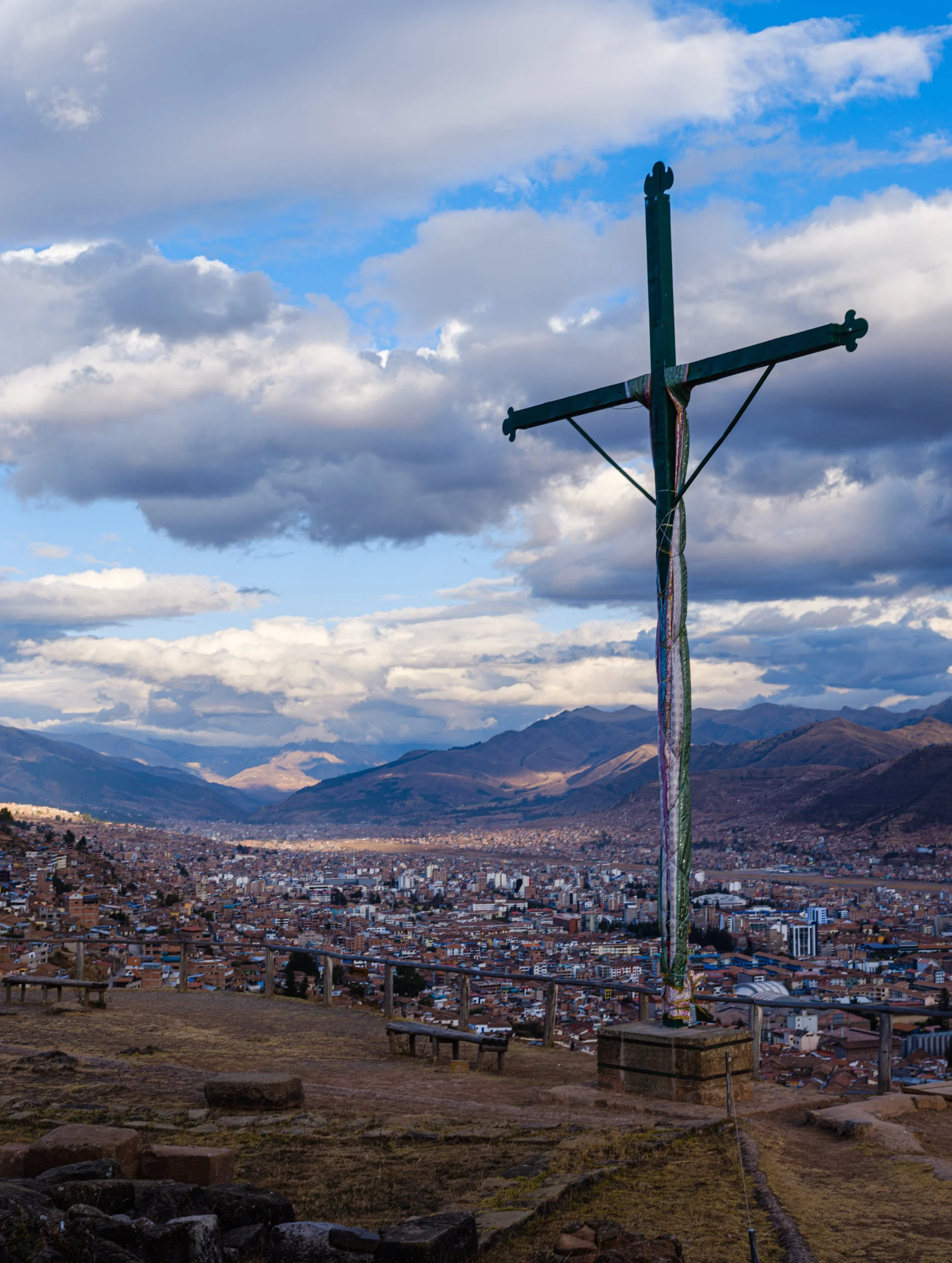
Cusco sits at 3,400m, and your body will need a day to find its footing. There is no agenda today beyond arriving and settling in. If you land in the morning and want to stretch your legs, the Plaza de Armas is a short walk from the hotel and one of the great colonial squares in the Americas.
In the evening, we hold our orientation, where you will meet Daniel and the rest of the group, go over the days ahead, and sit down together for a welcome dinner.
Accommodation: Wyndham Costa del Sol or similar.
Altitude: 3,400m/11,155ft.
Day 2 | Cusco to Willoq | B, L, D
We drive from Cusco into the Sacred Valley and up to Willoq, a Quechua weaving community sitting above Ollantaytambo at 3,800m. The village is known for its living textile tradition — women here work backstrap looms using natural dyes made from cochineal, indigo, and local plants, the same methods their grandmothers used.
Today is about arrival and first contact. We walk through the village, meet the families, and begin to understand the visual world we are working in. A hands-on pottery session with local artisans rounds out the afternoon.
Accommodation: Hotel Parakitampu, Ollantaytambo, or similar.
Altitude: 3,800m/12,470ft.
Day 3 | Willoq Photography, Return to Cusco | B, L, D
We start before sunrise to catch the morning light on the village and surrounding terracing. This is the main photography day in Willoq — portraits of weavers at work, agricultural scenes, and the landscape as it opens up through the early hours.
After lunch, we hike through the surrounding terrain, visiting ancient ruins and viewpoints above the valley. The afternoon light on the Andean hillsides is exceptional for landscape work.
At the end of the day, we drive back to Cusco, arriving in time for dinner.
Accommodation: Wyndham Costa del Sol or similar.
Altitude: 3,400m/11,155ft.
Day 4 | Cusco to Paucartambo | B, L, D
We leave Cusco at dawn. The early start is deliberate — soft morning light and open roads through the puna highlands make the drive itself worth photographing. Alpacas and llamas graze the rolling grasslands as the valley mist clears, and the landscape shifts dramatically as we climb to the Hualla Hualla pass at 4,300m, where wide-angle compositions against a moving Andean sky reward anyone who steps out of the vehicle.
Further along, the road passes through small rural villages where daily life plays out at the roadside. We arrive in Paucartambo by midday — a colonial-era town known across Peru for its preserved architecture and folklore traditions. After lunch, we photograph the stone streets, adobe houses, and wooden balconies of the old town. The afternoon side light is ideal for texture work in the Plaza de Armas and along the colonial bridge.
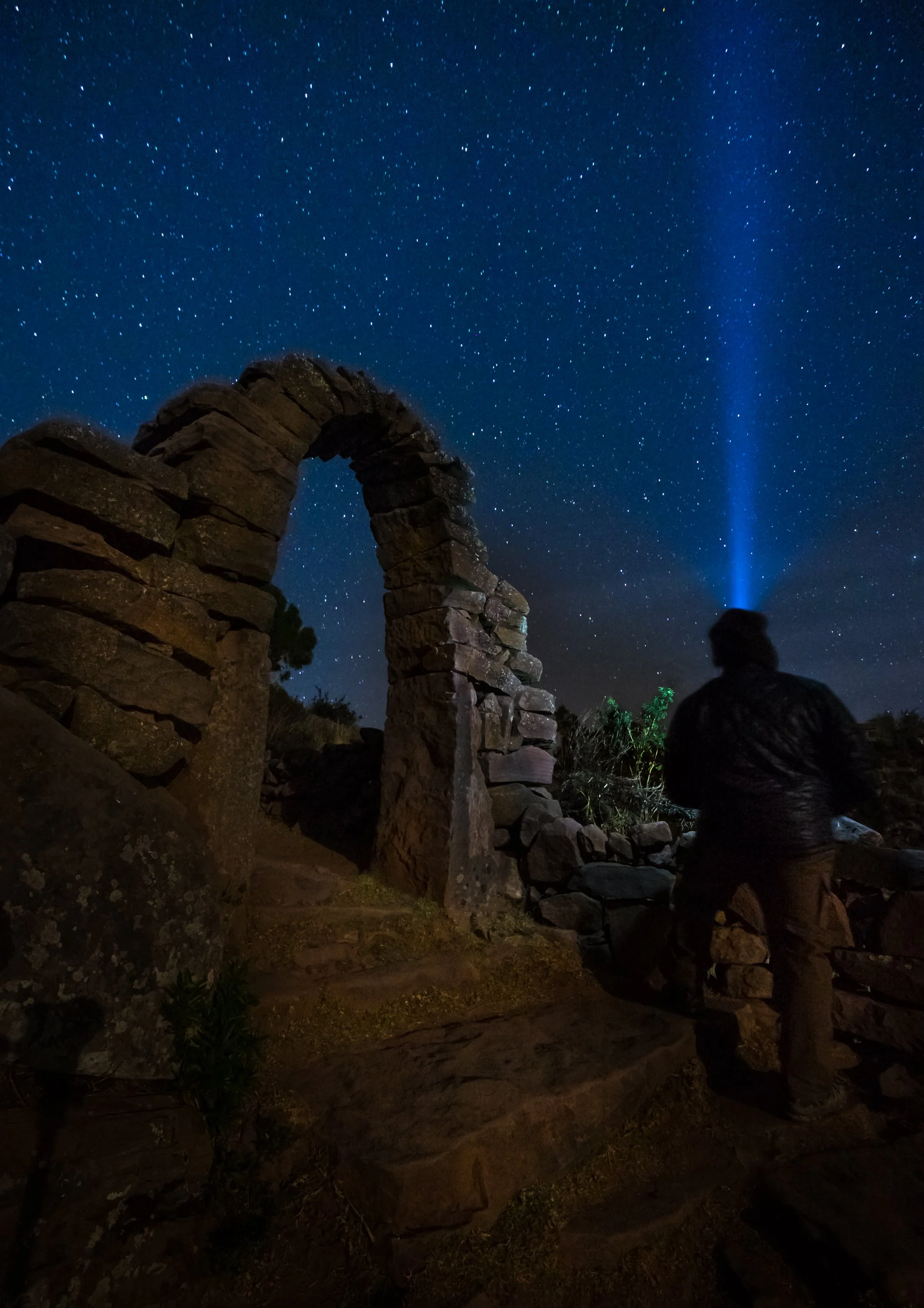
As the day closes, a short drive takes us to viewpoints above the town for golden hour on the colonial rooftops. We return for dinner and, if the sky cooperates, night photography in the streets below.
Accommodation: Q'inty Nature Ecolodge, Paucartambo.
Altitude: 3,400m/11,155ft to 2,950m/ ,678ft | Hualla Hualla Pass: 4,300m/14,108ft
Day 5 | Paucartambo to Chua Chua | B, L, D
After breakfast, we drive east out of Paucartambo, the road climbing steadily into Q'eros territory. Along the way, we pass through a series of small, colorful highland communities. If the group wants to stop, we stop.
Eventually, we leave the main road and drive uphill to Chua Chua, the first of the four Q'eros villages we will visit. Tonight is about arrival and acclimatization — 4,500m is serious altitude, and the body needs time to settle. We walk the village, take in the surroundings, and let the place come to us.
We sleep in tents pitched inside a Q'eros family home. No running water, no showers. A portable toilet is provided. This is where the expedition proper begins.
Accommodation: Tent inside Q'eros family home, Chua Chua
Altitude: Ascending to 4,500m/14,760ft
Day 6 | Chua Chua to Challmachimpana | B, L, D
After breakfast at Chua Chua we travel to the next village, Challmachimpana.
On arrival we scout the village and begin building the connections that make the photography possible. Introductions happen at Q'eros pace, not ours.
Time spent with the families today translates directly into stronger portraits tomorrow.
Accommodation: Tent inside Q'eros family home, Challmachimpana
Altitude: 4,500m/14,760ft
Day 7 | Challmachimpana to Qochamoqo | B, L, D
Early morning in Q'eros means alpacas and llamas being led out to pasture. It is one of the defining visual moments of the whole expedition — herders and animals moving across the highland terrain at first light, with the February sky doing what February skies do at this altitude.
We photograph through the morning and continue to Qochamoqo, spending the full day inside this village before sleeping there overnight.
Accommodation: Tent inside Q'eros family home, Qochamoqo
Altitude: Descending from 4,500m/14,760ft to 3,900m/12,800ft
Day 8 | Qochamoqo to Q'ollpa K'uchu | B, L, D
We travel to Q'ollpa K'uchu, the fourth and final Q'eros village.
The day is built around family visits — going inside the homes, sitting with people, understanding something about how they live.
The portraits that come from this kind of time spent are different from anything you can get by passing through.
Accommodation: Tent inside Q'eros family home, Q'ollpa K'uchu
Altitude: 4,200m / 13,780ft
Day 9 | Q'ollpa K'uchu to Cusco | B, L, D
A final morning in Q'eros. We photograph through the early hours — there is always more to see on the last day in a place — then after lunch we begin the drive back to Cusco.
The descent from the highlands takes several hours, and the landscape changes noticeably as the altitude drops.
Tonight is the last night in Cusco. A warm shower and a proper bed after four nights in the villages will feel well earned.
Accommodation: Wyndham Costa del Sol or similar.
Altitude: 4,100m/13,450ft — returning to 3,400m/11,155ft
Day 10 | Cusco to Juliaca to Uros Islands | B, L, D
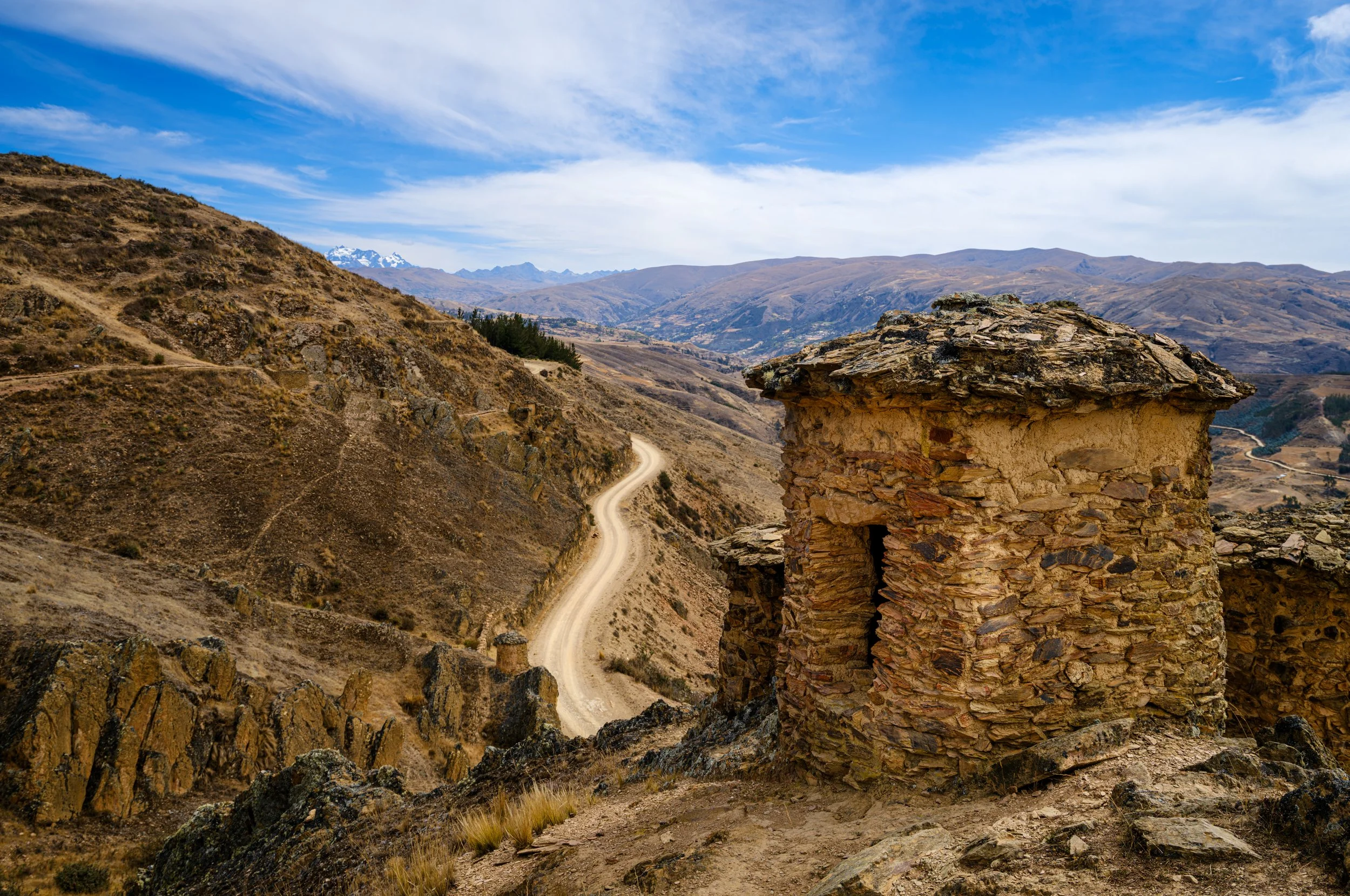
An early transfer to Cusco airport for the short flight to Juliaca. From Juliaca we drive to Sillustani, an archaeological site sitting above Lake Umayo where pre-Inca chullpas — tall funerary towers — rise against a wide open sky. The geometry of the stonework and the reflections in the lake below make for strong, wide-angle compositions.
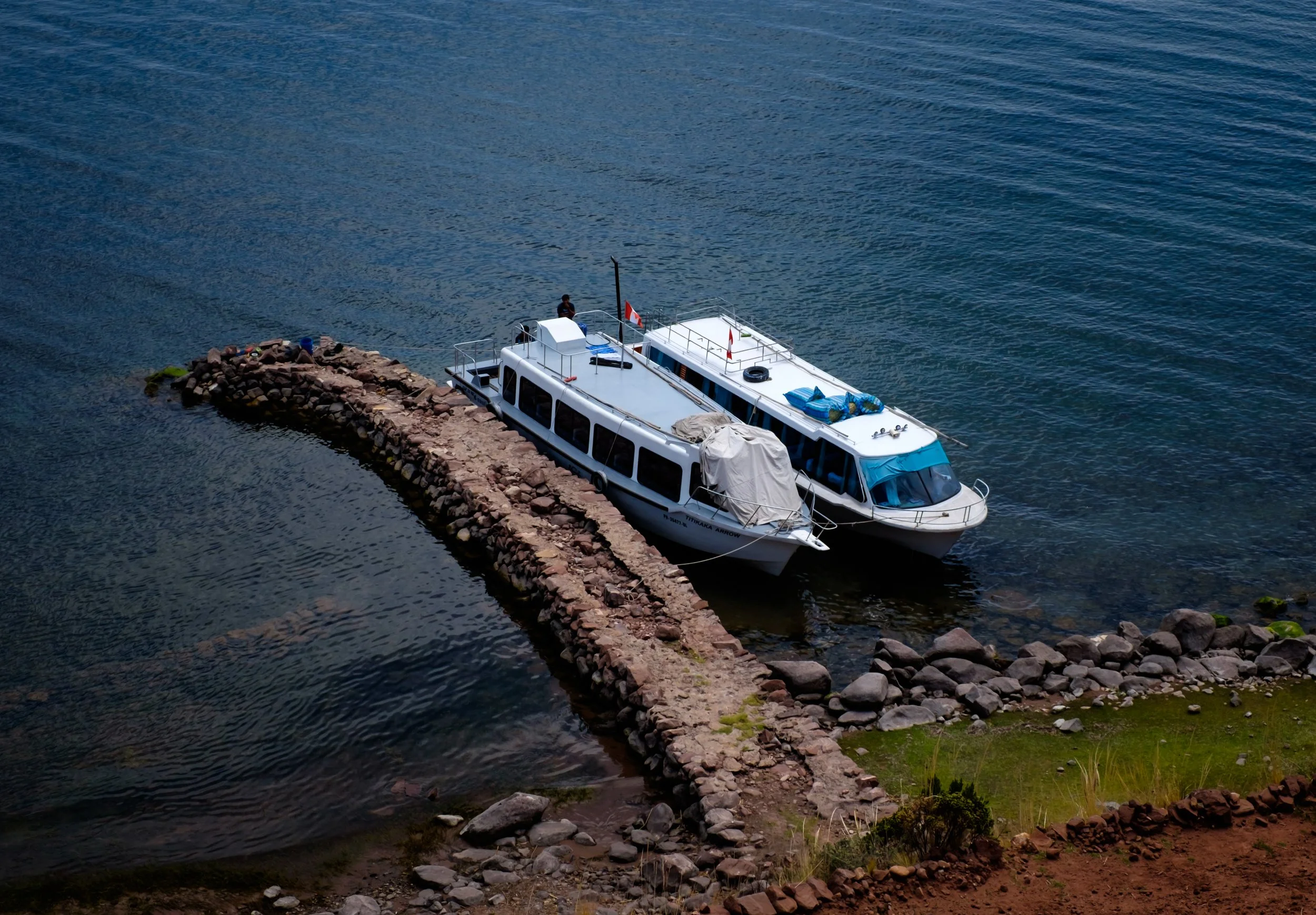
We continue to Puno and transfer directly to the port for a boat ride out to the Uros Islands.
The floating islands are built entirely from totora reeds and have been the home of the same families for generations. We photograph the island life as the sun drops, with the lake surface turning warm as the light fades.
Tonight we sleep on the water, in a family homestay on one of the floating islands.
Accommodation: Homestay, Uros Floating Islands
Altitude: 3,812m/12,507ft
Day 11 | Uros Islands to Taquile Island | B, L, D
Sunrise on the Uros Islands. The soft morning light on the totora reeds and the stillness of the lake at this hour make for some of the best long-exposure and reflection work of the entire trip. We photograph daily life as the families start their day before boarding the boat for the crossing to Taquile.
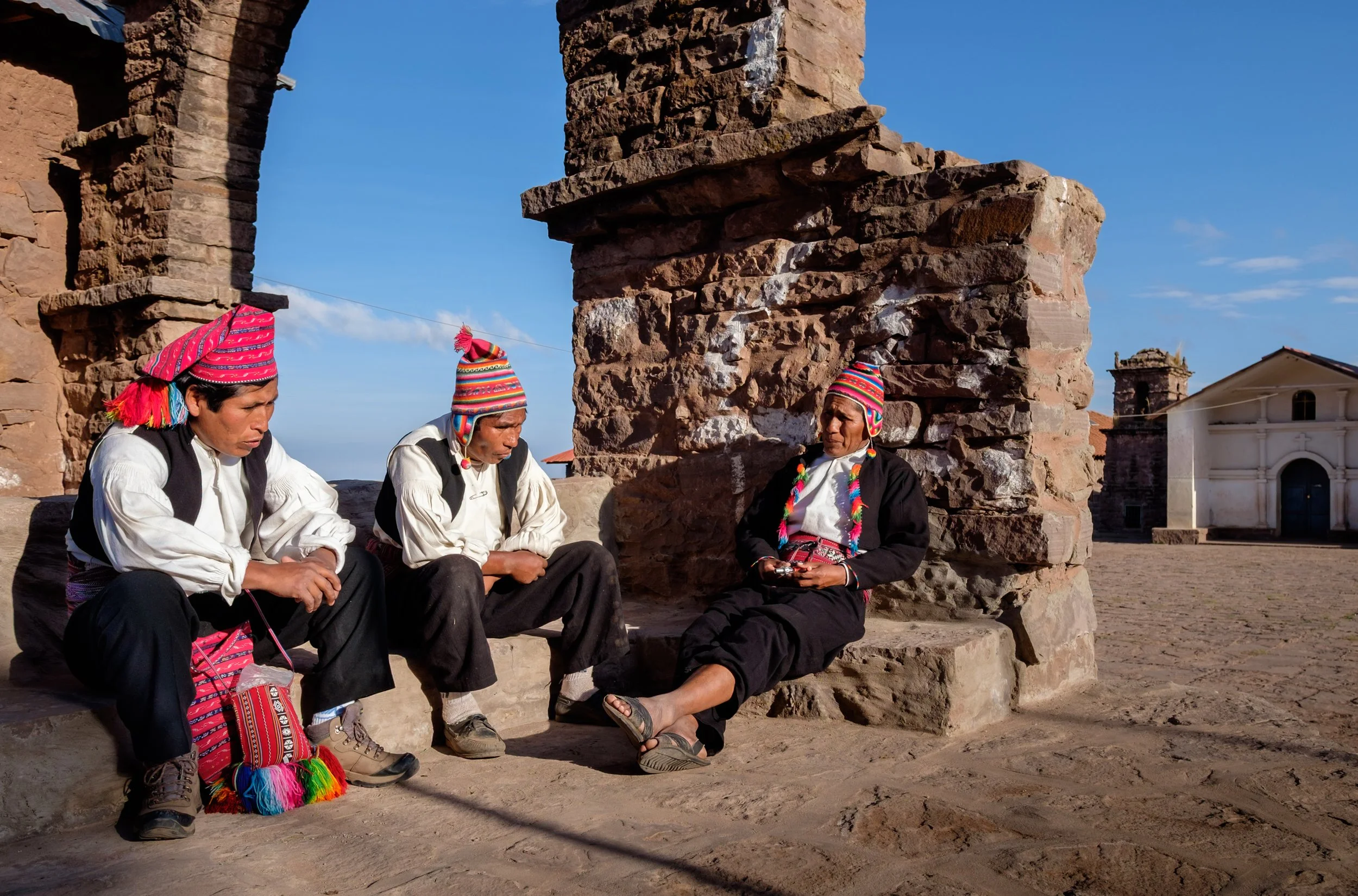
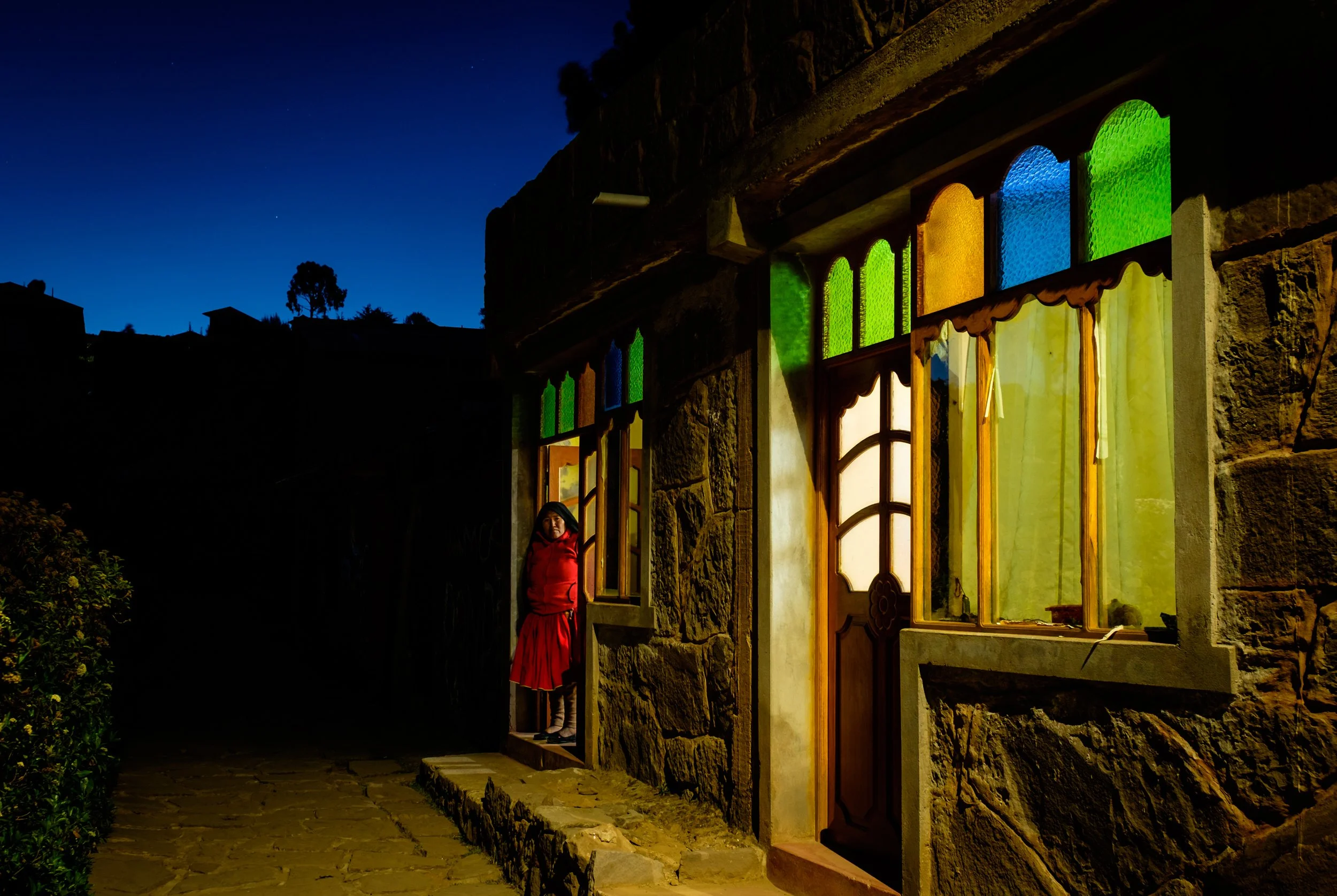
Taquile Island sits higher than Uros and has a completely different character. The community here is known across Peru and beyond for a weaving tradition so technically refined it has been recognized by UNESCO as intangible cultural heritage. Men knit while walking. The textiles carry patterns with specific meaning. We spend the afternoon walking the terraced hillsides, photographing the weavers and the elevated views of Lake Titicaca that open up as you climb.
Golden hour from the island's western side, with the lake stretching toward Bolivia, is a strong close to the day.
Accommodation: Homestay, Taquile
Altitude: 3,830m/12,566ft
Day 12 | Taquile to Puno | B, L, D
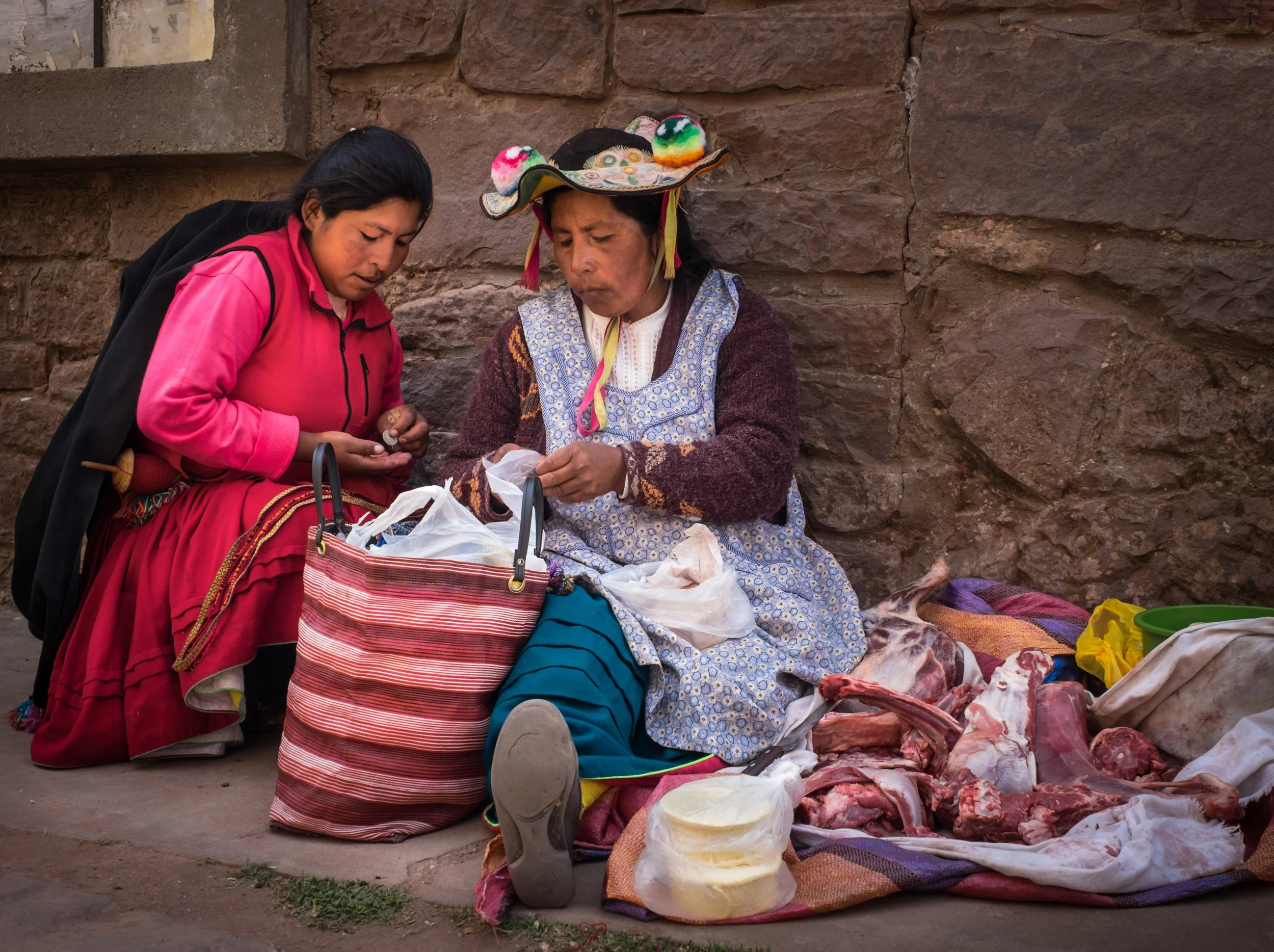
We start at the high viewpoints above Taquile for sunrise over the lake, then work through the village one last time — close-up textile photography, hand-woven details, the color and texture of the clothing people wear here every day.
The boat ride back to Puno crosses open water and offers a different perspective on the scale of Titicaca. Back on land, there is time to photograph the Puno lakefront, the local market, and street life.
Accommodation: Hotel Casa Andina, Puno.
Altitude: 3,950m/12,960ft
Day 13 | Puno to Juliaca to Lima | B
Last breakfast together in Puno. We drive to Juliaca airport for the flight to Lima, where most international connections depart.
Services end on arrival at Lima's Jorge Chavez International Airport.
The price of the tour includes:
12 nights of accommodations on a twin/double sharing basis, as listed in the itinerary.
All meals: 13 breakfasts, 13 lunches, and 13 dinners, including non-alcoholic beverages.
Photo tour leader Daniel Korzeniewski throughout the expedition.
Local expert guide, bilingual (Spanish/Quechua), throughout the expedition.
All ground transportation as listed in the itinerary.
Two domestic flights: Cusco to Juliaca (Day 10) and Juliaca to Lima (Day 13).
Lake Titicaca boat transportation between Puno, Uros Islands, and Taquile Island.
Tent accommodation and portable toilet during the Q'eros section.
All entrance fees, site permits, and community access fees.
Airport transfers in Cusco and Puno.
Daily bottled water.
The price does not include:
International flights to Cusco and from Lima.
Travel insurance — mandatory for all participants. We recommend RoamRight.
Alcoholic beverages.
Tips for guides and drivers.
Personal expenses (souvenirs, laundry, phone calls, etc.).
Altitude medication — consult your doctor before departure.
Meals not listed in the itinerary.
Visa fees where applicable.
Anything not explicitly listed under inclusions above.

Tour Leader
Daniel Korzeniewski
Photography is more than a passion for Daniel; it’s a golden opportunity to document the world and share unique cultures with people across the globe. Embarking upon his creative path at the age of 17, he has since shot assignments, commercial work, and lifestyle campaigns.
However, his primary focus is on travel and landscape photography. Daniel led photo tours in Morocco, India, Peru, Cuba, and Vietnam during the last few years.
Daniel is fluent in both Spanish and English.
FAQ
-
If you are drawn to portrait and documentary photography, and want to work in places most photographers never reach, this expedition is built for you.
The Q'eros highlands are among the most remote and visually compelling communities in South America.
Willoq and Lake Titicaca round out a 13-day body of work that no standard Peru itinerary comes close to covering.
You do not need to be an experienced traveler or a professional photographer. You need to be genuinely curious, comfortable with basic conditions in the field, and ready to spend time with people rather than just passing through. -
Peru is a well-established travel destination with a functioning tourism infrastructure and millions of visitors each year. Cusco, the Sacred Valley, and the Lake Titicaca region are all areas with years of experience hosting international travelers. Standard precautions apply as they would anywhere: keep an eye on your belongings in busy areas, use reputable transportation, and stay informed about current conditions before you go.
The Q'eros territory is remote, not dangerous. The communities there are welcoming, and we travel with a guide who has longstanding relationships in the villages. In terms of physical safety, altitude is the main factor to prepare for, not crime or instability.
-
We have rated this expedition as Strenuous, primarily because of the altitude.
Most travel between locations is by vehicle, so the physical demands day to day are manageable for anyone in reasonable health.
You will walk and hike on some days, occasionally on uneven terrain, and should be comfortable carrying your camera kit and a daypack. The altitude is the main thing to prepare for. Q'eros villages sit between 3,900m and 4,500m (12,800ft to 14,760ft), and we recommend speaking with your doctor before the trip about altitude preparation. Nights in Q'eros are spent inside family homes with basic facilities, no running water or showers for four nights, with a portable toilet provided.
If you are in good general health and up for a genuine adventure, this expedition is well within reach.
-
Altitude is the primary health consideration for this trip. We spend multiple days above 3,400m (11,155ft), reaching 4,500m (14,760ft) in Q'eros territory. We recommend consulting your doctor before departure about altitude sickness prevention. Medications like Acetazolamide (Diamox) are commonly prescribed for high-altitude travel and worth discussing with your physician at least a few weeks before you leave.
The itinerary is designed to allow gradual acclimatization, starting in Cusco and ascending progressively. That said, everyone responds to altitude differently. Staying well hydrated, avoiding alcohol in the first couple of days, and not overexerting on arrival goes a long way.
There are no mandatory vaccinations for Peru, but routine vaccines should be up to date. Hepatitis A and Typhoid are commonly recommended for travel to the Andean region. Consult a travel medicine specialist 4 to 6 weeks before departure.
Bring an adequate supply of any personal medications, copies of prescriptions, and a brief letter from your doctor if relevant. In Q'eros territory we are genuinely remote, so having everything you need on your person is important.
-
Layers are the key to packing for this trip. Temperatures change dramatically with altitude, and a sunny afternoon at 4,000m can turn cold quickly once the sun drops.
Clothing:
Thermal base layers for Q'eros nights and early mornings
A warm mid-layer (fleece or down)
A waterproof outer shell — February is the rainy season and afternoon showers are common
Comfortable hiking pants and a couple of lighter options for lower elevations
Warm hat, gloves, and a scarf for the highlands
Sturdy, broken-in hiking boots for uneven terrain
Sandals or comfortable shoes for hotel days in Cusco and Puno
Photography gear:
Camera body with a backup if you have one
A versatile zoom (24-70mm range) for portraits and street work
A longer lens (70-200mm) for candid distance work and alpaca herds in Q'eros
A wide-angle for landscape and interiors
Plenty of memory cards and spare batteries — charging opportunities in Q'eros are limited
A sturdy daypack to carry your kit on hiking days
Lens cleaning cloths; dust and humidity are both present on this trip
Personal:
High SPF sunscreen — the Andean sun at altitude is intense even on cloudy days
Lip balm with SPF
Insect repellent for lower elevations
Personal medications and a small first aid kit
Hand sanitizer and biodegradable wet wipes for the Q'eros section
Reusable water bottle
Headlamp for early morning starts and village nights
-
Yes, a valid passport is required. Most nationalities, including citizens of the United States, Canada, the United Kingdom, Australia, and the European Union, do not need a visa for tourist stays of up to 90 days in Peru. You will receive an entry stamp on arrival.
Confirm the specific requirements for your nationality before travel, as these can change. Your passport should be valid for at least six months beyond your planned departure date from Peru.
Keep a copy of your passport stored separately from the original throughout the trip.
-
Travel insurance is mandatory for all participants on this expedition, and it must include emergency medical evacuation coverage. We are in genuinely remote territory during the Q'eros section, and evacuation at high altitude requires specialist resources. This is not optional.
We recommend and partner with RoamRight.
Purchase your insurance as soon as your spot is confirmed to protect your deposit and pre-trip costs.
-
The currency in Peru is the Sol (PEN). US dollars are widely accepted in tourist areas, hotels, and larger restaurants, but having Soles on hand is useful for markets, smaller vendors, and tipping.
ATMs are readily available in Cusco and Puno. We recommend withdrawing cash before heading into Q'eros territory, as there are no banking facilities there. Major credit cards are accepted in most hotels and larger restaurants in the cities.
Tipping is customary in Peru. For reference: restaurant service 10%, local guides USD $10 to $15 per day, drivers USD $5 to $10 per day. This is at your discretion.
Our tour includes most meals, so your main out-of-pocket expenses will be drinks, personal items, tips, and any souvenirs.
-
Accommodation varies by section of the trip, and that variation is intentional.
In Cusco we stay at the Wyndham Costa del Sol, a comfortable centrally located hotel well suited to acclimatization. In Ollantaytambo, the Pakaritampu Hotel is a well-regarded property with a strong sense of place in the Sacred Valley. In Paucartambo, the Q'inty Nature Ecolodge is a simpler property appropriate to the town's character. In Puno, we close at Casa Andina Premium, one of the better hotels in the city.
The Q'eros section is different. For four nights we sleep in tents pitched inside family homes in the villages. There is no running water and no showers. A portable toilet is provided. This is not a hardship for the right traveler — it is the whole point of going there.
On Lake Titicaca, we spend two nights in family homestays, one on the Uros floating islands and one on Taquile Island. These are simple, warm, and genuinely memorable.
-
HOW IS THE FOOD IN PERU?
Peruvian food is exceptional. The country has one of the most celebrated culinary scenes in South America, and even outside Lima that quality filters down into local cooking. Expect fresh ingredients, strong flavors, and dishes built around potato, quinoa, corn, and local proteins including alpaca.
In Cusco and Puno you will find a full range of restaurants from local markets to quality sit-down dining. Ceviche, lomo saltado, rocoto relleno, and quinoa soups are among the regional staples worth trying.
In Q'eros we bring our own cook and supplies. Meals in the villages are prepared by our team from ingredients we carry in, so you can expect solid, consistent food throughout the highland section despite the remoteness.
On Lake Titicaca, meals are prepared by the families who host us on the Uros and Taquile islands. Expect fresh lake trout, quinoa, and local staples cooked simply and well.
All 13 breakfasts, 13 lunches, and 13 dinners are included in the tour price, along with non-alcoholic beverages. If you have dietary restrictions or allergies, let us know when you book and we will do our best to accommodate you throughout the trip.
-
In Cusco and Puno, mobile and Wi-Fi coverage is good. Most hotels provide reliable Wi-Fi, and local SIM cards are available at the airport and in city centers. Major Peruvian carriers include Claro, Movistar, and Entel.
In the Q'eros highlands, there is no mobile coverage. For four days you will be fully offline. This is worth planning for — let family and friends know in advance. Our local guide carries communication equipment for emergencies.
On Lake Titicaca, coverage is limited on the islands but generally available in Puno.
If you plan to use your home SIM internationally, check roaming rates before departure. A local Peruvian SIM purchased in Cusco is the most cost-effective option for data.
-
Peru uses 220V at 60Hz. The standard plug type is Type A and Type C (two flat parallel pins, or two round pins). Travelers from North America will need a plug adapter, as US plugs are Type A but most Peruvian outlets are Type C or a combination socket.
Most modern electronics — laptops, camera chargers, phone chargers — are dual voltage (100-240V) and only require an adapter, not a converter. Check the label on your devices before you go.
In Q'eros there is limited or no access to electricity. Bring extra batteries and fully charged power banks before entering the villages.
-
1) Booking procedure:
All prices for the tours are quoted in US Dollars.
We require a deposit to reserve a place on the selected photo tour. The deposit is due at the time of booking and can be paid online via credit card; ACH and Debit Cards are also accepted.
Other than the deposit, you must complete the registration form for you and your guests, if any.
If you are traveling solo and want to share a room, we will try our best to find you a match. However, if, for any reason, we don't find a suitable match, the single supplement fee will apply.
We will email you shortly after confirming your booking. Please do not book your flights at this time unless otherwise indicated by us. We will email you once the minimum number of guests to run the tour has been reached.
2) Balance of Payments:
The final payment for the trip is 90 days before departure. Such payment shall be made via credit card or wire transfer. Failure to meet the payment schedule will result in cancellation and forfeit of the deposit.
3) Cancellations and Refunds:
If DAK Photography Inc. must cancel the trip for any reason, 100% of paid deposits will be fully refunded. We reserve the right to cancel any trip/tour/group due to insufficient registration at any time. In the event of such cancellation, those with reservations shall be notified as soon as possible, and a full refund of the trip payment will be given.
Please note that deposits are non-refundable. However, they may be applied as a credit toward a future trip with us, provided the credit is used within 12 months of the original trip's start date.
If a guest needs to cancel, we must receive written notification. Email is accepted.
The following cancellation fees apply:
120 days or more before departure: no charge.
61 days to 119 days before departure: 50% of the tour fee.
60 days or less before departure: 100% of the tour fee.
In the event that you have to cancel, we will do our best to fill your spot. If we do so, we will refund 100% of the tour fee minus an administrative fee of $250.
Refunds will not be made for any other costs you may have incurred as a result of your booking.
Travel and medical insurance, including emergency evacuation coverage, are mandatory for all participants. To safeguard your investment, we strongly recommend purchasing this coverage as soon as your trip is confirmed. We also encourage you to select an insurance policy that covers non-refundable deposits and other pre-trip expenses in case of unforeseen cancellations.
All refunds will be processed within 30 days of receiving written confirmation of your cancellation.
Ask us a question about this tour
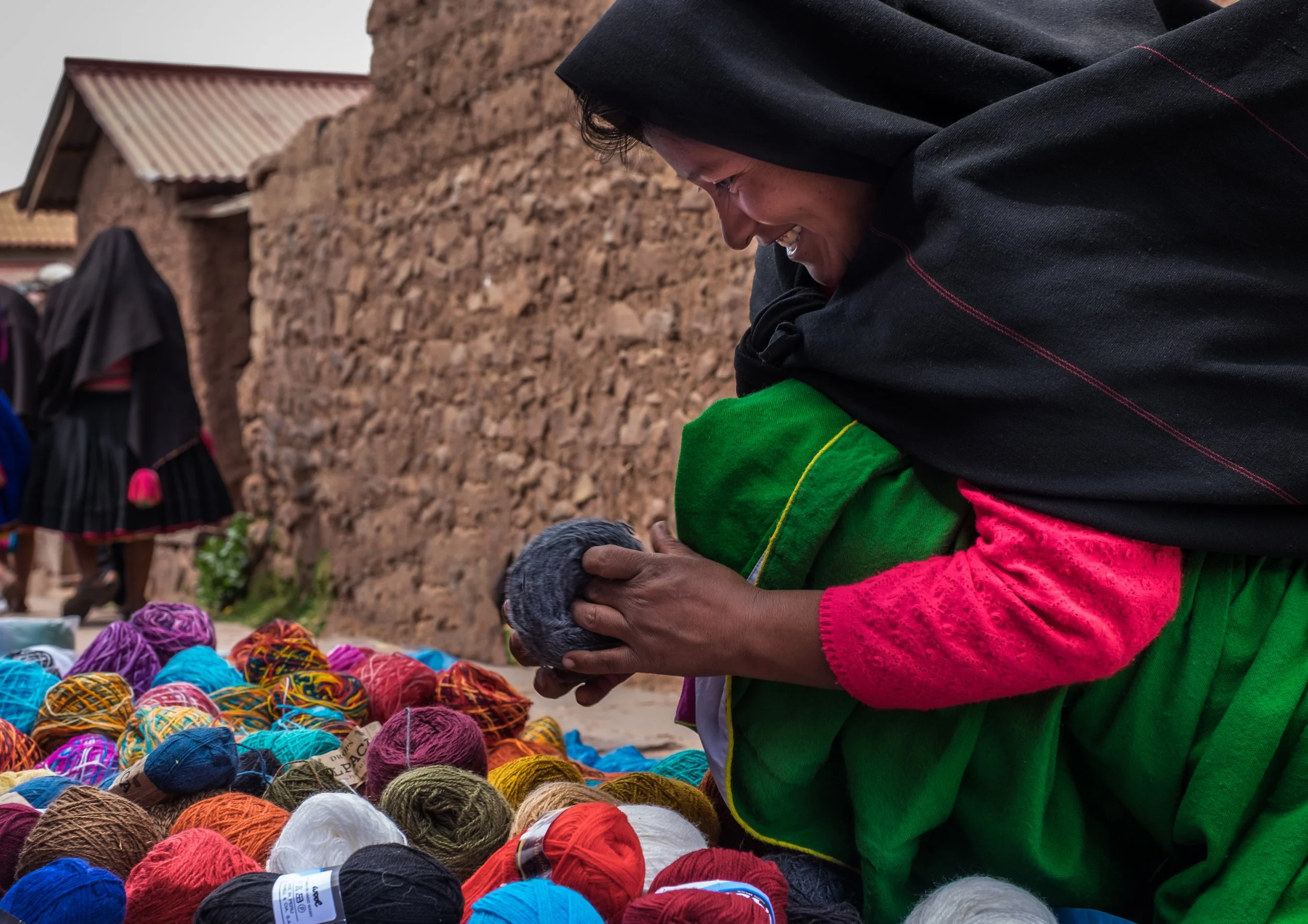
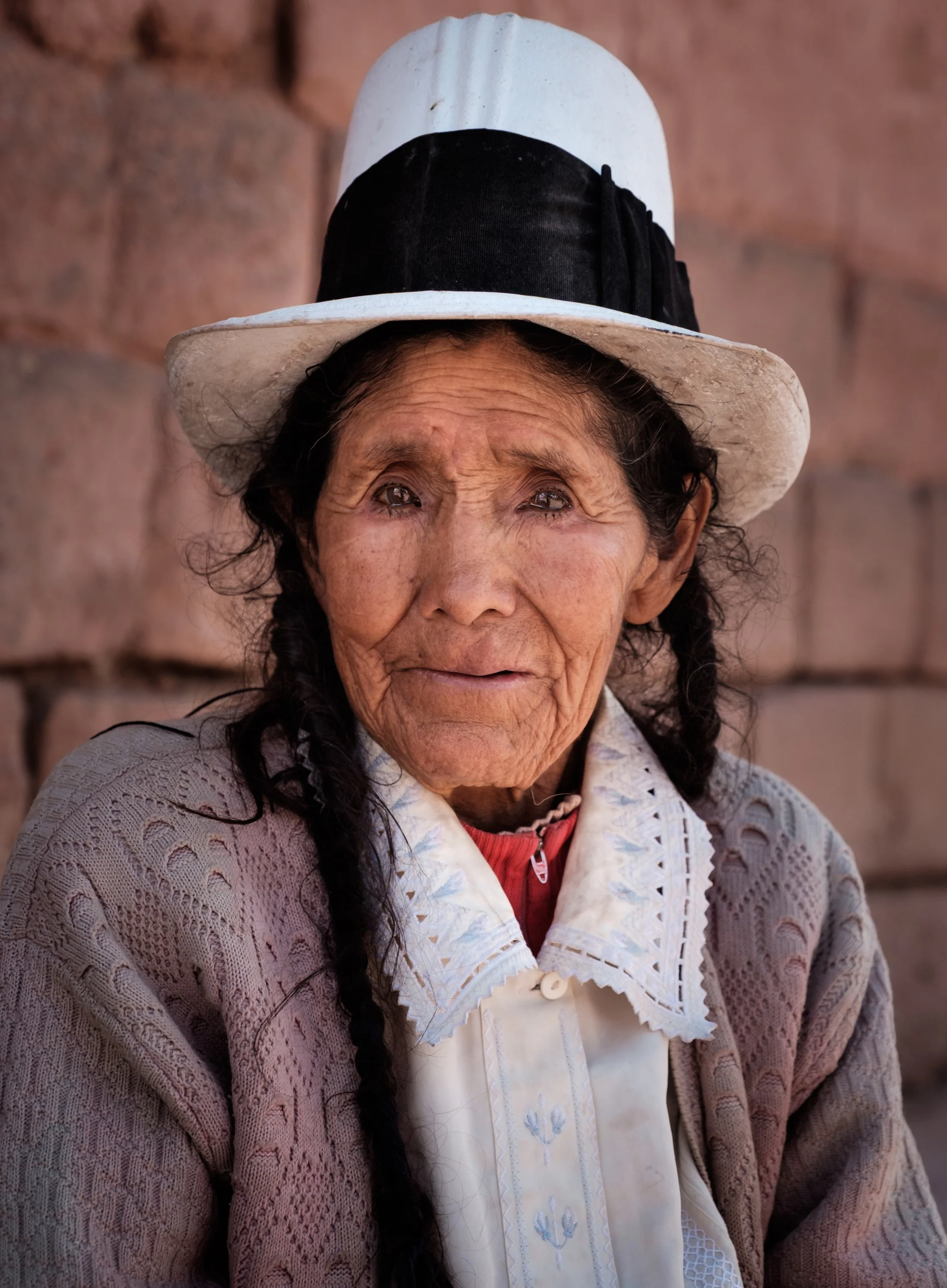
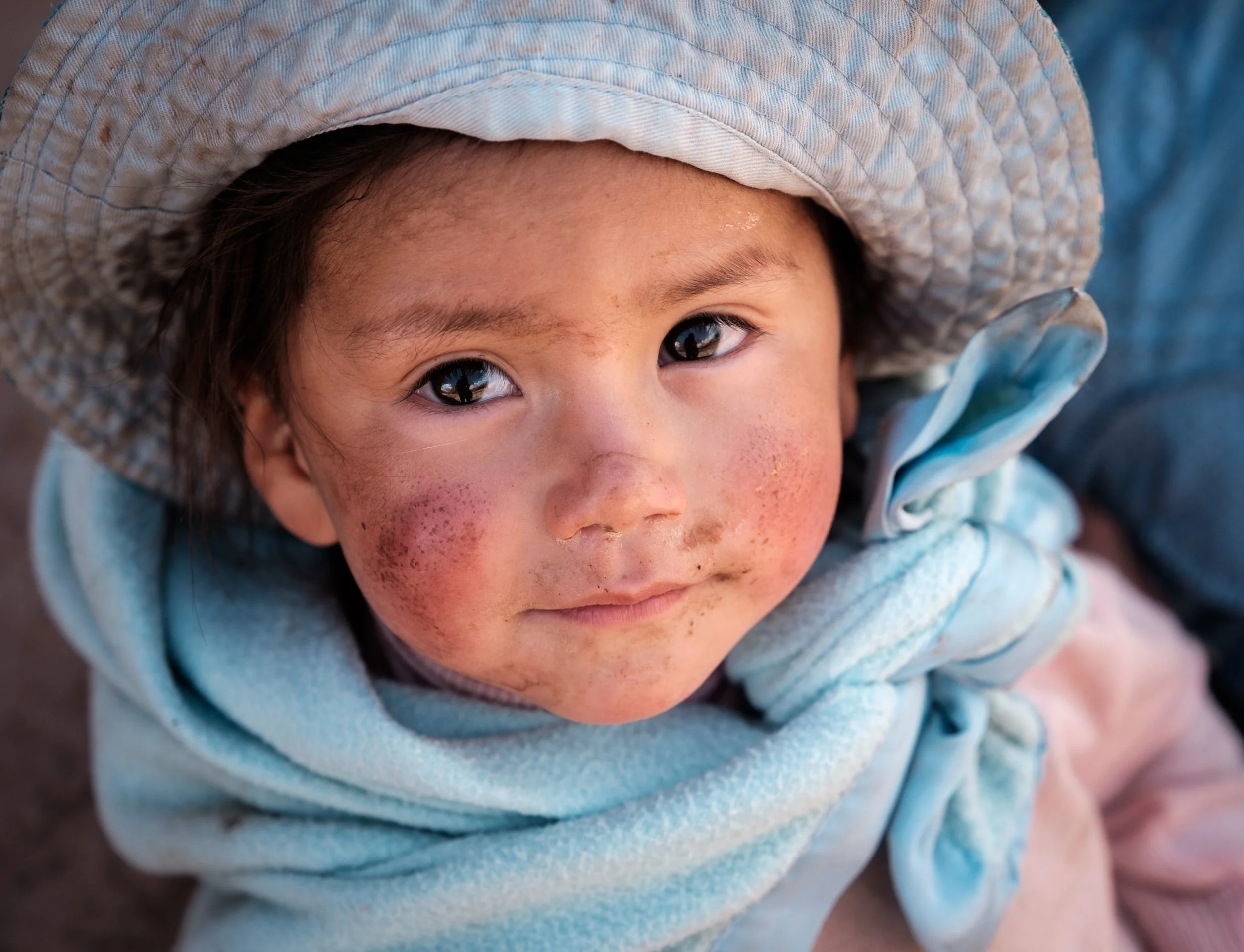
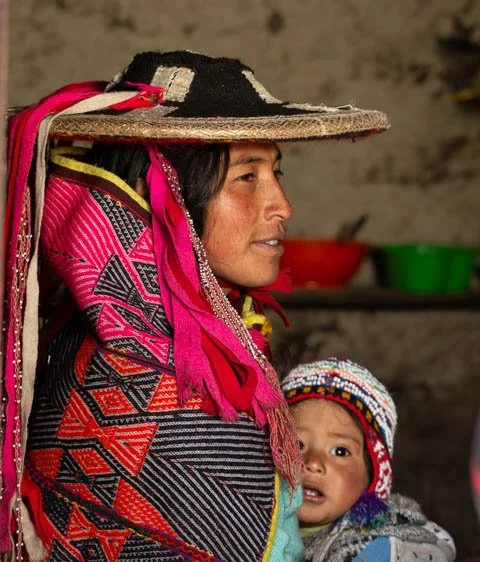
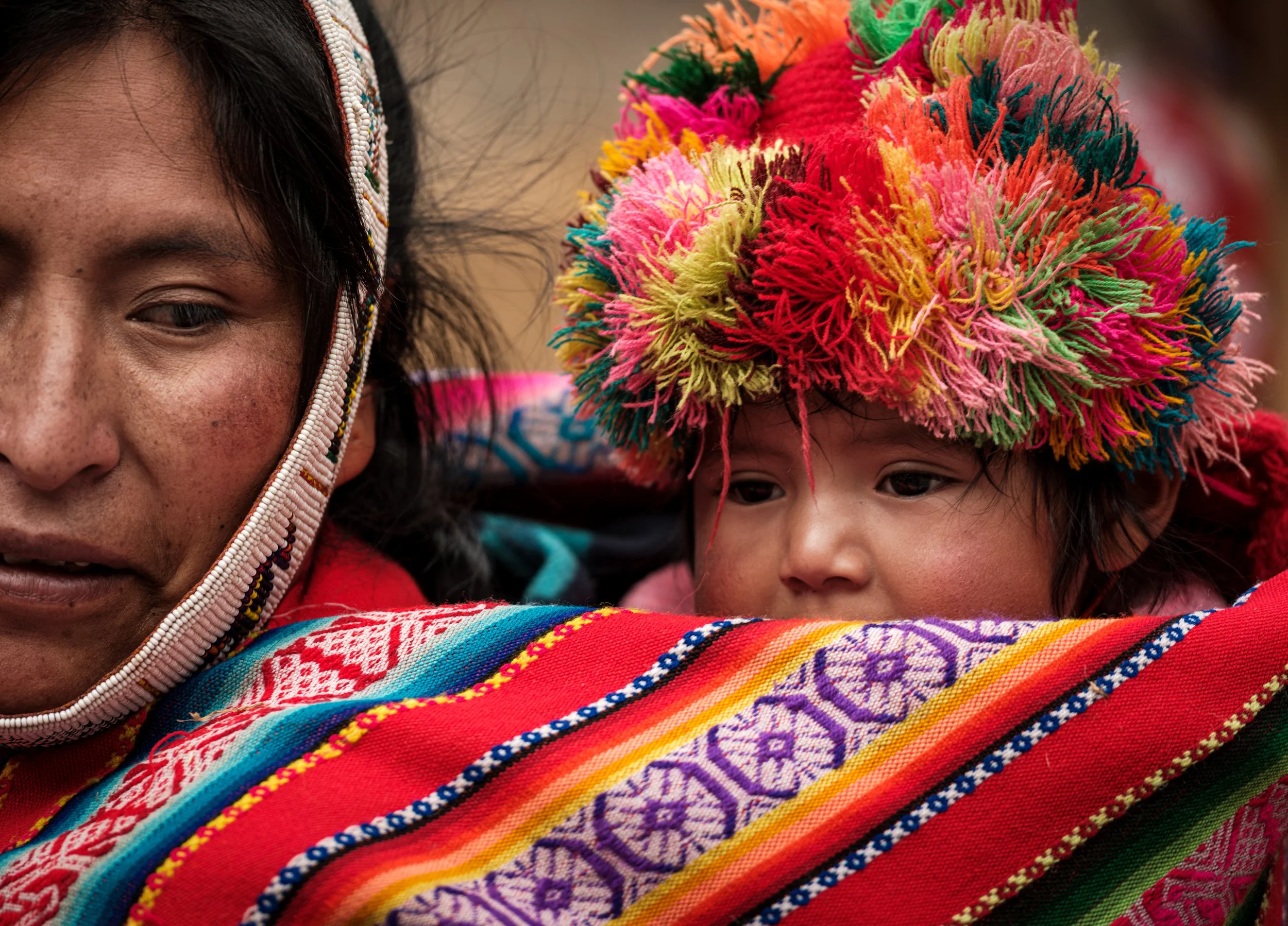
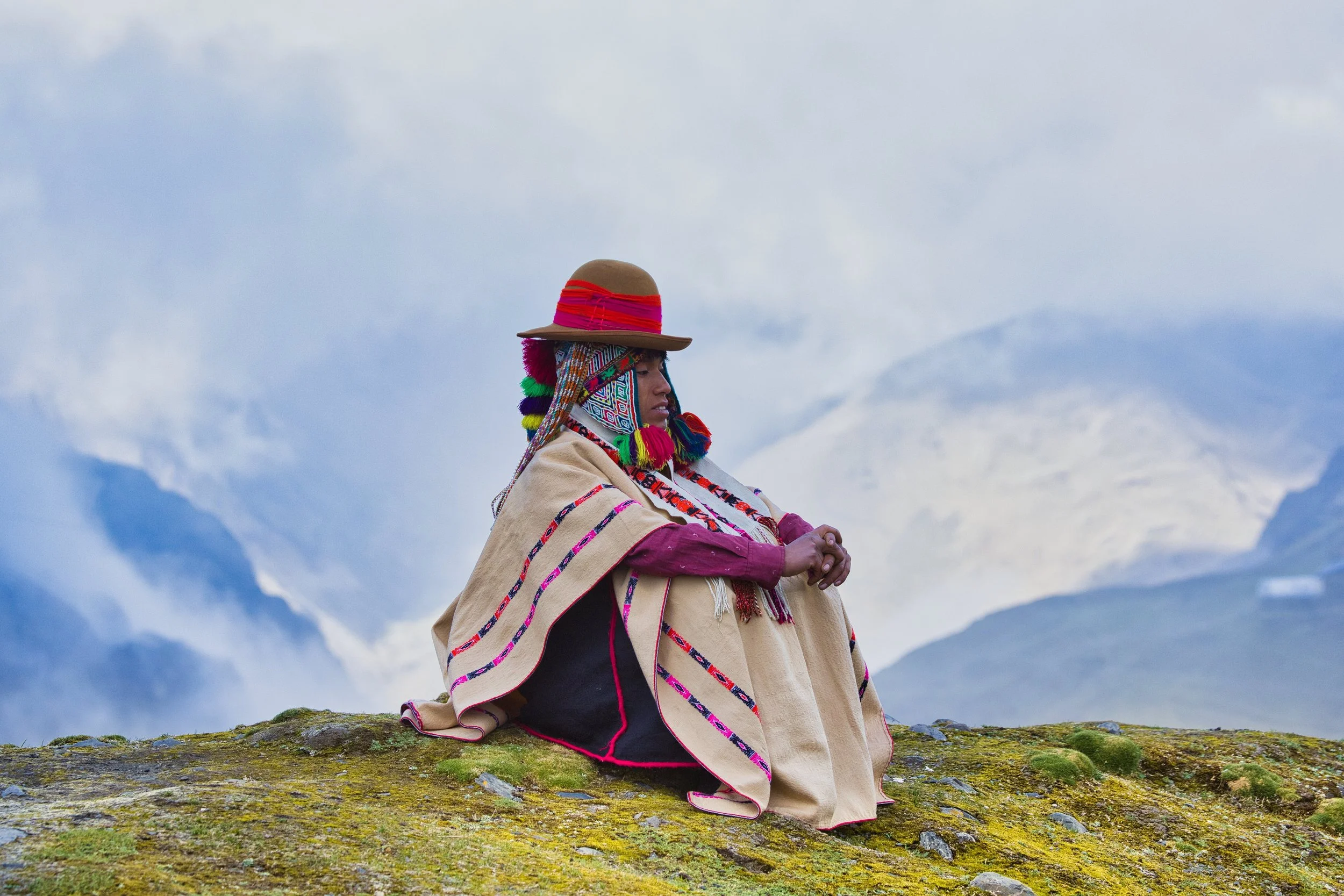
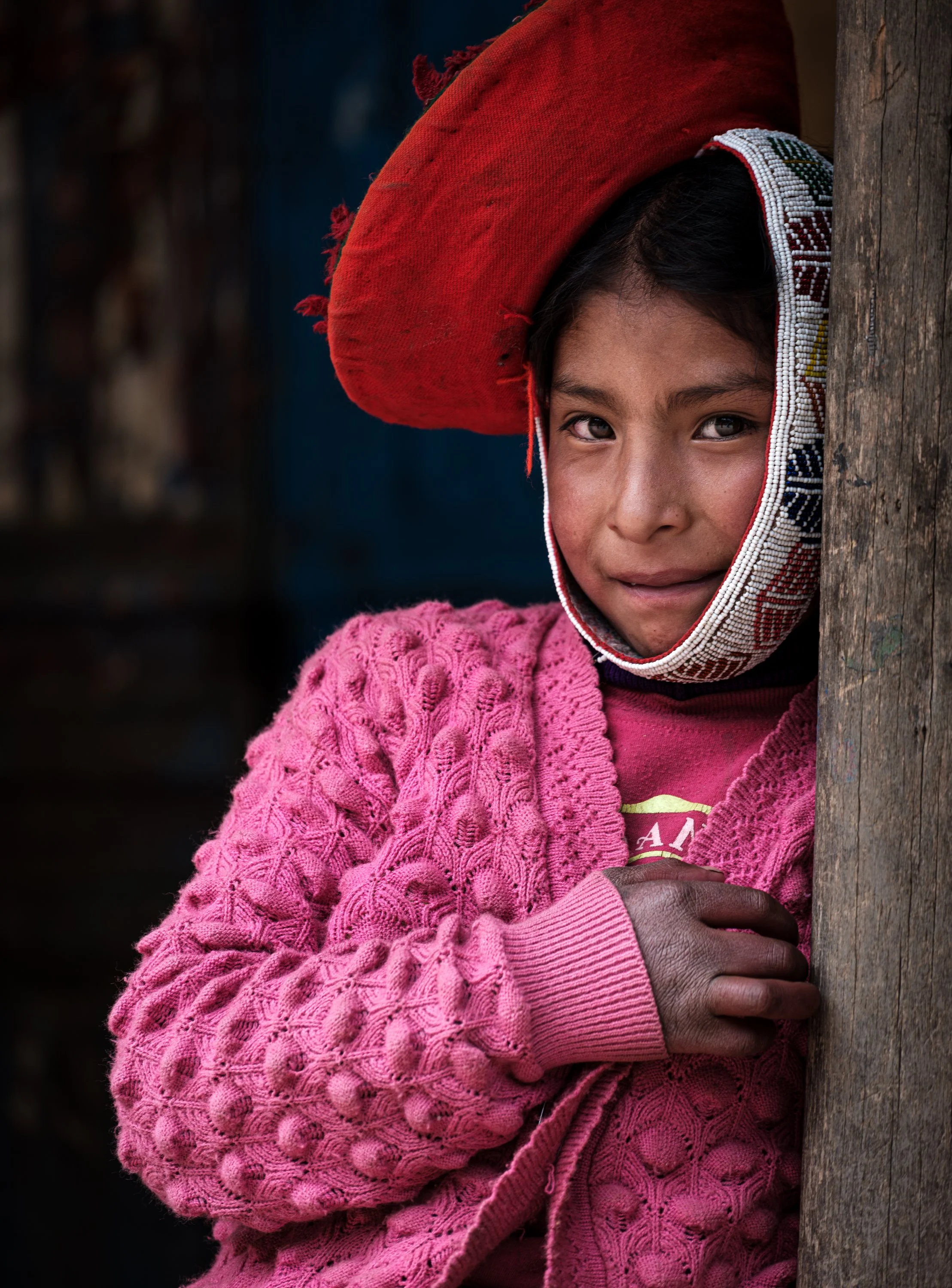
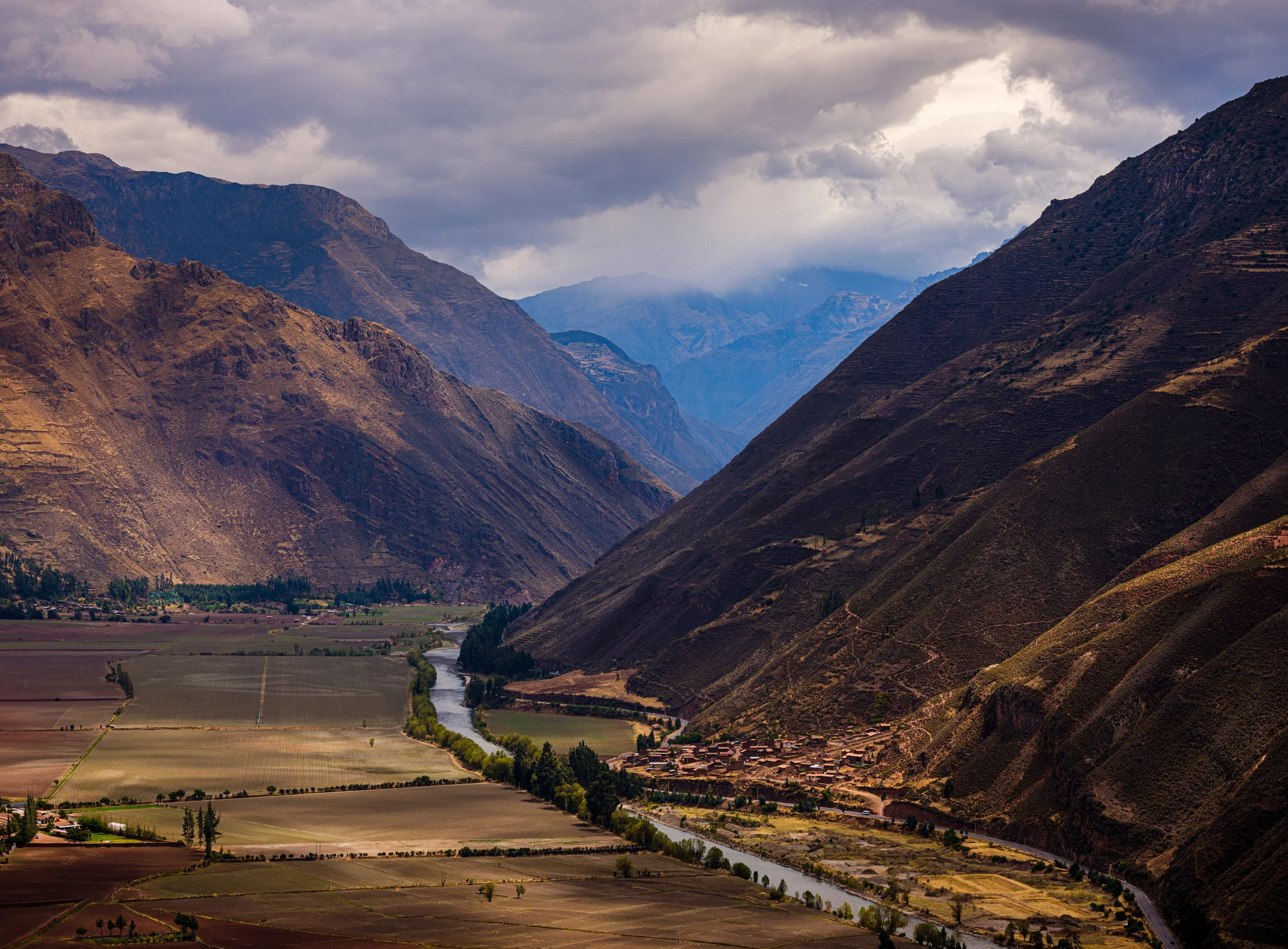
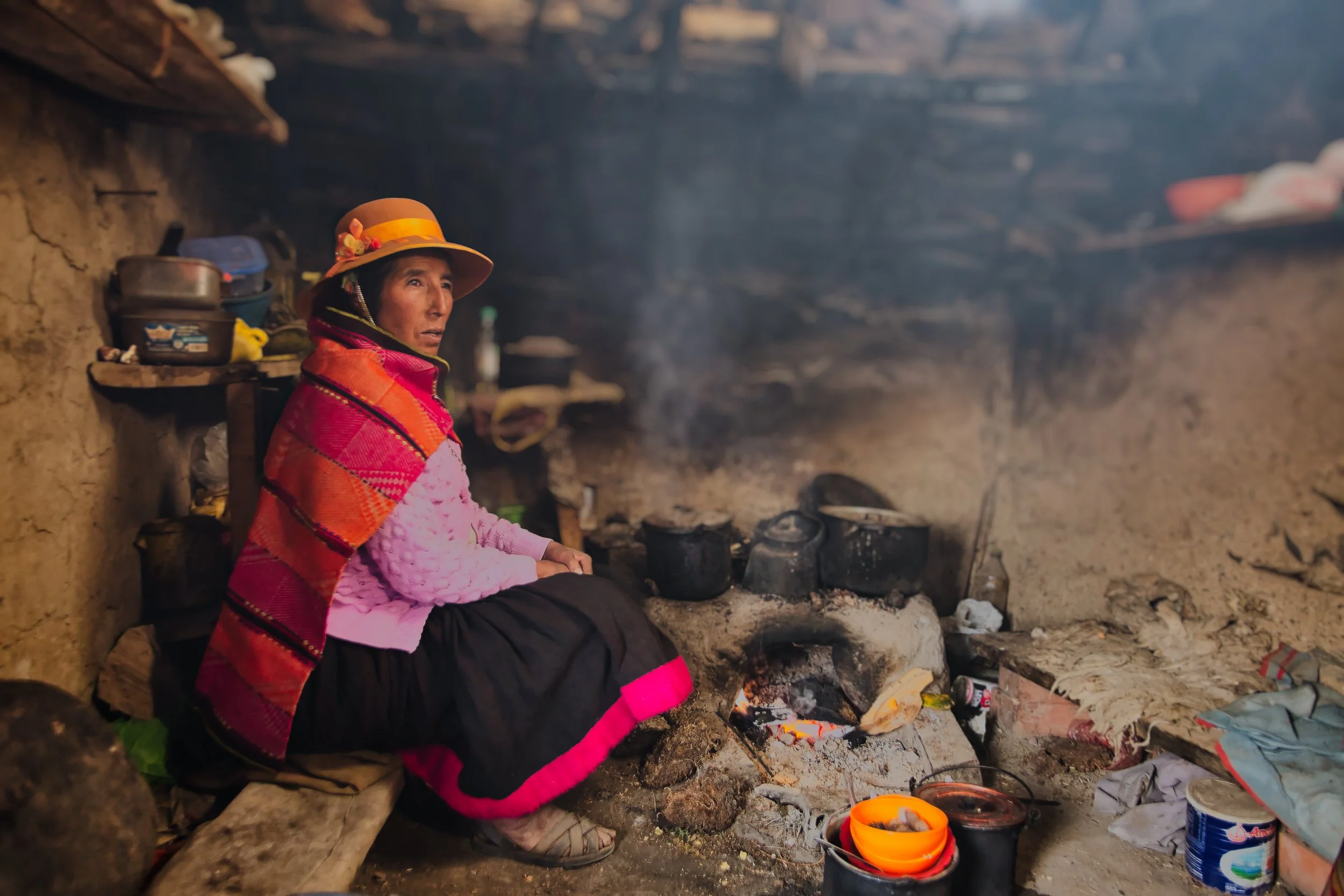
Some examples of what you can photograph in Peru
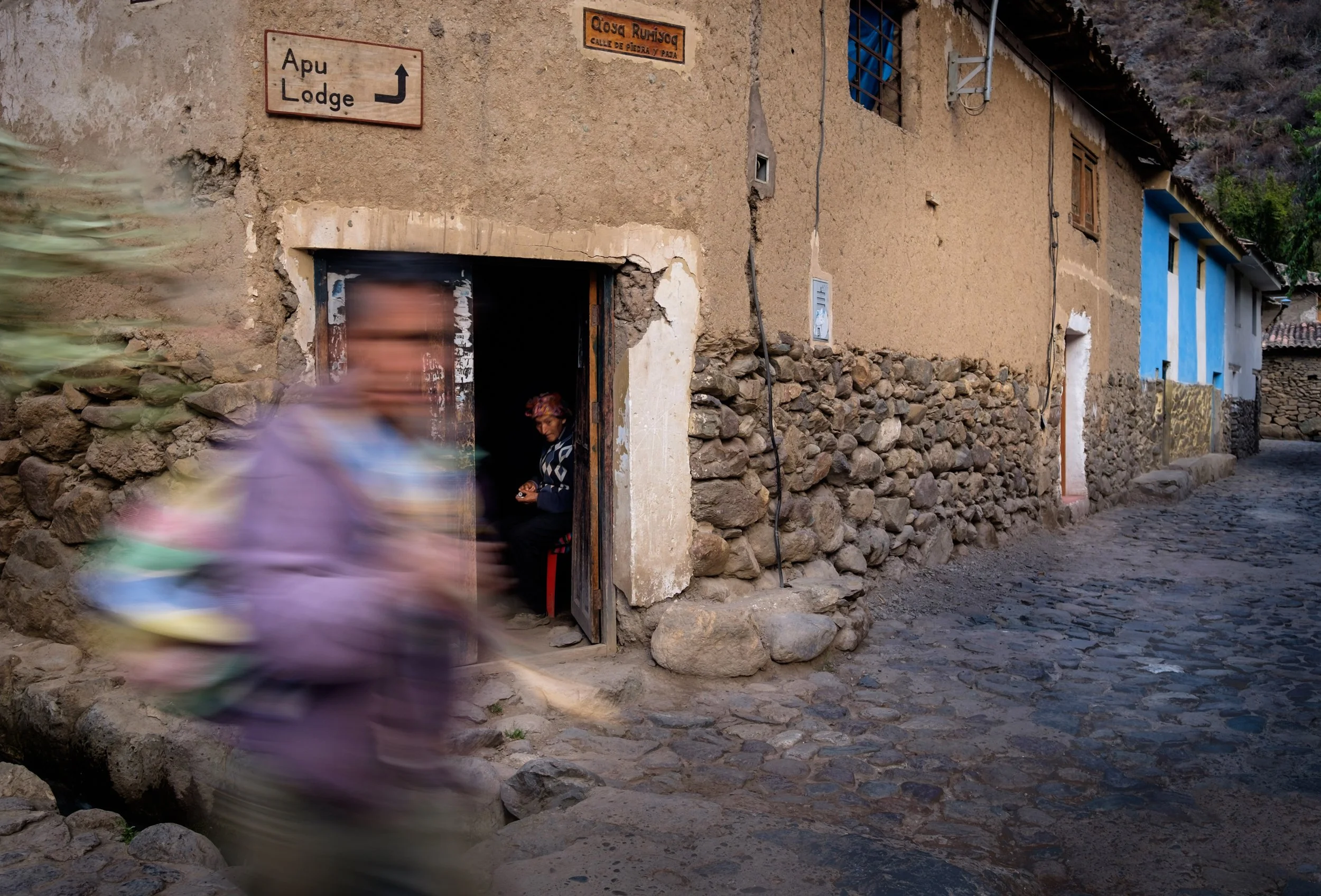
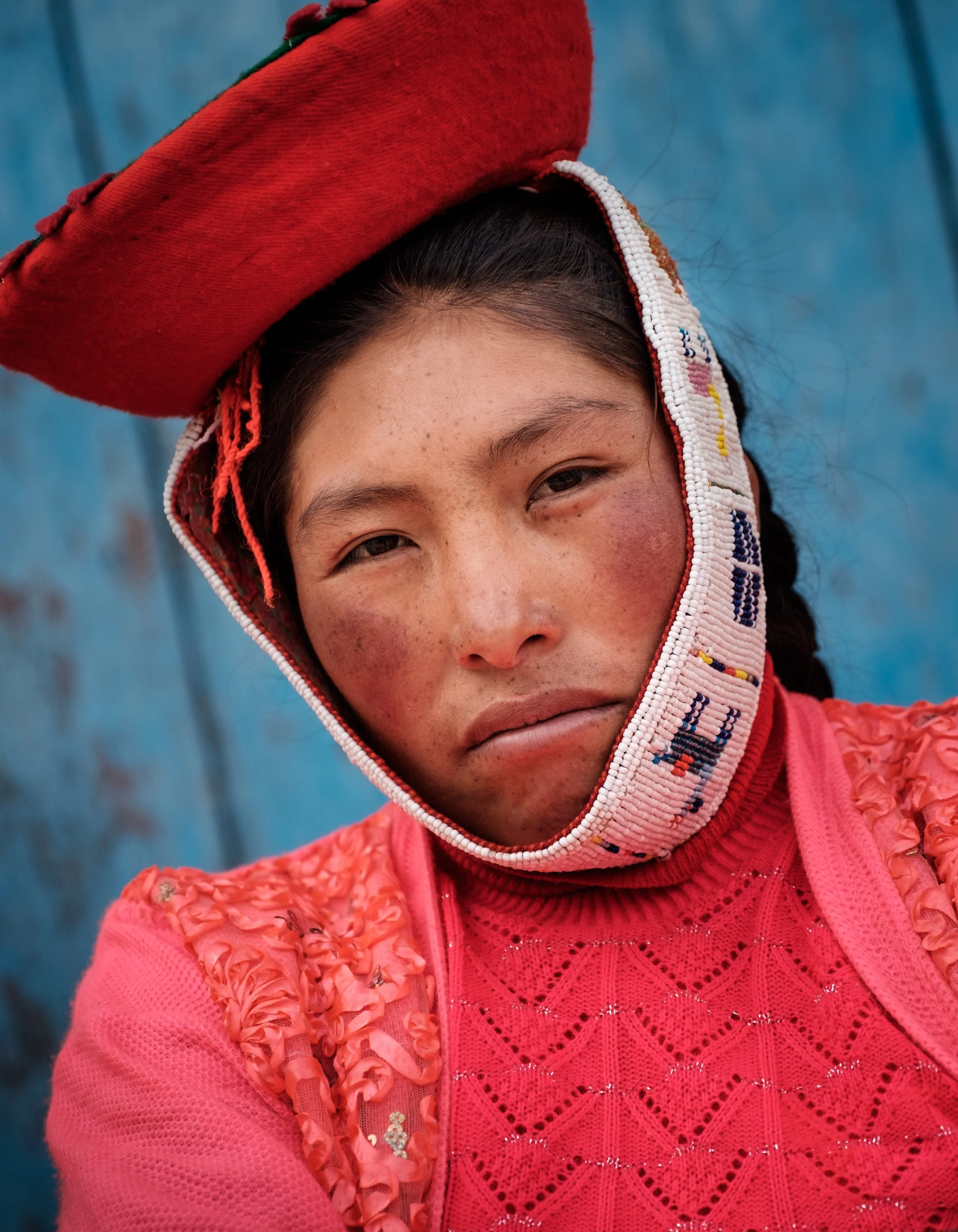
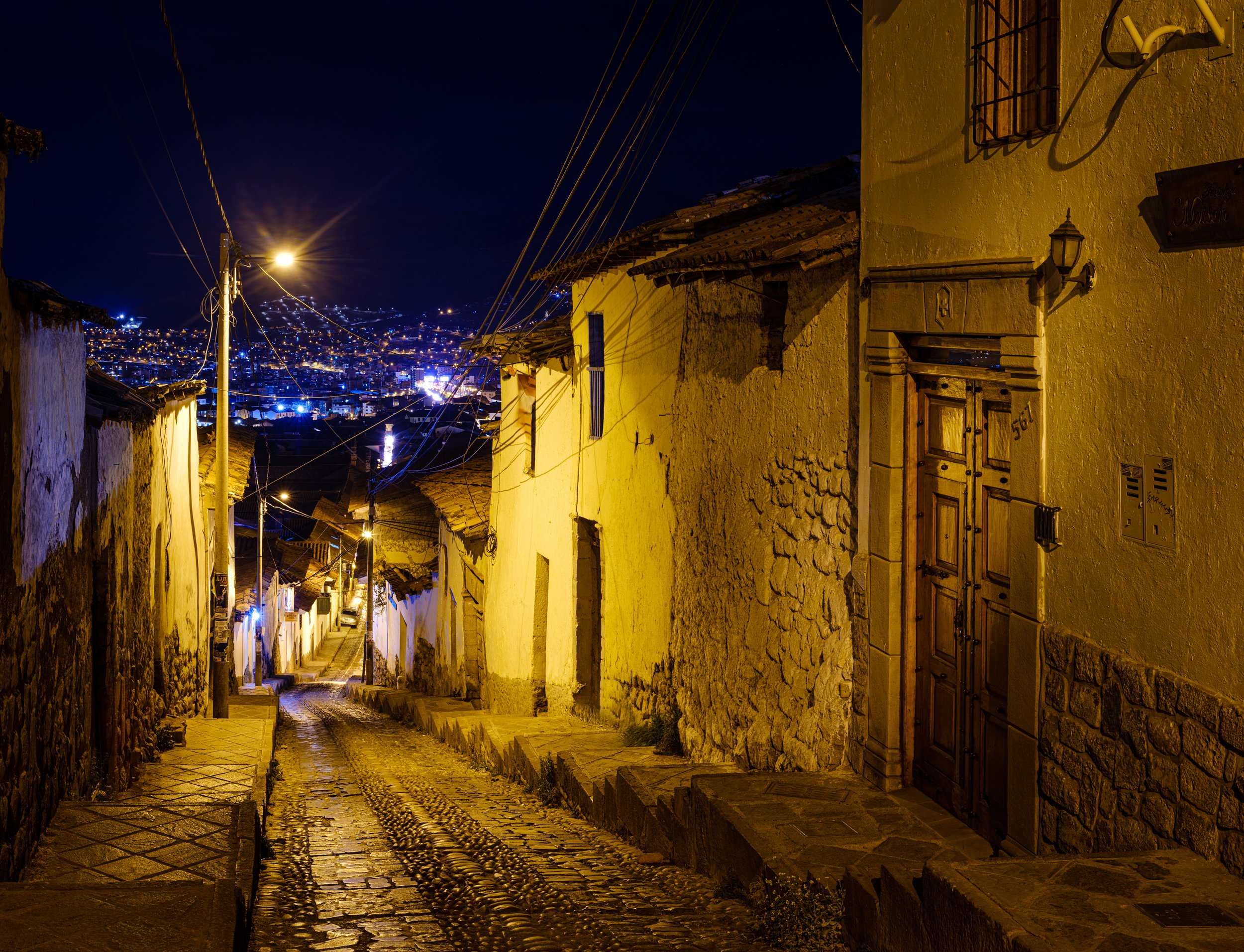
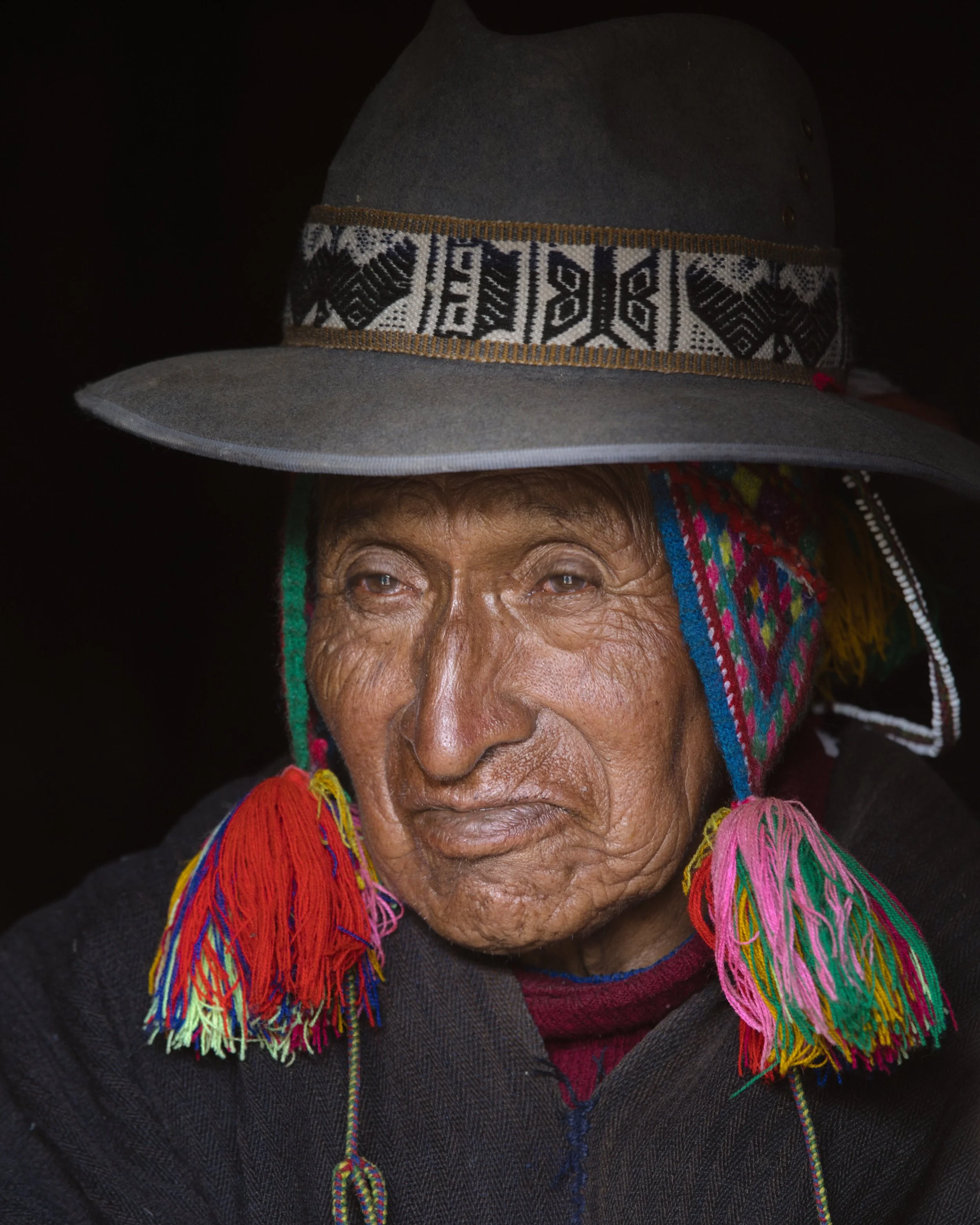
VIEW OUR OTHER PHOTO TOURS
-

VIETNAM
-
JAPAN
-

MOROCCO